


1.4K
By Daniel Adaji
The Economic and Financial Crimes Commission (EFCC) has launched a probe into the role of banks and fintech companies in two large-scale fraudulent schemes that drained N18.739 billion from thousands of Nigerians, raising fresh concerns about weak oversight within the country’s financial system.
The Commission raised the alarm in Abuja on Thursday, accusing one new-generation bank and six fintech and microfinance banks of negligence and compromise that enabled fraudsters to operate unchecked.
EFCC officials said the schemes involved a deceptive airline discount fraud and a bogus investment operation, both of which exploited gaps in customer due diligence and monitoring.
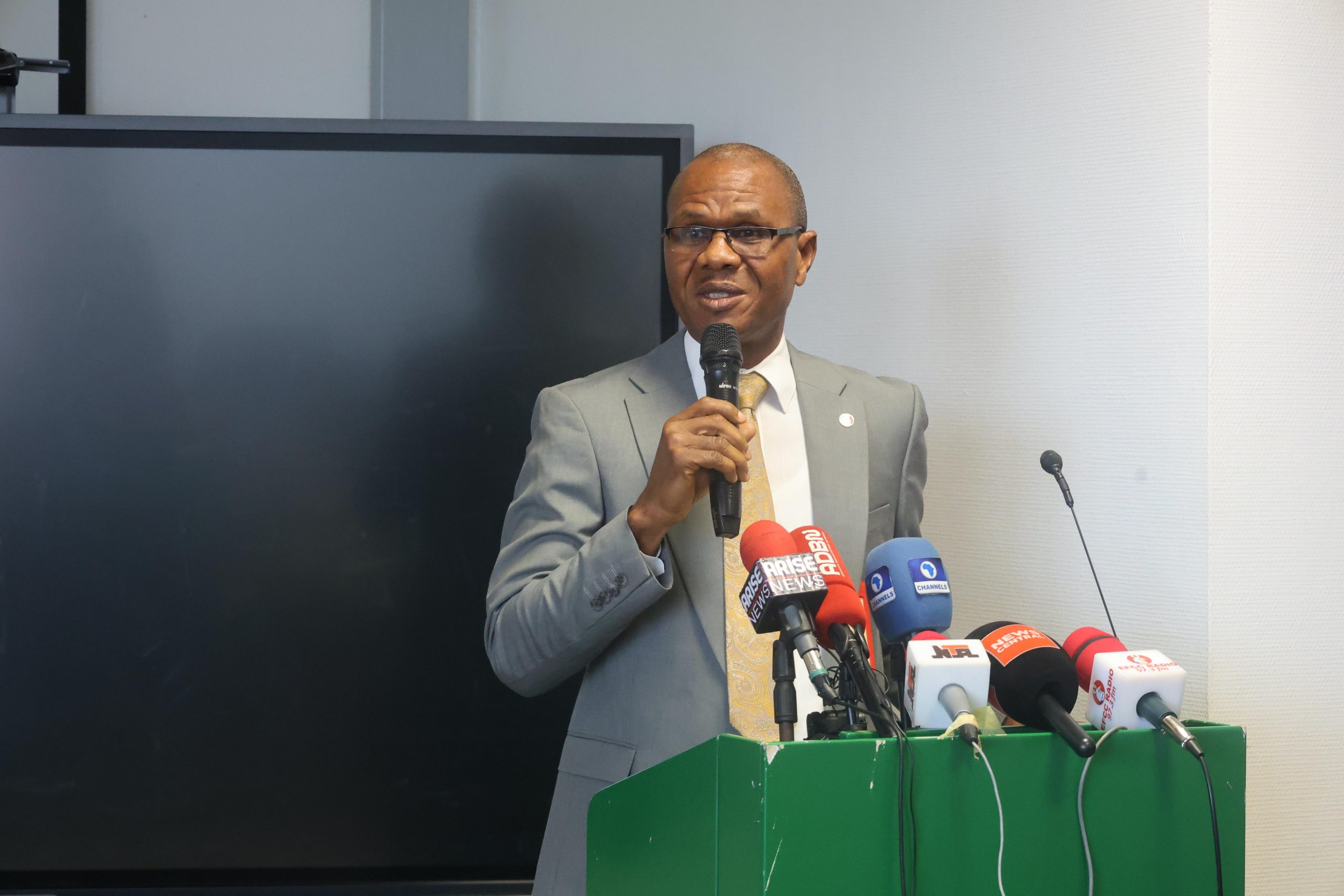
Addressing journalists in Abuja, the EFCC’s Director of Public Affairs, Commander of the EFCC, CE Wilson Uwujaren, said the Commission uncovered “two separate schemes being employed by fraudsters to scam Nigerians,” with financial institutions playing critical facilitating roles.
According to him, the first scheme targeted unsuspecting travelers through a fake airline ticket discount offer. He explained the method in detail, saying, “The modality of these fraudsters, involves a string of carefully devised airline discount information that any unsuspecting foreign traveler will fall for. What they do is to advertise a discount system in the purchase of flight tickets of a particular foreign carrier.
The payment module is designed in such a way that their victims would be convinced that the payment is actually made into the account of the airline. No sooner the payment is made than the passenger’s entire funds in his bank account are emptied”.
Uwujaren disclosed that over 700 victims lost a total of N651,097,755 to the airline discount scam. While the EFCC managed to recover and return N33,628,000 to some victims, he warned that the fraud remains active, noting that foreign actors behind it are converting stolen funds into cryptocurrency and moving them through Bybit to safer destinations.
The second and far more extensive scheme involved Fred and Farid Investment Limited, also known as FF Investment, which lured Nigerians with false investment promises. Uwujaren said more than 200,000 victims were affected, with N18,088,901,272.35 funneled through nine companies offering various fake investment packages.
In all, he revealed that more than 900 Nigerians were fleeced through the direct connivance of banks. He added that foreign nationals masterminded the operations, working with three Nigerian accomplices who have now been arrested and charged to court.
Further details of the financial institutions’ involvement were provided by Abdulkarim Chukkol, Director of Investigations, and Michael Wetcas, Acting Director of the EFCC’s Abuja Zonal Directorate. They said investigations showed deliberate breaches of banking procedures that allowed criminal proceeds to be laundered and moved offshore.
According to them, “a new generation bank and six Fintechs and Micro Finance Banks are involved in this. The financial institutions clearly compromised banking procedures and allowed the fraudsters to safely change their proceeds into digital assets and move into safe destinations.”
They disclosed that “A total sum of N18, 739, 999, 027. 35k had been moved through our financial system without due diligence of customers by the banks.”
Even more troubling, EFCC investigations found that cryptocurrency transactions worth N162 billion passed through a single new-generation bank without proper checks. In one extreme case, a single customer reportedly operated 960 accounts in the bank, all allegedly used for fraudulent activities.
The EFCC called on financial regulators to enforce strict compliance with Know Your Customer (KYC), Customer Due Diligence (CDD) and Suspicious Transaction Reports (STRs) requirements. It warned that any deposit money bank, fintech or microfinance bank found aiding fraudsters should be suspended and referred for prosecution.
The Commission stressed that negligence and failure to monitor suspicious or structured transactions “would no longer be allowed,” assuring Nigerians that it would intensify efforts against money laundering and financial crimes.
Uwujaren also urged financial institutions to strengthen their internal controls, warning that continued lapses would further expose the economy to “leakages and compromises bleeding the economy.”
The EFCC reaffirmed its commitment to protecting the integrity of Nigeria’s financial system and holding complicit institutions accountable as investigations continue.