


958
By Lizzy Chirkpi
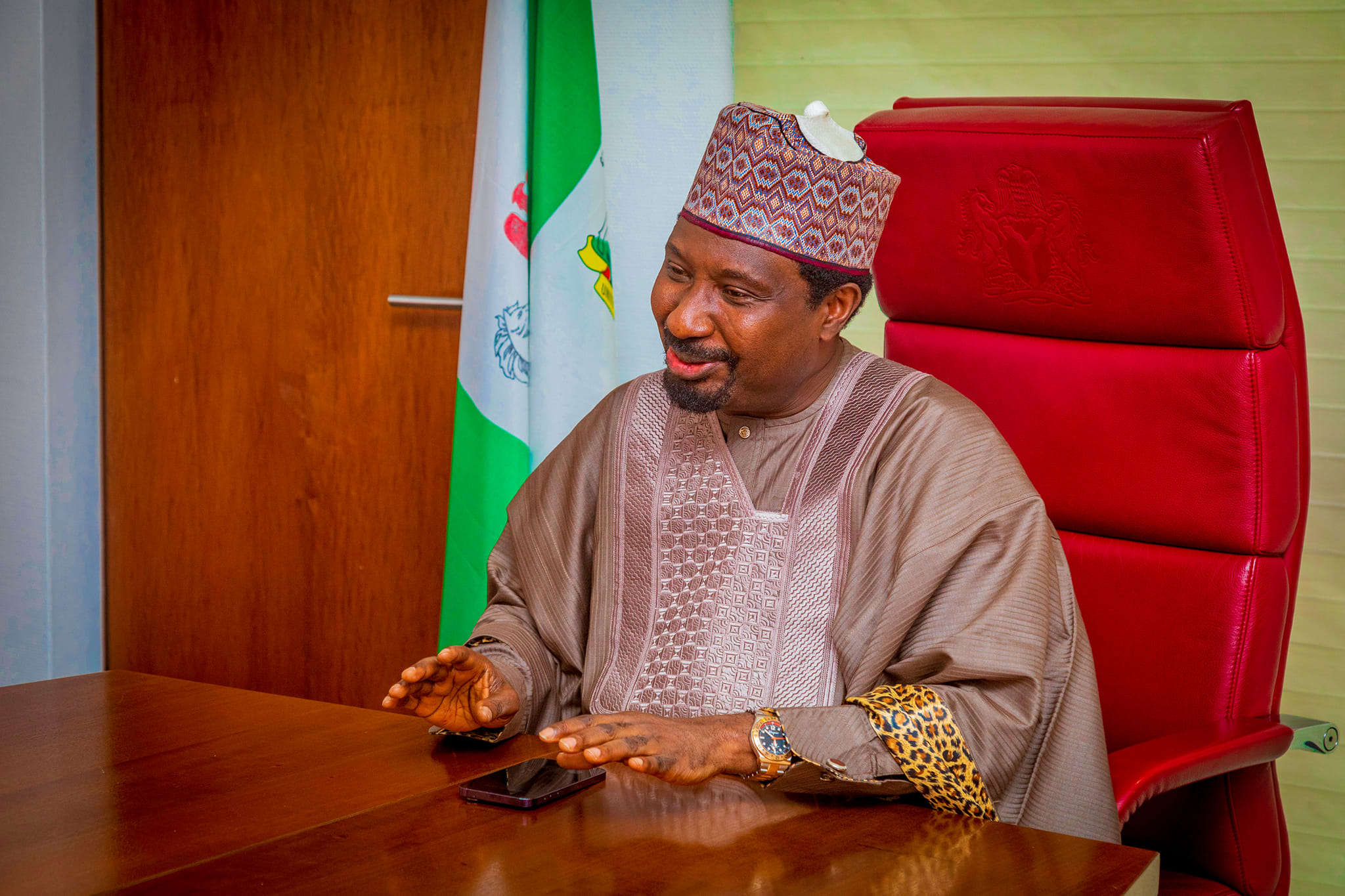
The Deputy Senate President, Barau Jibrin, has called for urgent reforms in power supply, infrastructure and regional payment systems to unlock trade and industrial growth within the Economic Community of West African States (ECOWAS).
Speaking in an interview on regional economic integration on Tuesday, Jibrin said unreliable electricity remains the single biggest obstacle to industrialisation and global competitiveness in West Africa.
“Aside every other issue, power and energy must be addressed,” he said. “Without stable electricity, it becomes very difficult for goods produced here in West Africa to be competitive in the global market. That is key.”
According to him, governments at the national level must find lasting solutions to energy challenges, while West African countries should adopt an interconnected regional approach to power generation and distribution.
“If we get power right, we are on the path to prosperity. We are on the path to industrialisation,” he added.
Barau expressed concern that Africa, particularly the ECOWAS sub-region, trades more with external partners than among its own member states. He noted that intra-ECOWAS trade remains significantly low, hovering around 11 per cent, despite recent marginal improvements.
“It ought not to be so,” he said, attributing the weak trade figures to poor infrastructure and bureaucratic bottlenecks across borders.
He cited the example of trade corridors that are meant to facilitate seamless movement of goods but remain inefficient. According to him, trucks often spend up to 14 hours at border posts waiting for clearance — delays that undermine competitiveness.
“The time you use to get your goods into Europe, you are still stuck at an African border. Red tape is affecting movement of goods and services,” he said.
On the long debated ECOWAS single currency, Barau suggested that the region may need to rethink its approach. While acknowledging the importance of currency convergence, he argued that digital payment platforms could offer a more practical and immediate solution.
“Instead of struggling over whose head will be on the common currency, it is time to think about digital payment platforms,” he said.
He explained that adopting regional digital payment systems would significantly cut transaction costs, particularly dollar-denominated charges, which he said currently cost the ECOWAS region an estimated $5 billion annually.
“Most of the transactions anchored on digital platforms will be done in local currencies. That will save us huge costs and strengthen trade,” he stated.
Responding to concerns that digital payment systems might sidestep the challenge of high inflation rates across the region a key hurdle to achieving a single currency. Barau insisted that increased intra-African trade would naturally ease inflationary pressures.
“If we trade more among ourselves and stimulate production, inflation will drop,” he said.
The lawmaker also advocated a shift from exporting raw materials to promoting value addition through local processing and manufacturing.
Using cocoa as an example, he noted that while countries like Nigeria and Ghana produce cocoa, trading the raw commodity among themselves offers limited economic value.
“We should bring technology and capital closer to our cocoa farms and turn them into chocolate factories,” he said. “What we export should be chocolate, not cocoa.”
He made a similar case for lithium, arguing that instead of exporting raw minerals, African countries should invest in battery manufacturing.
“If I convert my lithium mines into battery factories, I can export batteries instead of raw lithium,” he explained. “Instead of waiting for China or Europe to send finished products to us, we should produce them ourselves.”
According to him, such industrial expansion would create jobs, boost productivity, reduce import dependence and ultimately stabilise prices.
“There is a lot to gain if we start trading more with ourselves, reduce importation and encourage production,” the Kano lawmaker said.
He stressed that for regional agreements to move beyond “paper diplomacy,” ECOWAS leaders must prioritise infrastructure development, streamline border processes and modernise payment systems.
“Let us fix infrastructure. Let us fix the payment system. Trade will boom in ECOWAS,” he concluded.