


507
By Oscar Okhifo
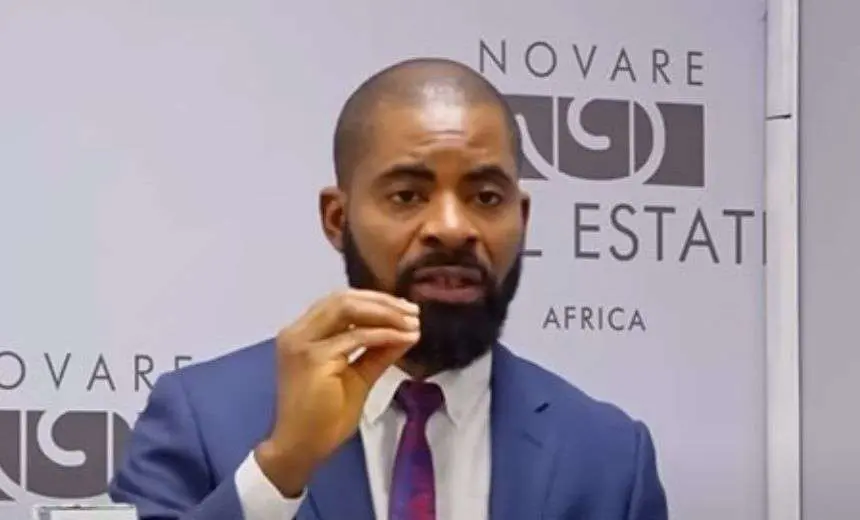
Human rights activist and political commentator, Deji Adeyanju, has raised the alarm over the growing menace of vote buying in Nigeria, saying citizens appear more interested in winning elections than confronting the deeper problems threatening the country’s democracy.
Reacting to the outcome of the Osun State governorship election, Adeyanju said Governor Ademola Adeleke, despite his “extreme popularity” in the state, must have spent substantial sums of money to secure victory.
He, however, alleged that the All Progressives Congress (APC) spent even more during the election and also engaged in what he described as rigging.
“I am sure Adeleke spent a lot of money despite his extreme popularity in Osun but APC spent much more + all the rigging of APC,” Adeyanju said.
The activist then raised a fundamental question that has continued to trouble many Nigerians:
“How do we stop vote buying in Nigeria?”
Adeyanju said the problem was not simply about which political party won an election, but about the failure of citizens to demand solutions to practices capable of undermining democracy.
“Nigeria is messed up big time but the citizens are not asking the right questions or interested in solutions. They just care about winning of elections,” he said.
Adeyanju, however, is not alone in expressing concern over the menace.
Award-winning journalist and Director of News at Television Continental (TVC), Babajide Otitoju, has repeatedly lamented the spread of vote buying, describing it as the new face of electoral malpractice in Nigeria.
Otitoju observed that reforms introduced into the electoral process over the years had made some traditional forms of election rigging, such as ballot-box snatching and reckless thumb-printing, increasingly difficult.
“Snatching of ballot boxes and reckless thumb-printing is no longer fashionable because of the reforms over the years. What has become very prevalent is vote buying,” he said.
According to him, politicians across the political divide cannot claim innocence in the practice.
“None of them is a saint. They are all involved in the menace. Nigerians are so hungry and poor that they can’t resist the few coins,” Otitoju said.
He further alleged that politicians deliberately set aside huge sums of money for the purpose of influencing voters, adding that the practice does not begin or end on election day.
“Politicians stash money just to buy votes and they do it not just in days of elections. Their negotiations and payment no longer happen only on days of elections. They visit people in their houses, negotiate and pay. Sometimes, they go extra weird in their desperation to extract commitment. I really don’t know when and how it will end. It is very worrisome,” he said.
The concerns raised by both Adeyanju and Otitoju have reignited debate over the effectiveness of Nigeria’s electoral safeguards, particularly the deployment of thousands of security personnel and officials of anti-graft agencies during elections.
Nigerians have continued to wonder why vote buying and what has increasingly become known as “vote trading” appear to have become entrenched despite the massive deployment of policemen, operatives of the Economic and Financial Crimes Commission (EFCC) and other security and enforcement personnel on election days.
The paradox is particularly striking: while security agencies are deployed to polling units and election hotspots to prevent intimidation, violence and other forms of malpractice, the exchange of cash for votes can take place discreetly, making it difficult to detect and prosecute.
The situation also raises questions about the role of poverty in sustaining the practice. For voters struggling with severe economic hardship, the immediate promise of cash can sometimes appear more tangible than the long-term consequences of electing leaders based on financial inducement.
But critics argue that the practice creates a vicious cycle. Politicians who spend heavily to buy votes may subsequently feel compelled to recover their investments through corruption, inflated contracts, patronage and other abuses of public office.
The result, they contend, is an electoral system in which poverty helps to facilitate vote buying, while poor governance subsequently deepens poverty.
The question therefore remains whether Nigeria can break the cycle by combining stronger enforcement with political and economic reforms capable of reducing the desperation that makes voters vulnerable to inducement.
For Adeyanju and Otitoju, the issue goes beyond the victory or defeat of any particular candidate. It is about whether Nigerians can build an electoral culture in which votes are freely given, elections are genuinely competitive and political power is won through ideas, competence and public trust rather than financial inducement.
Until that happens, the growing concern is that Nigerians may continue celebrating who won elections while paying insufficient attention to the more important question of how those victories were secured.