


By Lizzy Chirkpi
African regional parliamentary institutions are moving towards a common front on some of the continent’s most pressing challenges, including insecurity, migration, climate change and economic integration.
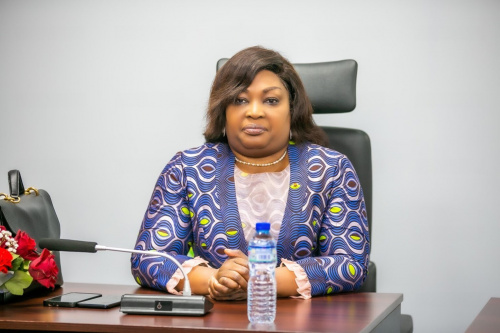
The initiative followed a three-day working visit by the Speaker of the ECOWAS Parliament, Rt. Hon. Hadja Memounatou Ibrahima, to the East African Community (EAC) headquarters in Arusha, Tanzania, where she held discussions with the leadership of the East African Legislative Assembly (EALA).
During the engagement, a proposal for the establishment of a Network of Regional and Supranational Parliamentary Institutions was presented. The proposed network could bring together EALA, the ECOWAS Parliament and the Pan-African Parliament, among other regional and continental legislative bodies.
The network is expected to provide a structured platform for African legislators to share knowledge, coordinate positions and develop collective responses to challenges that increasingly transcend national and regional borders.
According to the concept note, the initiative will focus on four key areas.
The first is institutional cooperation, through enhanced “knowledge-sharing on legislation, digital transformation, and governance across regions.”
The second is the development of a unified global voice, with participating institutions expected to align their positions and strategies in multilateral forums “to speak with one African voice.”
The third pillar focuses on global challenges, particularly “climate change, migration, peace, security, and economic integration.”
The fourth is rotational leadership, with the proposed governance framework providing for “rotational leadership and biannual sessions to ensure fairness and continuity.”
The initiative comes as African countries continue to grapple with security threats, population displacement, climate pressures and economic challenges whose effects frequently extend beyond individual national jurisdictions.
Its proponents believe stronger cooperation among regional parliamentary institutions could complement existing diplomatic and governmental efforts by creating a dedicated mechanism for legislative coordination, knowledge exchange and collective oversight.
The ECOWAS Parliament stressed that the scale and interconnected nature of Africa’s challenges make isolated institutional responses inadequate.
“No parliamentary institution, regardless of its strength or experience, can effectively address these challenges alone,” the Parliament said.
It called for parliamentary partnerships to move beyond ceremonial engagements and evolve into “permanent mechanisms for political coordination, legislative cooperation, knowledge sharing and collective oversight of continental commitments.”
The proposed network could therefore serve as a bridge among parliamentary institutions across Africa’s different regions, enabling them to exchange legislative experiences and coordinate positions on issues of continental importance.
The initiative also places parliamentary diplomacy at the centre of efforts to deepen African integration and strengthen the continent’s influence in global affairs.
“The voices of our [people] need to transcend our national borders and this can only be achieved through parliamentary diplomacy,” the ECOWAS Parliament said.
It further described parliamentary diplomacy as “not a substitute but rather an indispensable tool for ensuring a prosperous future of our continent.”
During Ibrahima’s visit, her delegation also held consultations with officials of the EAC Secretariat, the East African Court of Justice and the Pan African Postal Union as part of broader discussions on regional cooperation and integration.
If established, the proposed network would provide African regional and supranational parliaments with a more permanent framework for coordinating positions, exchanging institutional expertise and pursuing common solutions to challenges that transcend borders.
The broader objective is to strengthen Africa’s capacity to speak and act collectively while giving its parliamentary institutions a more influential role in shaping responses to issues that will determine the continent’s future.