


By Tracy Moses
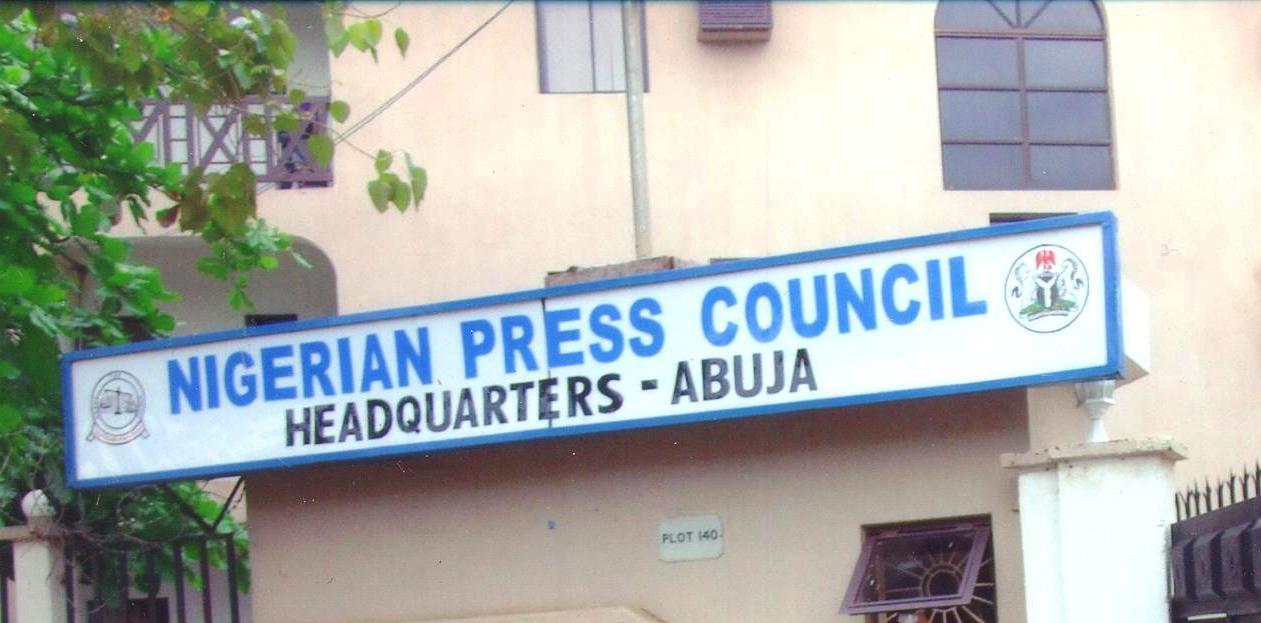
The Nigerian Press Council (NPC) has warned that fake news, misinformation and propaganda pose a growing threat to electoral credibility and democratic participation ahead of the 2027 general election.
The Council called for stronger collaboration among media organisations, policymakers, technology companies and civil society groups to combat false information capable of misleading voters, distorting public debate and undermining confidence in democratic institutions.
The Executive Secretary and Chief Executive Officer of the NPC, Dr Dili Ezughah, raised the concern in Abuja at the Council’s National Summit on Fake News and Excellence in Media Leadership Awards 2026.
Ezughah said the summit was organised to address the growing challenges of misinformation and disinformation, particularly as political activities intensify ahead of the next general election.
He said the Council was seeking to strengthen efforts to identify and counter false information through technological solutions, strategic partnerships and public awareness campaigns.
The initiative, he added, was aimed at ensuring that citizens had access to reliable information to make informed decisions about the electoral process.
Delivering his opening remarks, the Minister of Information and National Orientation, Mohammed Idris, cautioned that efforts to combat fake news must not be used to suppress legitimate journalism, restrict lawful expression or intimidate dissenting voices.
He said press freedom remained indispensable to democracy and must be protected even as government institutions and media organisations stepped up efforts to tackle misinformation.
“As we confront this challenge, we must uphold a fundamental principle. The fight against fake news must never become an excuse to suppress legitimate journalism, silence dissent, or restrict lawful expression. A free press remains indispensable to democracy,” Idris said.
The minister urged stakeholders to ensure that measures against misinformation were guided by evidence, professional responsibility and respect for democratic principles, rather than censorship or the indiscriminate classification of critical reports as fake news.
He stressed that journalists must retain the freedom to investigate issues of public interest, question those in authority and hold public institutions accountable while adhering to professional standards of accuracy, fairness, verification and ethical conduct.
Idris noted that the rapid expansion of digital communication had transformed how information was produced, distributed and consumed, enabling messages to reach large audiences across geographical boundaries within seconds.
While acknowledging the benefits of these technologies, he warned that social media, instant messaging platforms and artificial intelligence had created new avenues for spreading fabricated narratives, manipulated images, deepfake videos and misleading audio recordings.
He said the increasing sophistication of such content made it more difficult for audiences to distinguish credible reports from deliberate falsehoods, placing greater responsibility on journalists and other information providers to verify material before publication.
“Let us build a media environment where truth is valued, accountability is upheld, and falsehoods are challenged with evidence rather than with intimidation. I commend the Nigerian Press Council once again for this timely initiative, and I wish you fruitful deliberations,” the minister said.
Idris expressed hope that the summit would produce practical recommendations to strengthen professional standards, protect press freedom and promote cooperation among stakeholders in tackling misinformation.
The concerns come as digital platforms play an increasingly prominent role in political communication ahead of the 2027 polls. False claims, manipulated audiovisual material and misleading reports can circulate widely before they are verified or corrected, potentially influencing public perceptions of candidates, political parties and electoral institutions.
Misinformation that undermines confidence in electoral procedures or fuels hostility among political supporters can also weaken public trust and threaten peaceful democratic participation.
For journalists, the challenge is to counter falsehoods without compromising the independence and scrutiny expected of a free press. Idris’s remarks placed this responsibility at the centre of efforts to improve the information environment ahead of the election.
The NPC said the summit was designed to strengthen journalists’ professional capacity, encourage ethical reporting and improve the ability of media practitioners and other stakeholders to identify, verify and counter false information.
It also sought to promote cooperation among media professionals, policymakers, lawmakers, private-sector leaders, civil society organisations and development partners in responding to the challenges posed by the changing information landscape.
The programme featured a one-day national capacity-building summit alongside the Excellence in Media Leadership Awards, which recognise contributions to ethical journalism and professional leadership.
According to the Council, the awards form part of its broader efforts to promote professionalism, strengthen media credibility and rebuild public confidence in journalism by recognising individuals and organisations that have contributed to improving media standards.
As preparations for the 2027 general election gather momentum, the NPC’s initiative seeks to strengthen the media’s capacity to counter misinformation while safeguarding the public’s access to credible information.
Achieving these objectives will require sustained cooperation, rigorous fact-checking and a commitment to ensuring that efforts to combat falsehoods strengthen, rather than undermine, press freedom, transparency and accountability.