


By Oscar Okhifo
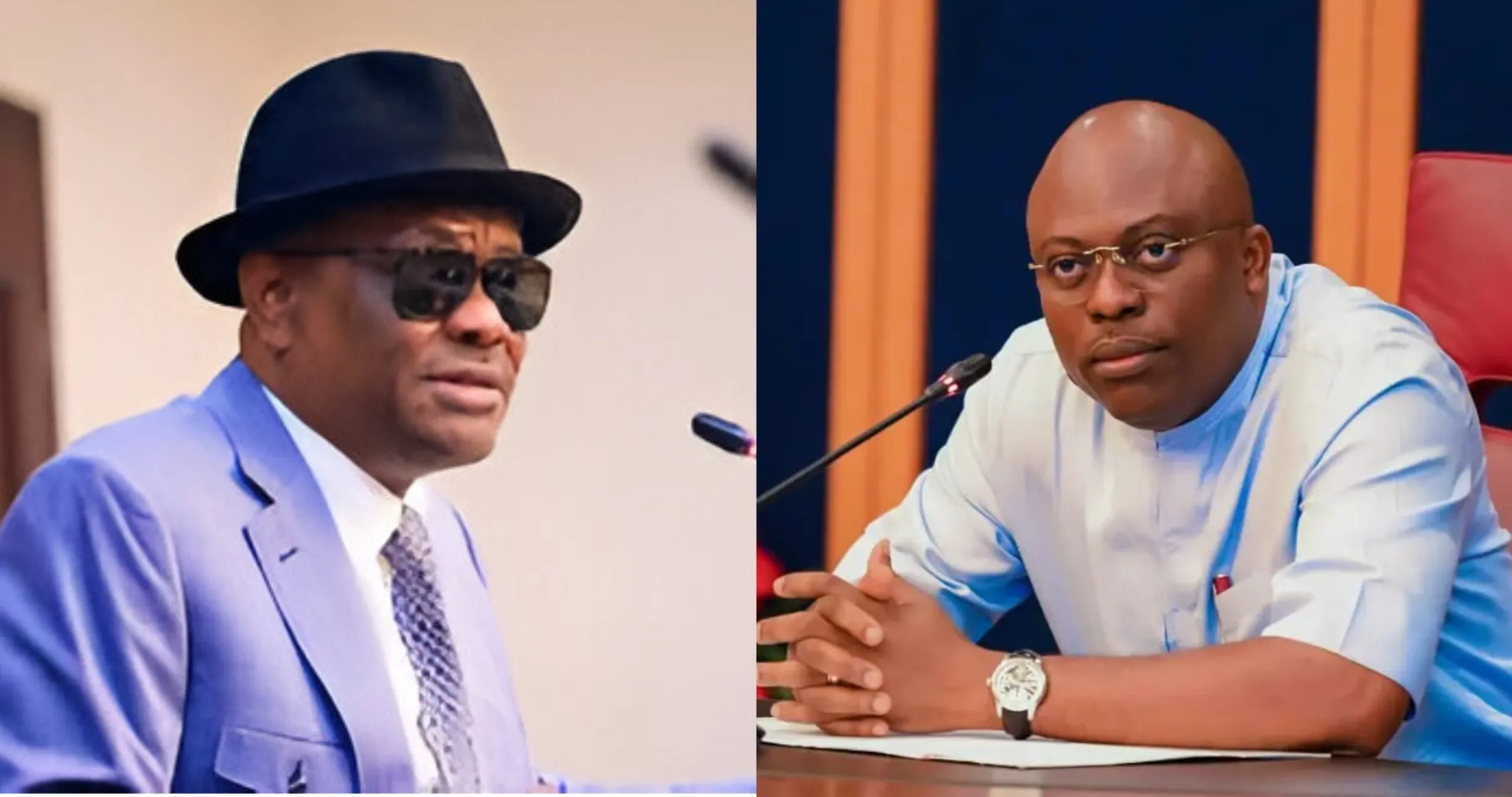
The reinstatement of three lawmakers loyal to Rivers State Governor Siminalayi Fubara has raised fresh questions about the durability of the renewed reconciliation efforts between the governor and his estranged political godfather, Nyesom Wike, Minister of the Federal Capital Territory (FCT).
The Rivers State House of Assembly on Monday rescinded its earlier resolution declaring the seats of Victor Oko-Jumbo (Bonny), Sokari Goodboy Sokari (Ahoada West) and Timothy Oruibienimigha (Opobo/Nkoro) vacant, paving the way for the lawmakers to resume their legislative duties.
The decision came a day after Wike led lawmakers and chairmen of the state’s 23 local government areas to a meeting with Fubara at the governor’s private residence in Port Harcourt, in what appeared to be a renewed effort to ease tensions between the two camps.
Although details of the meeting were not made public, the timing of the Assembly’s decision has drawn attention to the prospects of a broader political settlement in the state, where the protracted feud between Wike and Fubara has repeatedly disrupted political and legislative activities.
The renewed engagement is particularly significant given the history of their confrontation, including disagreements over the governor’s political future and reports of Wike’s opposition to Fubara securing a second-term ticket.
It remains unclear, however, whether the latest meeting produced an agreement on the outstanding issues between the two camps or whether the reinstatement of the lawmakers represents a limited step towards reconciliation.
Questions also remain over whether the peace initiative will accommodate other aggrieved political stakeholders in the state or remain largely confined to the principal actors and their immediate allies.
The three lawmakers had remained absent from legislative sittings despite the lifting of their suspension in December 2023, following an earlier peace initiative facilitated by President Bola Tinubu.
Their continued absence subsequently prompted the Assembly to declare their seats vacant and notify the Independent National Electoral Commission (INEC) of its decision to conduct by-elections to fill the constituencies.
At Monday’s plenary, Speaker Martin Amaewhule read separate letters of appeal dated October 16, 2026, in which the lawmakers apologised for their absence, explaining that they had not received official correspondence notifying them that their suspension had been lifted.
According to a statement by Martins Wachukwu, the Speaker’s media aide, Amaewhule acknowledged the explanation offered by the lawmakers.
“The point to note is that investigation has shown that they may not have received the correspondence as claimed,” the Speaker was quoted as saying.
Following deliberations, the Assembly voted to rescind its earlier resolution declaring the seats vacant, allowing the three lawmakers to return to the legislature.
The development marks another turn in the political crisis that erupted in 2023, when disagreements between Fubara and Wike escalated into a struggle for control of the state’s political structures and legislature.
The feud split lawmakers into rival camps and culminated in President Tinubu’s declaration of a state of emergency in Rivers State in March 2025.
The governor, his deputy and members of the state legislature were suspended for six months, while retired Vice Admiral Ibok-Ete Ibas was appointed sole administrator.
The elected officials returned to their positions after the emergency rule ended in September 2025, but the underlying political tensions persisted.
The latest reconciliation effort therefore faces the challenge of resolving not only the immediate disagreements between Wike and Fubara but also the grievances of other political actors affected by the prolonged crisis.
Whether Wike will broaden the engagement to accommodate more of those stakeholders, and whether the two camps are prepared to make the concessions required for a lasting settlement, remain open questions.
For now, the reinstatement of the three lawmakers offers a tangible sign of movement towards reconciliation. Whether it will lead to a broader and more durable political settlement in Rivers State remains to be seen.