


551
By Tracy Moses
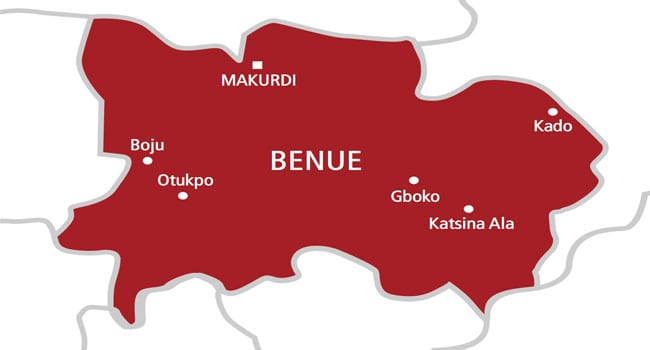
Benue State is set to pilot a State Strategic Food Security Plan in three local government areas as part of efforts to strengthen food security, climate resilience, and peace building across the state.
The initiative is being driven by the Nigeria Food Security Project (NFSP) through its Supply Chain Research and Innovation Hub (SCRIH) under the SPRiNG Project. It is designed as a three-month pilot programme to be implemented in Agatu, Logo, and Gwer-West Local Government Areas.
The Project Coordinator of NFSP, Dr. Shalem Shiekuma, disclosed this during a Benue State stakeholders’ consultative workshop organised by SCRIH and held in Makurdi on Tuesday.
Benue State, widely regarded as Nigeria’s “food basket,” has in recent years faced growing food security challenges caused by persistent farmer-herder conflicts, climate-induced flooding, displacement of farming communities, rising agricultural input costs, and disruptions to supply chains.
These factors have significantly reduced productivity in several parts of the state, particularly in conflict-prone LGAs, worsening food shortages, livelihood losses, and humanitarian pressures.
Discussions at the workshop focused on reviewing a Memorandum of Understanding (MoU) outlining programme objectives, implementation strategies, and funding arrangements.
Stakeholders also deliberated on the need to formalise collaboration with the Benue State Government through the Ministry of Agriculture and other relevant agencies to ensure effective implementation of the State Strategic Food Security Plan.
The proposed partnership aims to adopt integrated approaches to food security, climate resilience, and peace building. Key areas of collaboration include the development and validation of a State Strategic Food Security Plan through inclusive, multi-stakeholder engagement, as well as the rollout of pilot community-level interventions targeting resource governance, market systems, and inclusive livelihoods in the three selected LGAs.
Other components of the initiative include conducting a Conflict and Food Security Audit to identify the underlying drivers of food insecurity and conflict in the state, alongside an assessment of the selected LGAs and communities based on conflict incidence, agro-ecological conditions, and institutional readiness for pilot interventions.
Speaking with journalists after the workshop, Dr. Shiekuma said the engagement was aimed at securing the buy-in of critical stakeholders who would play key roles in implementing the project.
“Particularly, we are in Benue to hold a consultation workshop with key stakeholders, including the Ministries of Agriculture, Women Affairs, Health, Youth and Sports, the Peace Commission, and other relevant government agencies,” he said.
According to him, the project is designed to address food security challenges in Benue State through strategic planning, with a strong emphasis on peace building and resilience in communities affected by conflict.
“The objective is to develop a strategic food security plan for Benue State that will be adopted by the state government and applied to other peace and resilience initiatives.
This is a pilot phase aimed at identifying key issues before scaling up,” he explained.
Dr. Shiekuma further clarified that funding for the pilot project would not come from the state government, noting that it is supported by SPRiNG, a UK Aid-funded initiative.
“One of the major issues discussed was the MoU, including concerns around logistics, programme objectives, administration, and funding. Since this is a pilot phase, we are testing the framework, and the funding is provided by SPRiNG under UK Aid,” he added.
Earlier, the Benue State Commissioner for Agriculture, Dr. Benjamin Ashaver, underscored the importance of stakeholder participation in achieving the project’s objectives. He urged participants to contribute meaningfully to the discussions to ensure the successful implementation of the initiative for the benefit of the state.