


1.3K
By Lizzy Chirkpi
In the 21st century, digital literacy is no longer a luxury, it’s a lifeline. Yet, for millions of children across Africa and other developing regions, access to digital learning tools remains a distant dream.
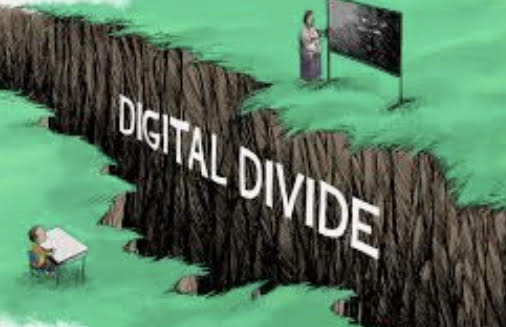
The divide between those with access to modern technology and those without it continues to widen especially within the African region, particularly in rural and low-income communities. However, innovative and affordable EdTech (education technology) solutions are now emerging as game changers, offering new hope for inclusive, equitable learning.
The digital divide in education stems from a combination of infrastructure, affordability, and awareness challenges. In many rural areas, internet connectivity is poor or non-existent, electricity is unreliable, and devices such as tablets or laptops remain unaffordable for most families.
According to UNESCO, nearly half of the world’s population still lacks access to the internet, with sub-Saharan Africa home to the largest share of disconnected youth. The COVID-19 pandemic stressed this gap as while urban schools quickly pivoted to online learning, millions of rural learners were left behind cut off from lessons, teachers, and peers.
To bridge this gap, innovators and organizations are developing low-cost and offline-compatible technologies that bring education closer to disadvantaged learners. Several standout examples are making a real difference across the continent and beyond.
In Kenya, Ghana, and Côte d’Ivoire, Eneza Education delivers curriculum-aligned lessons through simple feature phones with no internet needed. Learners access quizzes, lessons, and teacher support via SMS or USSD at a fraction of the cost of traditional schooling. With over 10 million users to date, Eneza proves that meaningful digital learning can happen even without smartphones or Wi-Fi.
Nigeria’s uLesson, founded by tech entrepreneur Sim Shagaya, provides video lessons, quizzes, and personalized tutoring through a mobile app. The platform’s offline mode allows students to download content and study without internet access. Priced affordably and tailored to West African curriculums, uLesson has become one of the continent’s most popular learning apps, especially in underserved regions.
Another notable example is Kolibri by Learning Equality, an open-source platform designed for offline learning environments. Schools or NGOs can install it on local servers or Raspberry Pi devices, enabling students to access digital textbooks, videos, and interactive exercises without the internet. It is being used in rural schools across Kenya, Tanzania, and Malawi, where teachers adapt global open educational resources to local languages and contexts.
M-Shule meaning “mobile school” in Swahili combines SMS-based learning with artificial intelligence to personalize education for primary school pupils. It provides tailored lessons, assessments, and feedback via basic phones, empowering students, parents, and teachers in low-income communities.
The One Laptop per Child (OLPC) initiative, though older, remains a landmark example of affordable EdTech for disadvantaged learners. The program distributed millions of low-cost, rugged laptops to children in developing nations. Today, its legacy continues through newer community-based digital access projects in Africa and Latin America.
Bridging the digital divide is not just about technology, it’s about collaboration. Governments, private companies, and Non Governmental Organization (NGOs) must align on digital inclusion strategies that combine affordable devices, localized content, and teacher training.
Countries like Rwanda and Kenya have shown leadership by integrating ICT into their national education policies. Rwanda’s Smart Classroom Initiative, for instance, has equipped thousands of schools with internet-enabled computers, while partnerships with telecom providers offer subsidized data for e-learning.
In Nigeria, grassroots initiatives such as Digital Village Hubs and solar-powered learning kiosks are bringing technology to remote communities. NGOs like Paradigm Initiative and Tech Her Africa are training rural youth especially girls in digital literacy and coding, proving that inclusion starts with empowerment.
Despite the progress, challenges persist. Connectivity costs remain high. In many African nations, data costs exceed five percent of monthly income, making online learning unsustainable for poor families. Infrastructure gaps from unreliable power supply to lack of devices continue to limit scalability. Cultural and language barriers also persist, with most digital content produced in English rather than local dialects.
To truly bridge the divide, EdTech innovation must be paired with systemic reforms investment in rural broadband, teacher upskilling, and localized content creation.
The future of education in Africa depends on digital inclusion. Affordable EdTech solutions, especially those designed for offline use, powered by renewable energy, and rooted in local needs can rewrite the story of learning inequality.
If governments can prioritize digital education as they have done with free primary schooling, and if the private sector continues to innovate with empathy, millions of children in rural and low-income communities could finally stand on equal digital footing with their urban peers.
Bridging the digital divide will take all of us innovators, educators, governments, and communities working hand in hand to ensure no child is left offline.