


667
By Tracy Moses
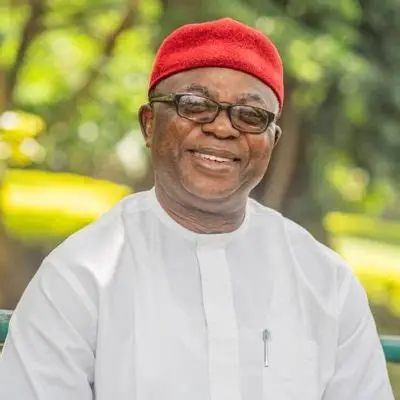
Former federal lawmaker and climate change advocate, Rt. Hon. Sam Onuigbo, has warned Nigerians to brace up for increasingly unpredictable weather patterns, saying recent unusual rainfall in parts of Kwara State highlights the growing impact of climate change and the urgent need for proactive action.
Onuigbo, the sponsor of Nigeria’s Climate Change Act 2021, made the remarks in a personally issued press statement following reports of rainfall on Christmas Day and again on December 30, 2025, in several parts of Kwara State—an occurrence residents described as unprecedented.
“The unusual rainfall in Kwara State is a clear reminder that climate change is real and underscores the importance of environmental awareness among all Nigerians. A friend of mine from Ilorin, who is about 60 years old, told me it was the first time he had ever witnessed showers on Christmas Day and then rainfall again on December 30,” Onuigbo said.
December traditionally falls within Nigeria’s dry Harmattan season, typically characterised by dusty winds, dry air and low humidity. The unexpected rainfall disrupted normal seasonal patterns and caught many residents unprepared. Onuigbo noted that the development is part of a wider trend, stressing that Kwara State is not an isolated case.
Similar weather anomalies, he said, have been recorded in other parts of Nigeria and across West Africa, including prolonged rainfall in southern Ghana, a situation experts have linked to a delayed Harmattan and shifting climate patterns.
The climate advocate, who currently represents the South-East geopolitical zone on the Governing Board of the North East Development Commission (NEDC), explained that the changes are consistent with global climate trends driven by rising temperatures, deforestation and increased greenhouse gas emissions, all of which are disrupting long-established weather cycles.
He emphasised the importance of the Climate Change Act 2021, which provides a comprehensive legal framework for Nigeria’s climate response, covering mitigation, adaptation and sustainable development.
Onuigbo called on federal and state governments to ensure full implementation of the law, particularly Section 26, which mandates climate change education and awareness across all segments of society.
He also urged communities and individuals to adopt environmentally responsible practices, including tree planting, proper waste management and reduced dependence on fossil fuels.
“Climate change is no longer an abstract issue discussed only at international forums. It is already affecting our agriculture, health, infrastructure, daily lives, and livelihoods. The events in Kwara and other parts of Nigeria should be a wake-up call for all of us,” he said.
Onuigbo commended President Bola Tinubu for what he described as being “a climate-conscious leader” and appealed to Nigerians to support environmental policies and initiatives, warning that failure to act decisively could result in more extreme weather events, food insecurity and significant economic losses in the years ahead.