


95
By Tracy Moses
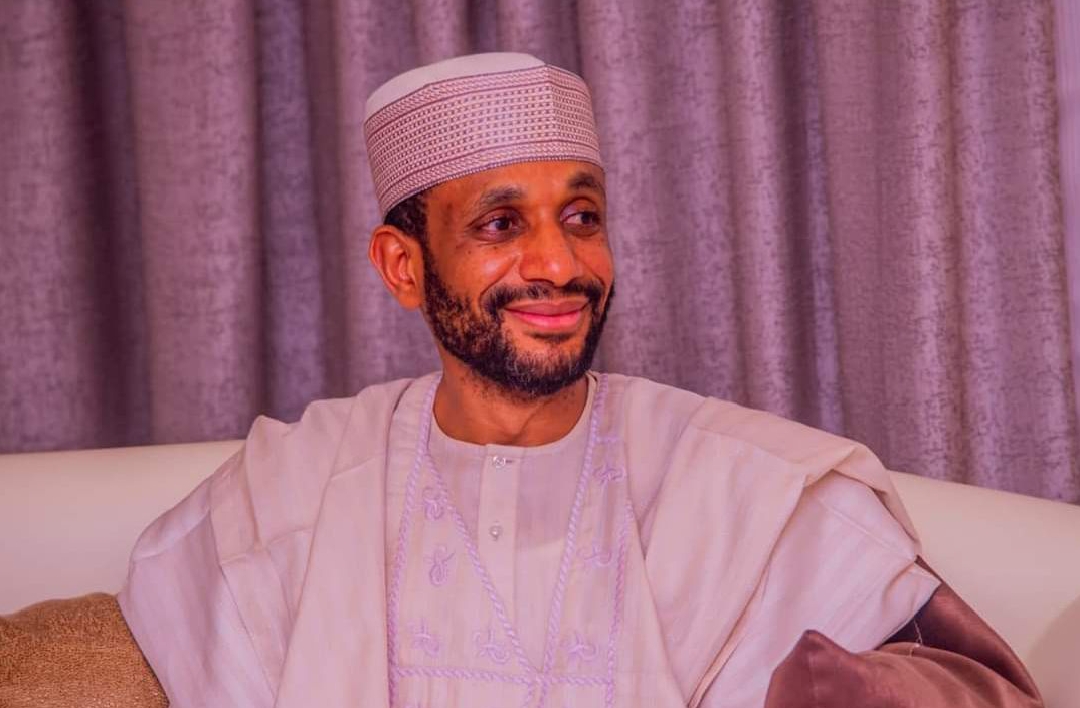
Legal experts have raised concerns that the possible emergence of Murtala Sule Garo as Deputy Governor ahead of the 2027 elections could stall the ongoing ₦57.4 billion corruption trial against him due to constitutional immunity.
Garo is currently standing trial alongside former Kano State governor, Abdullahi Umar Ganduje, and others over alleged diversion of local government funds running into ₦57.4 billion.
The case stems from allegations of large-scale misappropriation of public funds during his time in office, with prosecutors accusing the defendants of diverting resources belonging to local government councils in Kano State. Instituted by the Kano State Government, the trial is widely regarded as one of the most high-profile corruption cases in the state, drawing significant public interest due to the individuals involved and the magnitude of the funds in question.
Legal proceedings have been ongoing, with the court hearing arguments from both the prosecution and defence. However, like many high-profile corruption cases, the trial has faced concerns over delays and procedural complexities.
Speaking with journalists in Kano on Tuesday, a senior legal practitioner, Usman Bello, warned that granting constitutional immunity to a defendant already facing trial could significantly affect the pace and continuity of judicial proceedings.
“Granting immunity to a sitting defendant could affect the pace of ongoing trials, though it does not imply guilt or innocence,” Bello said.
He explained that if Garo assumes office as Deputy Governor, he would be shielded by Section 308 of the 1999 Constitution, which grants immunity from prosecution to certain public office holders, including governors and their deputies while in office.
According to Bello, such a development would effectively pause the trial until the expiration of Garo’s tenure, raising concerns about delays in the administration of justice.
“The timing of the nomination is troubling, especially given the scale of the allegations and the stage of the trial,” he added.
Also speaking, a civil society advocate, Bello Abubakar Ginsau, stressed that political decisions must be carefully weighed when legal proceedings are ongoing.
“The timing of any appointment amid ongoing trials should be carefully considered. Accountability and transparency must remain central in all decisions,” he said.
Observers note that while constitutional immunity remains a legal safeguard for public office holders, its application in cases involving ongoing criminal trials continues to raise critical questions about justice, accountability, and the integrity of Nigeria’s anti-corruption efforts.