


By Oscar Okhifo
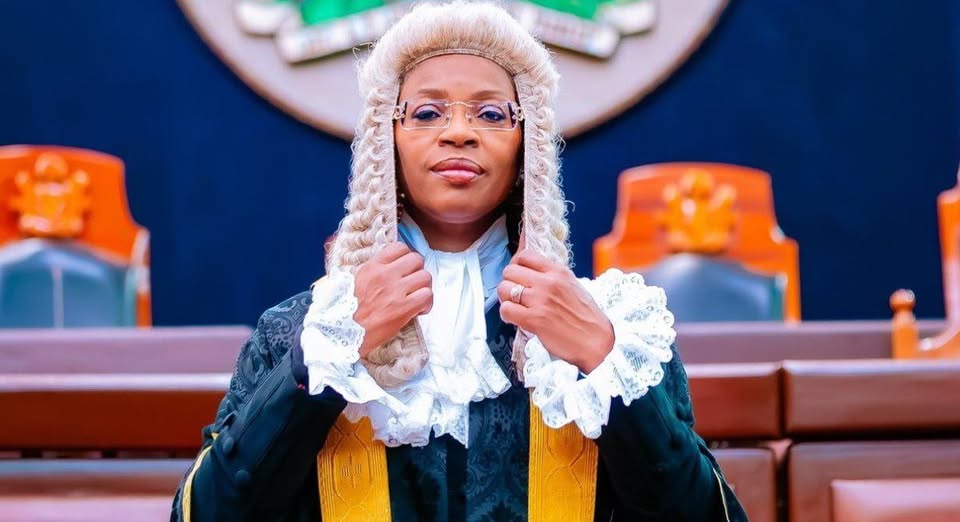
President of the Nigerian Bar Association (NBA), Oyinkansola Badejo-Okusanya, SAN, has said Nigerians have the right to record police officers while they are performing their official duties in public, but urged citizens to respect the officers’ privacy when they are off duty.
Badejo-Okusanya stated this on Wednesday in Abuja during a meeting with the Inspector-General of Police (IGP), Tunji Disu, and members of the NBA executive committee.
Her position followed concerns raised by Disu over the increasing practice of Nigerians recording police officers with their mobile phones, particularly after a recent court judgment affirmed citizens’ right to record officers while performing their duties in public.
Disu said the judgment had generated concern within the Police Force, alleging that some members of the public had begun recording police personnel whenever they encountered them.
“The recent judgement on recording of police officers, that one really jolted our officers. And it became something of concern to us because the citizens started coming out with their phones to record police officers everywhere they saw them,” the IGP said.
According to him, the practice had extended beyond encounters involving officers on duty, with some members of the public allegedly recording police personnel in private settings, including restaurants.
“Everywhere you see a policeman, start recording a policeman. So this is something that was very, very demoralising to us,” Disu said.
The police chief, however, acknowledged that citizens were entitled to record officers performing their duties in public, but appealed to Nigerians to exercise restraint and avoid turning such encounters into social media content.
“We are not saying they cannot exercise their rights of recording officers in the public places while doing their jobs,” he said.
“But they should put restraints and not turn our police officers to content for their skits or anything,” he added.
Responding, Badejo-Okusanya said there was a need to distinguish between recording police officers in the lawful discharge of their duties and invading their personal privacy.
She cited instances where officers could be recorded while eating or engaged in other private activities, stressing that such conduct should not be confused with legitimate public-interest recording.
“Policemen sitting down somewhere eating and people are recording them and intruding on their privacy,” she said.
The NBA president, however, stressed that concerns about privacy should not undermine transparency and accountability when police officers are performing their official duties.
“We should not be afraid of being transparent in the lawful execution of our duties,” Badejo-Okusanya said.
She cited the use of body-worn cameras by police officers in the United States as an example of how recording technology could promote accountability within law enforcement.
“When the US introduced body cams for police officers, it was in order to promote that so that you yourself, you have a check, you know that whatever you’re doing, you have a body camera that is recording it,” she said.
Badejo-Okusanya said the issue therefore required a clear understanding of the limits of the right to record, rather than a blanket restriction on citizens documenting police activities.
“We just need to understand the limits,” she said.
The debate over the portrayal and recording of police officers is not entirely new.
Over the years, the Nigeria Police Force has expressed concern about the way its personnel are portrayed in popular culture and the media.
During his tenure as Force Public Relations Officer, former Commissioner of Police Emmanuel Ojukwu criticised filmmakers for portraying police personnel as pot-bellied and physically unfit, arguing that such depictions projected a negative image of the Force.
That earlier concern, like the current debate over citizens recording officers, centred on how police personnel are represented before the public and the image created about the institution.
The latest debate, however, is taking place in a markedly different environment, where mobile phones and social media enable citizens to instantly document and circulate encounters with law enforcement officers.
Badejo-Okusanya said lawyers and police officers should work together to promote public safety, justice and respect for the rule of law.
She described the two professions as partners in the effort to build “a safe and vibrant society that respects the rule of law.”
The meeting was also part of efforts by the NBA and the Police to strengthen their relationship and reduce recurring friction between lawyers and police officers.