


605
By Daniel Adaji
Nigeria’s tax base remains narrow more than a decade after repeated alarms, with fewer than 10 million active individual taxpayers nationwide, the Chairman of the Presidential Fiscal Policy and Tax Reforms Committee, Taiwo Oyedele, has said.
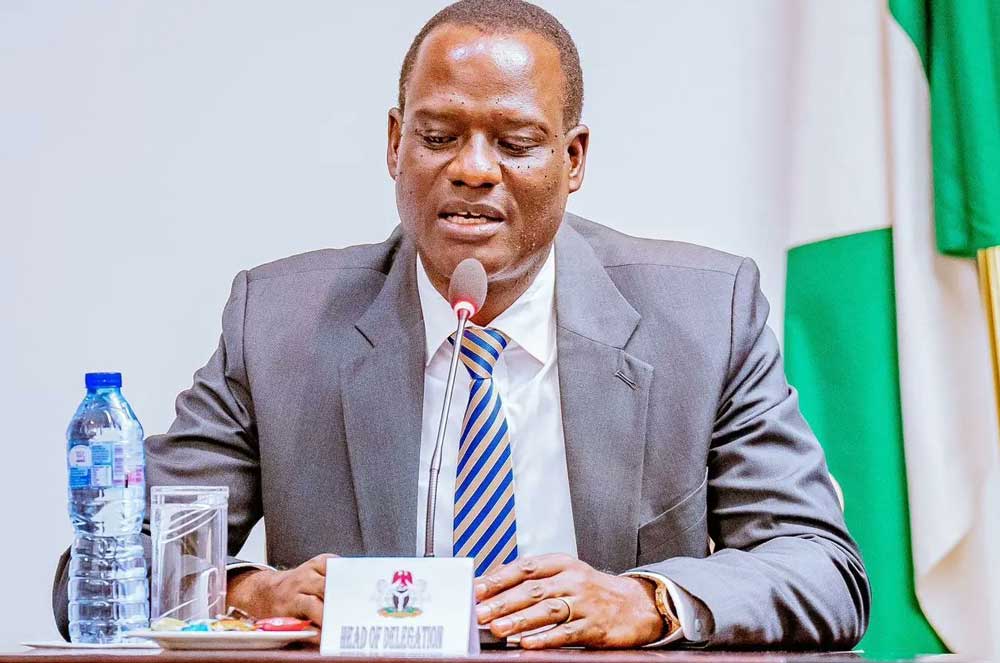
Oyedele made the assertion on on Tuesday while delivering a keynote address at the Tax Reform Summit 2026 in Lagos, themed “From Reforms to Results: The Lagos Implementation Roadmap, Creating a Tax Environment that Works for All.”
The summit was convened by the Office of the Special Adviser on Taxation and Revenue in collaboration with the Lagos State Treasury Office.
He said the figure underscored how little progress Nigeria has made in expanding its tax net, stressing that data-driven reforms at subnational levels are now urgent if the country is to mobilise sustainable revenue.
“In Nigeria today, the number of active individual taxpayers is under 10 million for the whole country. I think that is the number we should have for Lagos State alone, and we need to make that possible,” he said.
According to him, weak and fragmented data systems continue to undermine fiscal and economic planning, particularly at state level. He said reliable databases covering property registers, individual taxpayers and fiscal operations are essential to improving revenue mobilisation.
Oyedele also pointed to property taxation as one of the most stable but underutilised revenue sources for states and local governments, saying Lagos alone could generate up to ₦1 trillion annually if the sector’s potential is fully harnessed.
He explained that if just two million properties in Lagos were taxable, with an average value of ₦100 million and a modest tax rate of 0.5 per cent, the state could raise ₦1 trillion every year. Such revenue, he said, could be reinvested in infrastructure and public services, creating a cycle of growth and rising property values.
However, he warned that success would depend on proper property enumeration, accurate valuation, transparent administration and predictable enforcement.
He also called on Lagos State to lead by example by adopting harmonised tax laws and strengthening legal frameworks for collaboration among revenue-collecting agencies.
The Lagos comments echo long-standing concerns at the national level. A Joint Tax Board report has also put the number of Nigerians paying taxes at about 10 million, a situation Oyedele previously said has denied the country huge revenue needed for development.
Speaking earlier at a stakeholders’ meeting on the review of the National Tax Policy in Abuja in 2016, Oyedele noted that beyond the small taxpayer base, compliance remains weak, with the country recording only about 10 per cent Value Added Tax compliance.
The chairman of the then review committee, Prof. Abiola Sanni, said the essence of the policy review was not to increase taxes but to improve them for better implementation, while the Technical Assistant at the Nigerian Association of Small and Medium Enterprises, Chris John Mamuda, urged the committee to consider tax amnesty for SMEs to encourage business growth.