


1.1K
By Tracy Moses
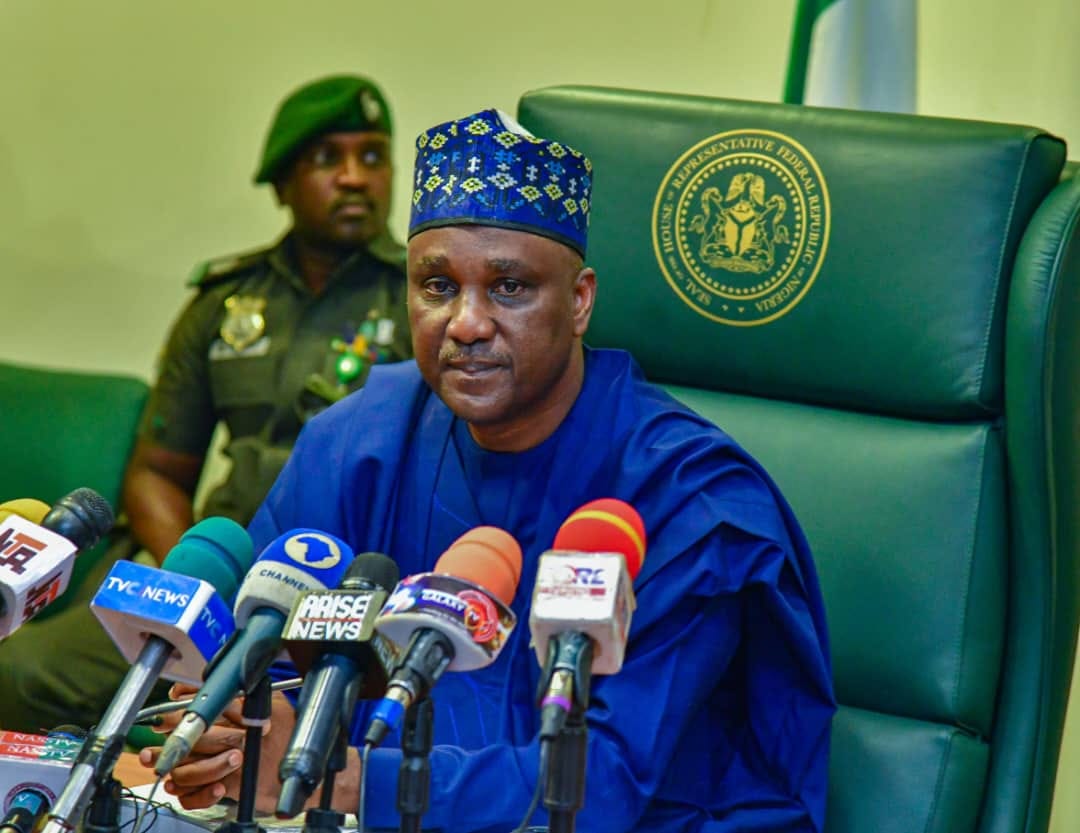
The Speaker of the House of Representatives, Tajudeen Abbas, has emphasized that Nigeria’s aspiration to become a trillion-dollar economy is closely linked to the growth and empowerment of small and medium-sized enterprises (SMEs).
Speaking on Monday at the Enterprise Nexus Summit held at the House of Representatives Complex, under the theme “Strengthening Local Enterprise Through Policy Support and Access,” Abbas highlighted that deliberate policy measures and effective institutional coordination are essential to unlocking the full potential of Nigeria’s entrepreneurial sector.
Represented by Deputy Speaker Benjamin Kalu, the Speaker described the summit as a practical platform designed to connect policies, opportunities, and ambition, with the ultimate goal of improving livelihoods across the country.
Abbas noted that while Nigerian entrepreneurs possess remarkable vision and determination, systemic obstacles, including limited access to finance, poor infrastructure, inadequate technology, and insufficient policy support, continue to hinder the success of SMEs.
“Entrepreneurs in Nigeria have never lacked courage or ideas; what they have lacked is a system capable of supporting their energy and drive,” Abbas said.
He explained that the Renewed Hope Agenda aims to propel Nigeria into a trillion-dollar economy within five years by leveraging the potential of SMEs. “Globally, SMEs account for over 90 percent of businesses and provide nearly 70 percent of employment in many developing nations. In Nigeria, data from PriceWaterhouseCooper’s 2024 survey shows that SMEs constitute over 84 percent of all businesses, contribute about 48 percent of GDP, and account for almost 97 percent of registered enterprises. Yet, half of these businesses fail within their first year due to limited access to credit, poor infrastructure, and managerial challenges,” he said.
The Speaker stressed that beyond financing, government policies must create an enabling environment for SMEs. “Regulations should promote growth rather than impede it. Cumbersome licensing processes, high compliance costs, and unclear taxation policies stifle entrepreneurial potential,” he explained. He further called for inclusive policies to empower women, youth, rural artisans, and marginalized communities.
Abbas also highlighted several legislative initiatives aimed at strengthening SMEs. Among these is the Innovation and Entrepreneurship Support Bill, 2025, which seeks to establish a national framework for innovation hubs, provide tax incentives for tech startups, and foster mentorship collaborations with the private sector.
Other measures include the recent Senate amendment to the Nigerian Export-Import Bank Act (NEXIM), 1991, which is expected to unlock $1 billion in trade opportunities for small-scale exporters in agriculture and manufacturing. Additionally, the Factoring and Invoice Discounting Bill is designed to convert SME receivables into immediate working capital, while the Nigeria Tax Act 2025 proposes a zero percent Companies Income Tax for businesses with annual turnovers below N100 million.
Linking economic empowerment to youth development, Abbas noted that creating meaningful economic opportunities can reduce youth vulnerability to drug abuse.
Supporting this perspective, Brig. Gen. Mohammed Buba Marwa (rtd), Chairman of the National Drug Law Enforcement Agency (NDLEA), represented by Director of Prevention and Sensitization, Assistant Commander General Dankolo Mohammed, highlighted that structural barriers restrict young Nigerians from accessing sustainable livelihoods. Citing the 2018 UNODC National Drug Use Survey, Marwa said approximately 14.3 million Nigerians aged 15 to 64, about 14.4 percent, used psychoactive substances in the past year, with prevalence highest among those aged 18 to 35, the nation’s most economically active group.
Marwa added that young substance users face challenges in accessing treatment due to stigma, limited support, and inadequate facilities. While the NDLEA has intensified efforts to curb drug supply, he stressed that addressing demand remains crucial. He pledged continued collaboration with the National Assembly and partners to expand youth entrepreneurship programs, enhance drug education, strengthen community rehabilitation, and incentivize private sector involvement in youth employment.