


535
By Daniel Adaji
The Nigerian Independent System Operator (NISO) says the 350 megawatts NNPC Abuja Gas Independent Power Project (IPP) is critical to Nigeria’s push to raise grid generation capacity to 8,500MW by the end of 2026.
In a statement issued on Thursday, NISO said the assessment was made during an on-site visit to the project on Wednesday, by its Managing Director and Chief Executive Officer, Engr. Abdu Bello.
According to the statement, the NISO boss described the project as a “vital step toward achieving the national target of 8,500MW grid generation capacity by the end of 2026.”
Bello led a high-level management delegation to the site, where the team reviewed the current stage of construction of the NNPC-backed power plant. The statement said the visit allowed NISO to identify areas where closer collaboration among stakeholders could help speed up completion and ensure timely commissioning of the facility.
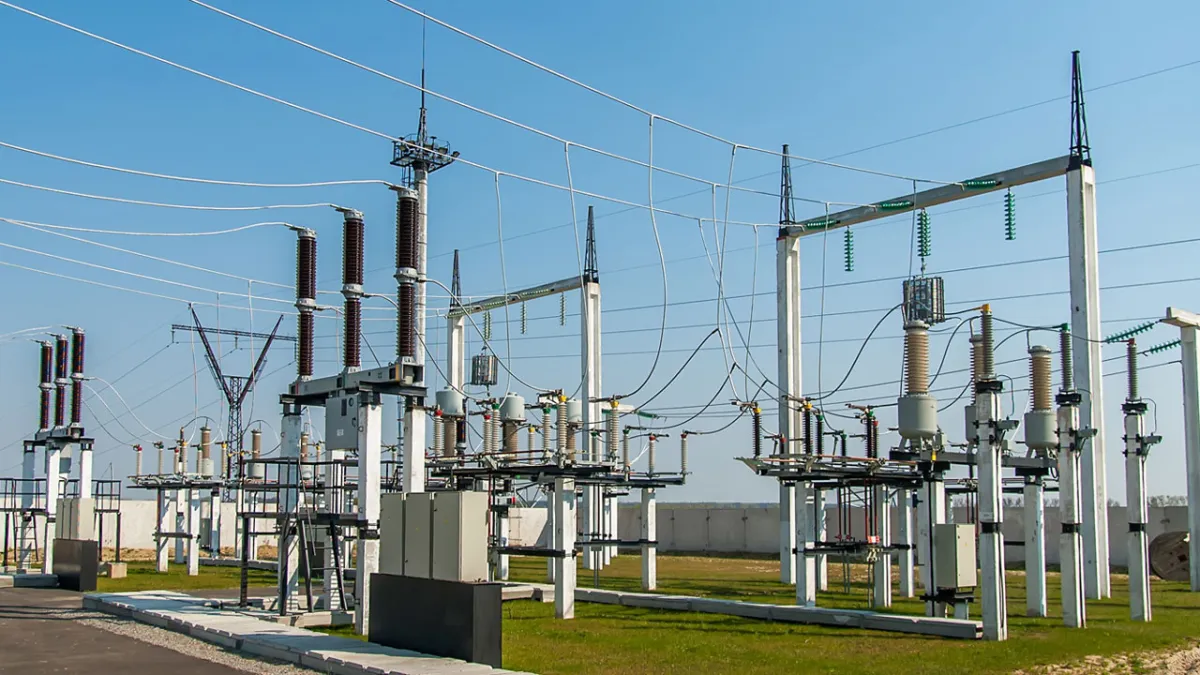
Beyond generation, the delegation also inspected the Supervisory Control and Data Acquisition (SCADA) implementation site at the Gwagwalada transmission substation, a key node in Nigeria’s evolving grid management architecture.
NISO said its team expressed confidence that “before the end of 2026, the full electricity value chain, from generation through transmission to distribution will be integrated into a unified SCADA platform, enabling real-time visibility, improved grid monitoring, and enhanced system reliability and stability.”
The system operator noted that integrating generation, transmission and distribution into a single SCADA framework is expected to improve operational oversight, reduce response times to grid disturbances and support more efficient power dispatch across the country.
The Abuja IPP, being developed by the Nigerian National Petroleum Company Limited (NNPC), is designed to add 350MW of gas-fired generation to the national grid. Once completed, the plant is expected to bolster electricity supply to the Federal Capital Territory and surrounding areas, while also contributing to broader efforts to diversify Nigeria’s generation mix and reduce dependence on distant power sources.
NISO reiterated, in the statement, its commitment to working with NNPC and other sector players to ensure the successful delivery of both the power plant and the SCADA rollout, describing them as central to meeting Nigeria’s medium-term grid expansion and reliability targets.