


By Tracy Moses
The House of Representatives has begun moves to establish professional standards for nutrition practice and protect Nigerians from harmful or misleading dietary advice through a proposed law seeking to establish the Nutritionists Registration Council of Nigeria.
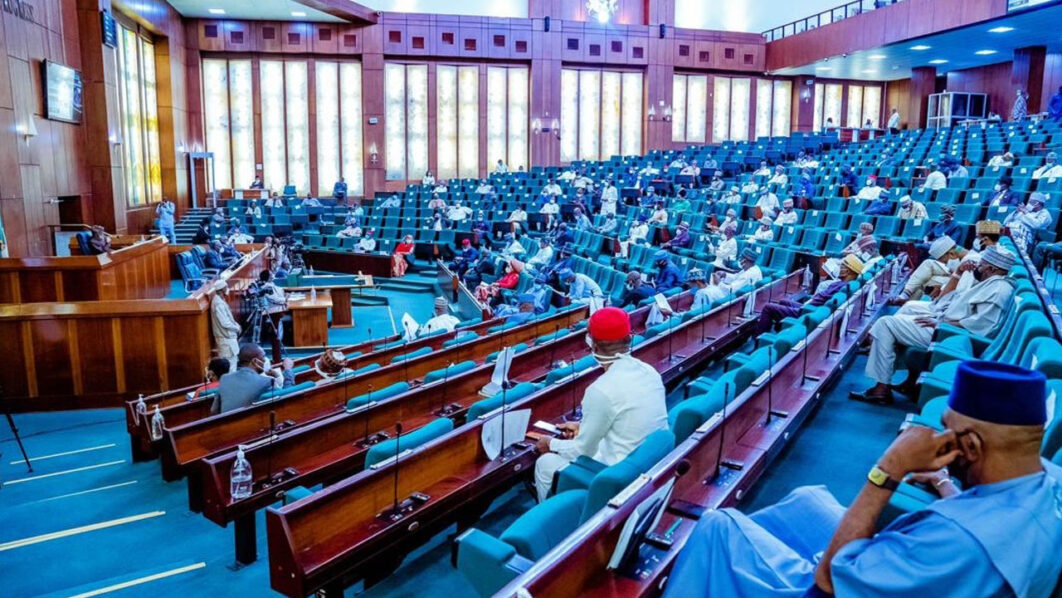
The bill was considered at a public hearing in Abuja on Tuesday, where lawmakers and stakeholders examined the need for a regulatory framework to promote professional competence, accountability and improved nutrition services across the country.
Declaring the hearing open, Speaker of the House, Tajudeen Abbas, said the establishment of the House Committee on Nutrition and Food Security underscored the importance of nutrition to public health, education, healthcare costs and national productivity.
He urged stakeholders to make evidence-based submissions, stressing that the proposed legislation must address a clearly established need and provide for institutions capable of delivering measurable results.
“I urge all stakeholders to approach this hearing with candour, technical rigour and a shared commitment to national interest. Parliament must legislate with ambition, but also with prudence. A sound law must address a demonstrable need, establish workable institutions and provide a credible pathway from legislative intent to effective implementation,” Abbas said.
The Speaker cautioned that the success of the proposed law should not be measured simply by the creation of another regulatory body but by its impact on professional practice and public health.
“Ultimately, the measure of this bill will not be the creation of another institution but whether it strengthens professional competence, protects Nigerians from harmful or misleading advice and improves the quality of nutrition services available to the public,” he said.
Abbas added that an effective regulatory framework could strengthen preventive healthcare, reduce avoidable health burdens and contribute to a healthier and more productive population.
The proposed council is expected to provide a formal framework for regulating nutrition practice, although its specific powers, responsibilities and operational structure will be determined by the provisions of the bill as considered by the National Assembly.
The proposed legislation comes amid growing recognition of nutrition as a critical component of preventive healthcare, disease management and general well-being.
While evidence-based dietary guidance can help individuals make informed decisions about their health, misleading claims and scientifically unsupported recommendations can expose the public to avoidable risks.
A formal regulatory framework could help define professional standards, establish accountability mechanisms and clarify the qualifications required to practise nutrition. Its effectiveness, however, will depend on the final provisions of the law and how they are implemented.
Abbas commended the House Committee on Nutrition and Food Security, chaired by Chike Okafor, and the Nutrition Society of Nigeria for their contributions to the proposed legislation.
Earlier, Okafor described the public hearing as a crucial stage in the legislative process, providing an opportunity for professional associations, health practitioners, citizens and other stakeholders to express their views on the bill.
He said the committee had not taken a position on the proposal and would consider submissions both for and against it before making recommendations to the House.
“As a committee, we have no bias or already decided opinion, but we will collate all opinions canvassed by you today, either for or against, before making our recommendation to the general House in plenary for consideration,” he said.
Okafor urged participants to regard their contributions as an opportunity to influence legislation and promote national development.
“I therefore plead with each speaker to see his or her role today as a contribution to lawmaking and national development.
“We aim for good laws, having known the consequences of bad ones,” he added.
The committee chairman also commended Abbas for supporting the establishment of the Committee on Nutrition and Food Security, describing it as a significant development for the National Assembly.
He said the Speaker’s presence at the hearing demonstrated the importance the House leadership attached to nutrition and food security.
The submissions made at the hearing are expected to guide the committee’s further consideration of the bill, including the proposed council’s mandate, the standards for professional practice and safeguards against unnecessary barriers to legitimate nutrition services.
The committee is expected to review the contributions before presenting its recommendations to the House for consideration in plenary.
The proposed legislation must pass the required legislative stages before it can become law.