


785
By Tracy Moses
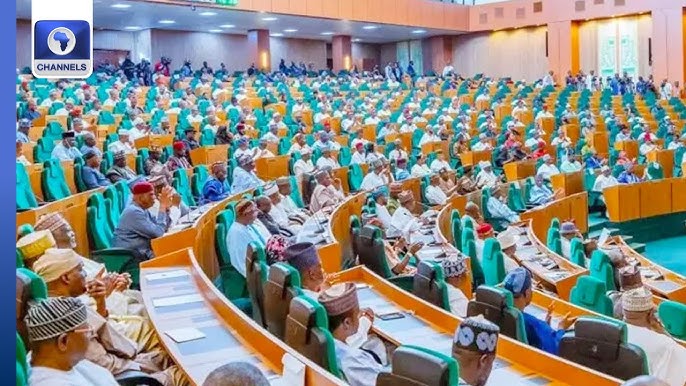
The House of Representatives has begun an in-depth investigation into Nigeria’s growing drug abuse and trafficking crisis, aiming to expose systemic failures, hold accountable those responsible, and curb a menace threatening public health and national security.
Opening the investigative hearing in Abuja on Tuesday, the Chairman of the Ad hoc Committee on Drugs, Trafficking, Alcohol, and Tobacco Abuse, Rep. Oluwatimehin Adelegbe, warned that drug abuse poses a grave threat to the soul of the nation.
He said the committee was inaugurated to uncover the truth, reveal institutional weaknesses, and recommend strong corrective measures capable of reversing the alarming trend.
“The mission of this committee is straightforward: to investigate, protect, reform, and ultimately save lives,” Adelegbe said.
The lawmaker stressed that the country is facing a national emergency, as substance abuse, illicit drug trafficking, unregulated pharmaceutical distribution, predatory alcohol marketing, and aggressive tobacco promotion have converged into a dangerous crisis.
“This crisis is sapping the health of our youth, weakening our workforce, destabilising communities, and jeopardising our collective future,” he added.
Adelegbe noted that cannabis is freely smoked on the streets, methamphetamine use is spreading rapidly across the nation, and codeine-based cough syrups are sold almost like soft drinks. He also highlighted that Tramadol 200mg is trafficked with the same coordination as hard narcotics, while cheap, hazardous alcoholic drinks are destroying young men and women in motor parks, campuses, and markets nationwide.
The lawmaker further criticised tobacco companies for exploiting regulatory loopholes to target minors through flavoured products, informal retail channels, and deceptive marketing. He decried the influx of substandard pharmaceuticals, fake spirits, and unregistered products into Nigerian markets, blaming weak enforcement at ports, airports, and borders for enabling trafficking syndicates.
“Entire communities have been crippled by addiction, crime, and preventable deaths. Nigeria is losing too many lives, too many futures, too many families,” Adelegbe said.
He emphasised that the investigation is not anti-business or a witch-hunt but a measure of accountability to protect public health.
“We value industries, welcome investors, and encourage innovation. However, no business model should thrive at the expense of Nigerian lives. No profit can justify the destruction of our youth. Every stakeholder invited here is a partner in protecting Nigeria, and your cooperation is expected and required,” he said.
The United Nations Office on Drugs and Crime (UNODC) raised fresh concerns over the scale of drug use in Nigeria, describing it as significantly above the global average. In a memorandum submitted to the committee, UNODC cited findings from the 2018 Nigeria Drug Use Survey, conducted with the National Bureau of Statistics (NBS) and the European Union, which indicated that 14.4 per cent of Nigerians aged 15 to 64 use drugs.
The survey found that cannabis is the most widely used drug, with an estimated 10.6 million users, followed by about seven million using pharmaceutical opioids, including Tramadol and codeine-based cough syrups. Nearly three million Nigerians suffer from drug use disorders requiring counselling or medical treatment.
The report also highlighted the disproportionate impact on women and girls. While one in four drug users is female, only one in 20 receiving treatment is a woman, reflecting stigma and barriers that limit access to care.
UNODC projected that drug use in Africa could increase by 40 per cent by 2030, translating to more than 20 million drug users in Nigeria alone, a development that poses extreme challenges for public health and national security.
The UNODC 2025 World Drug Report further revealed that cannabis remains the most widely used drug globally, with 244 million users in 2023, representing 4.6 per cent of the global population aged 15 to 64. Opioids remain the deadliest drug group, responsible for roughly two-thirds of drug-related deaths worldwide, largely due to overdoses.
The agency recommended a pragmatic, data-driven, and humane approach to combat drug abuse and trafficking, combining intelligence-led enforcement with expanded prevention, treatment, and harm-reduction measures. Key recommendations include legislative reforms, decriminalisation of possession for personal use within defined limits, institutionalisation of harm-reduction strategies, strengthened asset forfeiture and financial investigations, modernised chemical and precursor controls, and alternatives to incarceration for low-level, non-violent drug offences.
In a separate memorandum, the National Drug Law Enforcement Agency (NDLEA) reaffirmed its commitment to combating illicit drugs, commending the House committee’s proactive steps and pledging technical support for strengthening Nigeria’s National Drug Control Master Plan (NDCMP). The agency also highlighted the need to strengthen legislation, improve regulation, expand treatment systems, and enhance operational resources to bolster Nigeria’s capacity to tackle drug trafficking and protect public health.