


768
By Lizzy Chirkpi
The Senate on Wednesday began the screening of President Bola Tinubu’s nominees to head Nigeria’s leading petroleum regulatory bodies, with lawmakers issuing firm directives that the new chiefs must overhaul industry policies to favour domestic employment and local refining.
The nominees—Oritsemeyiwan Eyesan for the Nigerian Upstream Petroleum Regulatory Commission (NUPRC) and Engr. Saidu Aliyu Mohammed for the Nigerian Midstream and Downstream Petroleum Regulatory Authority (NMDPRA) faced a joint Senate panel on Upstream, Midstream, Downstream and Gas, where lawmakers set the tone for a new era of accountability in the sector.
Their screening follows the resignation of former chief executives, Engr. Farouk Ahmed and Mr. Mele Komolafe, whose leadership came under heavy public criticism for policies widely viewed as hostile to domestic refining and industrial investment.
During the session, senators repeatedly emphasised that Nigeria’s petroleum regulatory activity must depart from an era of import reliance and job losses.
Former Edo Governor and Senator representing Edo North, Adams Oshiomhole (APC), expressed displeasure over the previous leadership, insisting that the petroleum sector must never again be managed by individuals who undermine national industrial interests.
“I celebrated it last night,” Oshiomhole stated boldly, referencing their resignation. “It needed to be done. And I’m still going to drink tonight because of their removal.”
The senator argued that qualifications on paper are not sufficient, warning the new nominees that Nigerians will judge them strictly on the direction of their policies.
“Looking at your CV, you are qualified. But the real question is your policy choices,” he said. “Everywhere in the world, governments deliberately protect local industries not because they like the owners, but because they want to create jobs.”
Oshiomhole said that under the departed administration, several licensed modular and large-scale refineries were left to rot due to import-friendly policies.
“Assets were deliberately undermined under their watch,” he said. “Anyone who opposes job creation in Nigeria, who prefers importing products and exporting our wealth, has no business managing this sector.”
Senator David Jimkuta of Taraba South (APC) echoed similar sentiments, announcing that he would be joining Oshiomhole in celebration over the leadership change, while reminding the nominees that the Senate would strictly monitor their performance.
He posed direct questions about public accountability and strategic direction:
“I want you to tell us what you will do differently, how you will address public perceptions, and how you intend to correct past missteps,” Jimkuta asked.
Lawmakers during the session pointed out that Nigeria cannot continue depending on petroleum imports while refineries and processing plants remain idle.
They also referenced mounting tensions between outgoing NMDPRA head, Farouk Ahmed, and business mogul Aliko Dangote, who has repeatedly accused regulators of sabotaging domestic refining through arbitrary licensing for imports.
Oshiomhole insisted that under new leadership, Nigerian engineers, technicians and refinery workers must benefit from the nation’s oil wealth:
“Employment comes not from lamenting the unemployed, but from supporting domestic industries and labour-intensive enterprises like refineries,” he added.
The senators warned the nominees that national interest—not refinery owners, foreign traders or licensors must drive the sector moving forward.
“Be guided by what is good for Nigeria, not by private interests alone,” Oshiomhole said.
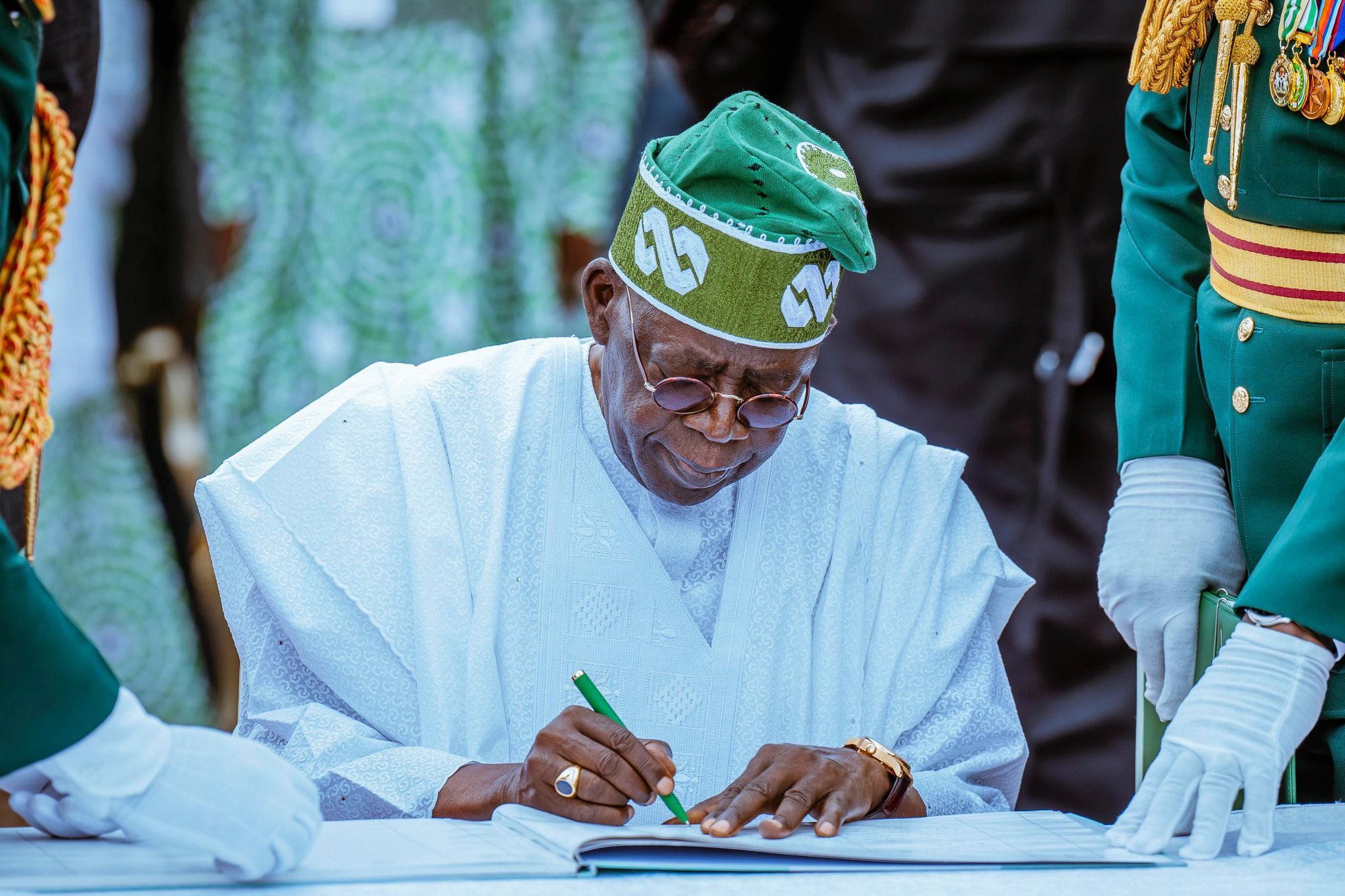
President Tinubu’s nominations are widely seen as strategic, coming at a time when the government is pushing to revive refineries and reposition the oil sector as a job engine rather than simply a revenue window.
Within the Senate, the mood suggested relief and renewed optimism that a leadership reset could speed up Nigeria’s path to refining self-sufficiency.
For lawmakers, the message is clear:
regulators will be judged on whether their decisions create employment, expand local refining and reduce national dependence on imported petroleum products.
As the nominees await final confirmation, Nigerians now look to see whether the new heads will rewrite the nation’s petroleum policy direction or repeat mistakes that have kept the sector stagnant for decades.