


873
By Lizzy Chirkpi
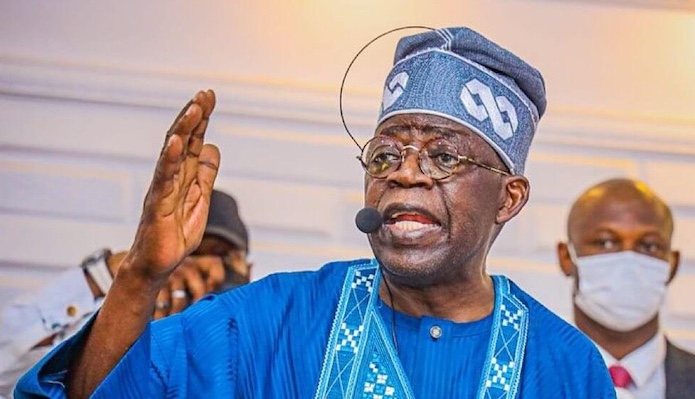
President Bola Tinubu has declared 2026 as the beginning of a more robust phase of economic growth for Nigeria, expressing confidence that the gains from ongoing reforms will translate into tangible benefits for ordinary citizens.
In his New Year address to Nigerians, the President said the country entered 2026 with renewed hope, following what he described as steady economic progress achieved in 2025 despite global economic headwinds. He noted that the fiscal reset and major reforms undertaken by his administration were “difficult but necessary” and are now yielding measurable results.
Reflecting on the outgoing year, Tinubu said Nigeria closed 2025 on a strong footing, recording consistent quarterly GDP growth, with annual growth projected to exceed four per cent. According to him, trade surpluses were sustained, exchange rate stability improved, and inflation declined steadily to below 15 per cent, in line with government targets.
“As we enter 2026, our focus is on consolidating these gains and continuing to build a resilient, sustainable, inclusive, and growth-oriented economy,” the President said.
He assured Nigerians that inflation would be driven down further in the new year, stressing that his administration is determined to ensure the benefits of economic reforms reach every household. Tinubu also highlighted the strong performance of the Nigerian Stock Exchange, which he said outperformed its peers with a 48.12 per cent gain in 2025, extending a bullish trend that began in the second half of 2023.
On external buffers, the President disclosed that Nigeria’s foreign reserves stood at $45.4 billion as of December 29, 2025, describing the position as a “substantial buffer against external shocks for the naira,” with expectations of further strengthening in 2026.
Tinubu further pointed to rising investor confidence, noting that foreign direct investment jumped to $720 million in the third quarter of 2025 from $90 million in the preceding quarter. He said this renewed confidence has been recognised by global credit rating agencies, including Moody’s, Fitch, and Standard & Poor’s, which have affirmed Nigeria’s improving economic outlook.
On fiscal policy, the President reiterated his commitment to discipline and reform, referencing the recent presentation of the 2026 Appropriation Bill to the National Assembly. He said the reforms implemented so far are laying “a solid foundation for long-term stability and prosperity,” adding that with patience and unity of purpose, Nigeria will emerge stronger in 2026.
Tinubu also addressed the issue of multiple taxation, commending states that have aligned with the national tax harmonisation agenda. He said reducing the burden of taxes, levies, and fees on citizens and businesses is critical to stimulating growth and easing pressure on basic consumption.
According to him, 2026 marks a crucial phase in the implementation of tax reforms aimed at creating a fairer, more competitive fiscal system. “By harmonising our tax system, we aim to raise revenue sustainably, correct fiscal distortions, and strengthen our capacity to finance infrastructure and social investments that will deliver shared prosperity,” the President said.
He concluded by calling on Nigerians to remain united and resolute, expressing confidence that the new year will usher in greater economic stability and inclusive growth for the country.