


105
By Daniel Adaji
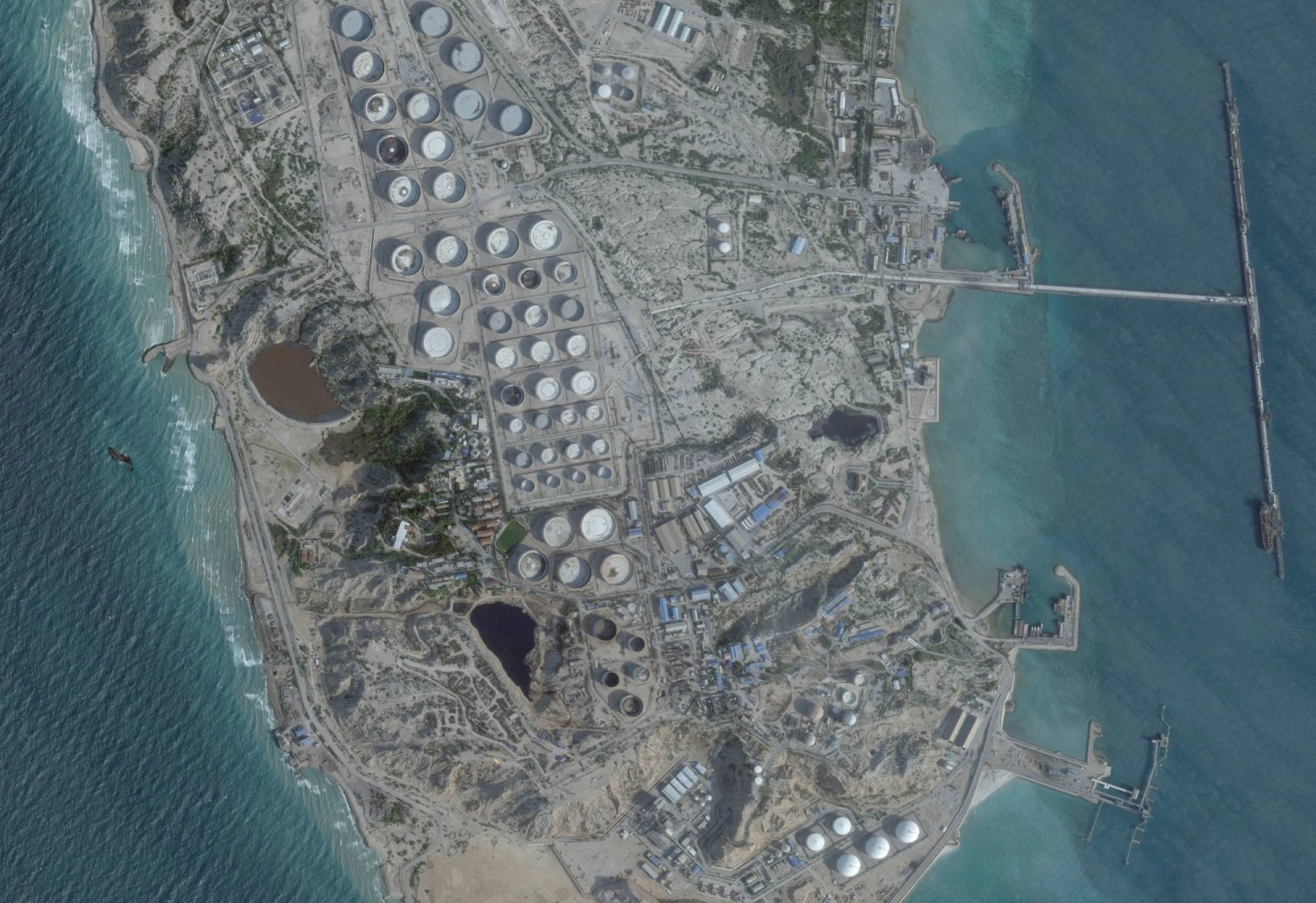
The United States has carried out a major bombing raid on Iran’s strategic Kharg Island, with President Donald Trump declaring that American forces had “totally obliterated” military targets there while warning Tehran that further action could follow if shipping in the Gulf is threatened.
Announcing the operation on Saturday via his social media handles, Trump said he had ordered the strike through United States Central Command as part of the escalating war between Washington and Tehran.
“Moments ago, at my direction, the United States Central Command executed one of the most powerful bombing raids in the History of the Middle East, and totally obliterated every MILITARY target in Iran’s crown jewel, Kharg Island,” the president said.
He added that although the island hosts some of Iran’s most valuable oil infrastructure, the United States deliberately avoided destroying those facilities.
“Our Weapons are the most powerful and sophisticated that the World has ever known but, for reasons of decency, I have chosen NOT to wipe out the Oil Infrastructure on the Island,” Trump said.
However, he warned that the decision could change if Iran interferes with maritime traffic in the strategic waterway nearby.
“However, should Iran, or anyone else, do anything to interfere with the Free and Safe Passage of Ships through the Strait of Hormuz, I will immediately reconsider this decision,” he said.
Kharg Island lies in the northern Persian Gulf and is widely considered the heart of Iran’s oil export system, handling the bulk of the country’s crude shipments.
Military installations on the island, including air defenses and naval facilities, were among the targets of the strike, according to early reports.
The attack marks one of the most significant escalations since the conflict between the United States and Iran began on February 28, when U.S. and allied forces launched airstrikes against Iranian military infrastructure across several locations.
Trump framed the operation as part of a broader strategy to prevent Iran from threatening U.S. interests and allies in the region.
“Iran has NO ability to defend anything that we want to attack — There is nothing they can do about it!” the president said.
He added that Washington’s military superiority would ensure that Tehran could not pursue nuclear weapons or destabilize the region.
“Iran will NEVER have a nuclear weapon, nor will it have the ability to threaten the United States of America, the Middle East or, for that matter, the World!” he said.
The president also issued a warning to Iran’s armed forces and its allies.
“Iran’s Military, and all others involved with this Terrorist Regime, would be wise to lay down their arms, and save what’s left of their country, which isn’t much,” Trump said.
War spreading across the Middle East
The strike comes amid a rapidly expanding conflict that has drawn in several countries across the Middle East.
Since late February, Iranian missile and drone attacks have targeted U.S. bases and allies across the region, including strikes in Bahrain where the headquarters of the U.S. Navy’s Fifth Fleet is located. Those attacks have left civilians dead and dozens injured.
Regional clashes have also spread to Lebanon, Iraq and parts of the Gulf, raising fears of a wider war that could disrupt global oil supplies and international shipping.
According to recent estimates, more than 2,000 people have been killed and millions displaced since the conflict erupted, while key oil facilities and military bases across the region have been repeatedly targeted.
The island sits close to the entrance of the Strait of Hormuz, a narrow passage through which a significant share of the world’s oil supply travels.
Trump’s warning that the United States could strike Iran’s oil infrastructure if shipping routes are blocked has heightened fears of a major disruption to global energy markets.
Iran has already threatened retaliation, including potential attacks on oil facilities linked to U.S. allies in the Gulf if its own energy assets are targeted.
Despite mounting casualties and diplomatic calls for restraint, both sides appear to be digging in.
Iranian officials have vowed to continue resisting U.S. military operations and warned that any attempt to cripple the country’s oil exports would trigger a broader regional response.
For now, the strike on Kharg Island signals that the conflict is entering a more dangerous phase, one that could reshape the balance of power in the Persian Gulf and threaten the stability of global energy markets.