


751
By Godswill Michael
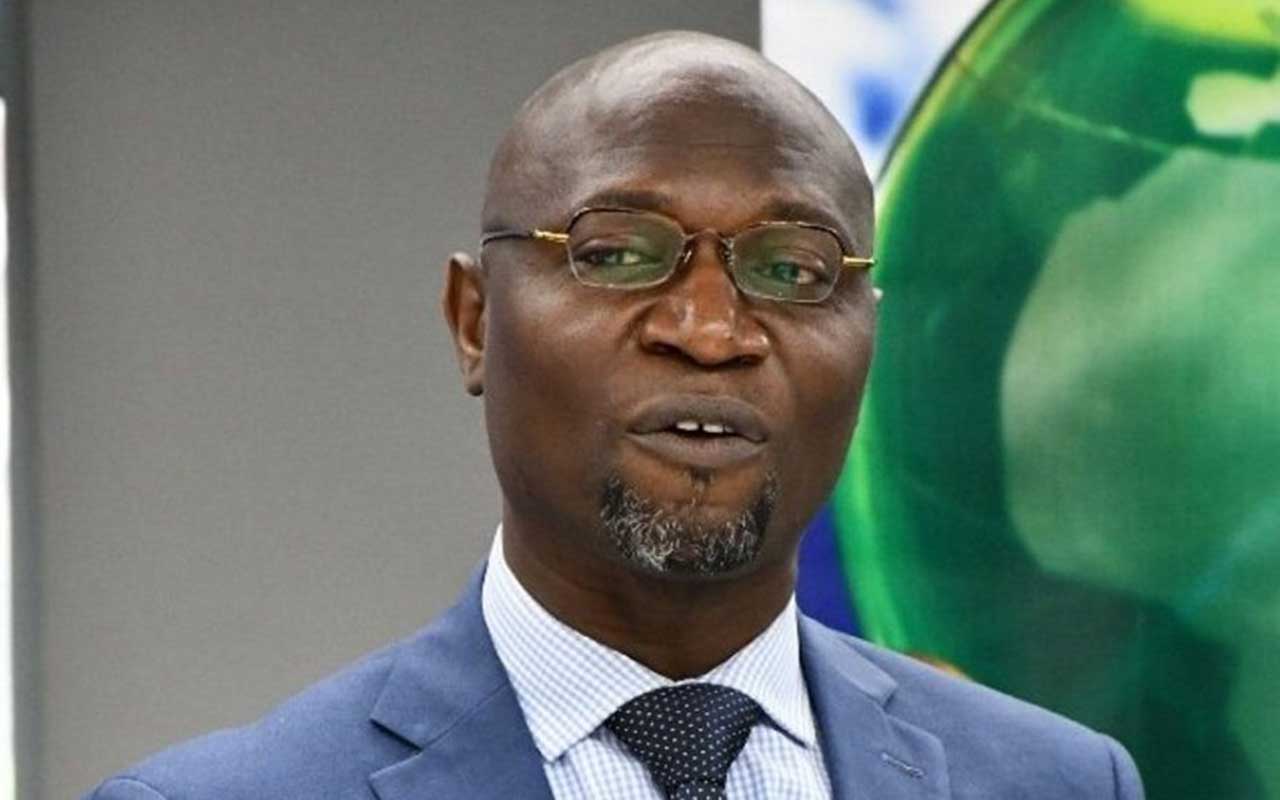
The Director-General of the Securities and Exchange Commission Nigeria, Emomotimi Agama, has called for stronger collaboration among key players in the financial system to unlock the full potential of Nigeria’s capital market and drive sustainable economic development.
Agama made the call while delivering a keynote address at the Emerging Africa Capital Limited Investor Summit and Awards, where he emphasised that ongoing regulatory reforms by the commission were already yielding positive outcomes but required collective effort to achieve long-term impact.
In a statement on Sunday, he noted that the reforms, ranging from the introduction of electronic public offerings to the deepening of the bond market and expansion of alternative investment platforms, have begun to attract renewed investor interest, signalling a market undergoing active transformation.
Despite these gains, the SEC DG acknowledged that Nigeria’s capital market remains underdeveloped relative to its potential. He pointed out that market capitalisation as a share of GDP lags behind peer economies, while retail investor participation remains low and the derivatives market is still at an early stage.
According to him, bridging these gaps requires coordinated action across the ecosystem, stressing that regulators alone cannot build a vibrant capital market.
“The strength of the market lies in stakeholders playing their roles with integrity, competence and a long-term orientation,” he said.
Agama urged corporate issuers to increasingly utilise the capital market as a primary source of financing by improving corporate governance standards, enhancing disclosure practices and strengthening investor relations to attract institutional capital.
He also called on domestic institutional investors, including pension fund administrators and insurance firms, to deepen participation in capital market instruments and strengthen their analytical capacity to invest across asset classes.
In addition, he reassured foreign investors and development finance institutions of Nigeria’s openness to investment, noting that the SEC remains committed to maintaining a transparent, principles-based regulatory environment aligned with global best practices.
The SEC DG emphasised the importance of inter-agency coordination, calling on institutions such as the Central Bank of Nigeria, Debt Management Office, National Insurance Commission and National Pension Commission to harmonise policies and present a unified regulatory framework to investors.
Nigeria’s capital market has faced persistent structural challenges over the years, including low investor confidence, limited product diversity and weak retail participation. However, recent reforms by the SEC are aimed at repositioning the market as a critical engine for economic growth, particularly in mobilising long-term financing for infrastructure and private sector development.
These efforts come amid shifting global economic conditions marked by macroeconomic uncertainties, tighter financial conditions and changing investor preferences. While some emerging and developed markets currently attract short-term capital flows due to quicker returns, Agama noted that Nigeria offers stronger long-term investment prospects given its large, underutilised economic base.
He stressed that the decisions taken by investors and regulators over the next few years would determine whether the country fully harnesses these opportunities or falls short.
“The nations that have built strong economies did so by effectively mobilising and deploying capital toward productive uses,” he said. He added that Nigeria stands at a critical juncture in its development trajectory.