


1.7K
By Lizzy Chirkpi
The Supreme Court has restored the leadership of David Mark in the African Democratic Congress (ADC), setting aside a controversial status quo ante bellum order that had deepened divisions within the party.
In a judgment delivered on Thursday, Justice Mohammed Garba held that preservative orders are only valid while proceedings are ongoing, stressing that such directives cannot subsist once a matter has been effectively concluded. He noted that at that stage, there would be nothing left for the court to preserve.
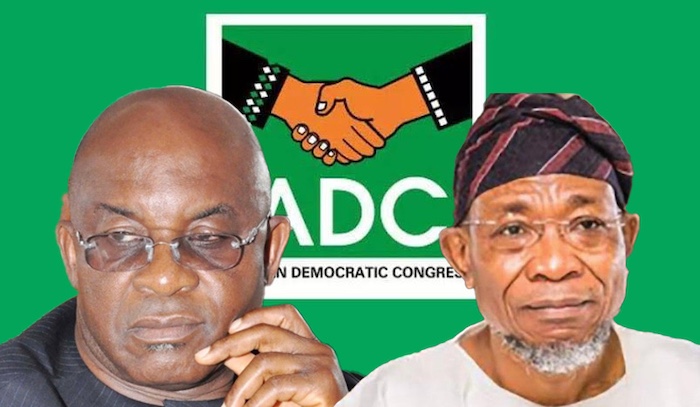
The ruling is the latest twist in the protracted leadership crisis in the ADC, which has seen a fierce contest between the camp loyal to Mark and former Osun State governor Rauf Aregbesola, and another faction led by former presidential candidate Dumebi Kachikwu, who has consistently challenged their legitimacy and laid claim to the party’s leadership structure.
The dispute had soared after a suit was filed seeking to restrain the Independent National Electoral Commission (INEC) from recognising Mark and Aregbesola as National Chairman and National Secretary, while also asking the court to stop them from functioning in those roles pending the determination of the case.
However, the trial court declined to grant any interim injunction and instead directed all parties to maintain the status quo while ordering that the respondents be put on notice. That procedural directive later became the subject of an appeal.
In its decision, the apex court held that the appeal was incompetent, pointing out that it did not arise from any order granting or refusing an injunction and that leave of court ought to have been obtained before filing it. Justice Garba emphasised that the requirement for leave is fundamental, warning that failure to comply renders an appeal invalid and strips the court of jurisdiction.
He further clarified that “status quo ante bellum” orders are meant to preserve the subject matter of litigation and prevent parties from taking steps that could undermine the court’s authority, but cannot be stretched into indefinite restraints on parties after proceedings have ended. Converting such an order into what he described as a “backdoor injunction,” he said, would be legally untenable.
With the decision, the Supreme Court effectively cleared the way for Mark’s leadership to stand, even as it directed that all pending processes before the lower court be resolved in line with the law