


By Tracy Moses
The Executive Director of the Yambam-Kabati African Foundation, Kabati Emmanuel Ishaya, has urged Nigerians to end the stigma and discrimination against persons living with psychological disabilities, saying timely intervention, family support and community acceptance can help affected individuals rebuild their lives.
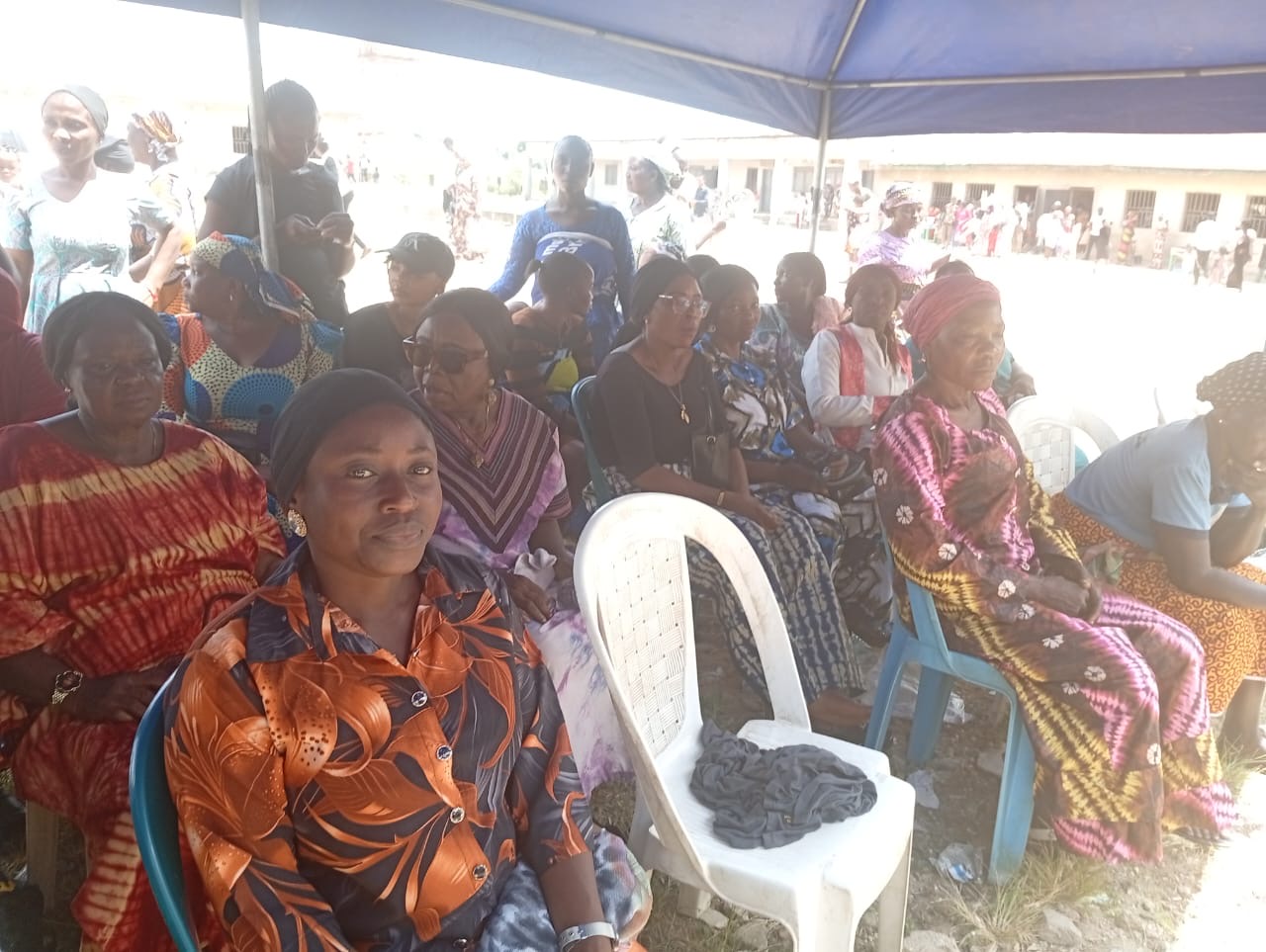
Ishaya made the call at a community awareness dialogue on ending stigma and promoting the rights, dignity and inclusion of persons with psychological disabilities in Masaka, Karu Local Government Area of Nasarawa State.
He said misconceptions and inadequate understanding of mental health conditions continued to discourage many people from seeking professional help, while stigma often worsened the difficulties faced by affected individuals and their families.
According to him, the Yambam-Kabati African Foundation was established to promote mental health awareness in rural communities, provide health education and support people living with mental health conditions through professional interventions.
The programme was organised in collaboration with a coalition of non-governmental organisations, including Suomi Finland, CBM Global Disability Inclusion, the Joint National Association of Persons with Disabilities (JONAPWD) and Inclusive Friends Association (IFA).
Sharing a personal experience that influenced his advocacy, Ishaya said his passion for mental health awareness grew from challenges he experienced following an early marriage and first pregnancy.
He recalled experiencing severe emotional distress, financial hardship and social misunderstanding during the period, adding that behavioural changes were initially not recognised as possible signs of a mental health condition.
The lack of understanding, he said, exposed him to discrimination and deepened his struggle.
“It’s not about money. Mental health can affect anybody,” Ishaya said.
He stressed that emotional and psychological wellbeing should receive the same attention as physical health, urging families and communities to take signs of mental distress seriously and encourage affected persons to seek appropriate care.
Ishaya also urged families not to abandon relatives experiencing mental health challenges, stressing that treatment, support and acceptance could significantly improve their wellbeing and prospects for recovery.
“If my family had left me on the streets, I wouldn’t be here today,” he said.
He acknowledged the support he received from neighbours and community members during his recovery, describing community acceptance as an important part of helping people experiencing psychological distress.
Ishaya also challenged misconceptions that people living with mental health conditions could no longer contribute meaningfully to society.
He said affected persons could work, marry, run businesses and participate fully in community life when they receive appropriate treatment, support and acceptance.
Beyond mental health advocacy, Ishaya said the foundation had been mobilising women in Masaka and Nyanya through awareness sessions and skills acquisition programmes.
He said the organisation had trained women in fish farming and poultry production, while philanthropists had supported some beneficiaries with start-up resources to establish small businesses.
The initiatives, he said, had helped several beneficiaries become more financially independent and reduced their reliance on their spouses for household income.
Ishaya also cautioned young people against the lure of “miracle money”, urging them to acquire knowledge and practical skills and pursue legitimate means of earning a livelihood.
He said the foundation planned to expand vocational training for women in various trades while strengthening partnerships with philanthropists and other stakeholders to provide start-up support, mentorship and other assistance to beneficiaries.
Also speaking, Saadatu Usman of JONAPWD urged participants to look out for one another and build supportive communities where people could openly discuss their challenges.
Usman said problems shared with trusted friends or members of a support network could be addressed before they escalated.
The dialogue brought together community members and disability advocates in Masaka to promote greater understanding of psychological disabilities and encourage respect for the rights, dignity and inclusion of affected persons.