


By Tracy Moses
The House of Representatives has called for greater accountability in the management of emergency health funds and sustained investment in disease surveillance systems to strengthen Nigeria’s preparedness for future infectious disease outbreaks, including Ebola Virus Disease (EVD).
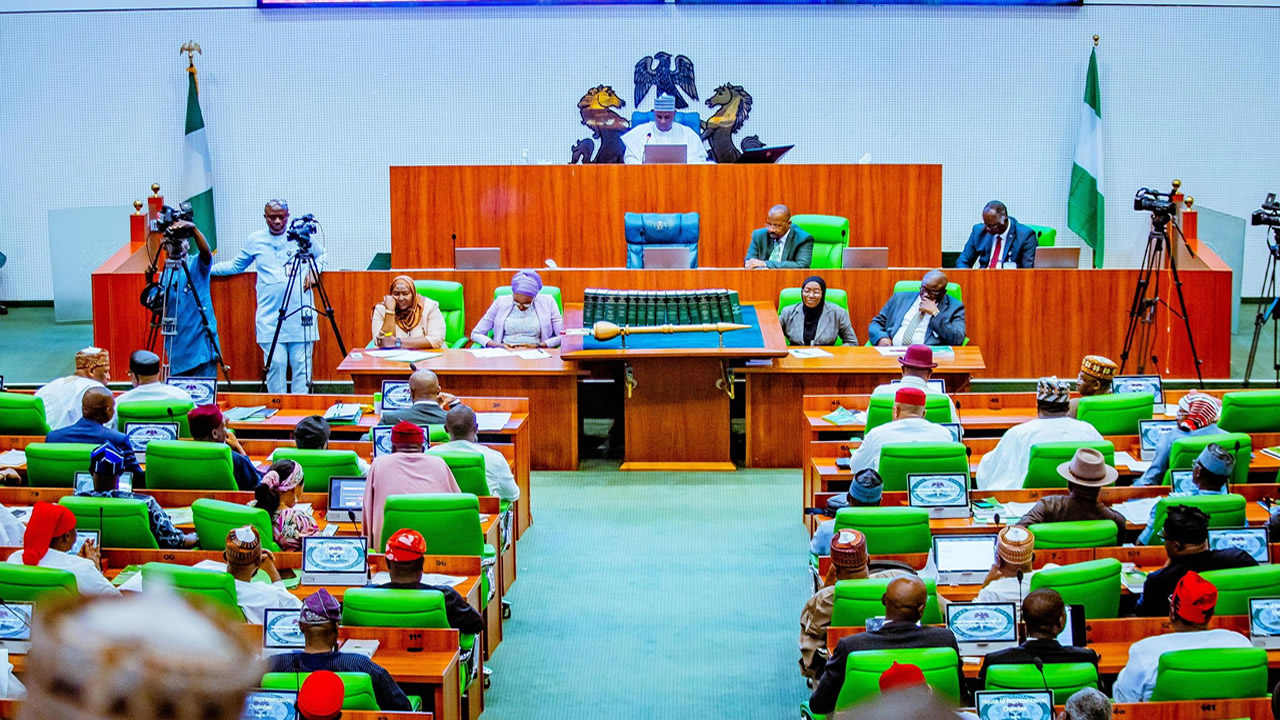
The lawmakers and stakeholders in the country’s disease control sector made the call on Tuesday at a one-day public hearing on the Ebola outbreak in Nigeria, held in Abuja.
Declaring the hearing open, Speaker of the House of Representatives, Tajudeen Abbas, said public health security was inseparable from national security, warning that developments in other countries could quickly pose serious threats to Nigeria.
Represented by Edo State lawmaker, Billy Osawaru, Abbas said the Ebola outbreak in parts of Africa and the recent confirmation of an imported case in Nigeria underscored the need for a robust and sustained national response to emerging health threats.
“The outbreak of Ebola Virus Disease in parts of Africa and the recent confirmation of an imported case in Nigeria remind us that public health security is inseparable from national security. Our preparedness, therefore, must never be determined by the absence of an immediate threat,” he said.
The Speaker said the Federal Government, through the Federal Ministry of Health and Social Welfare, the Nigeria Centre for Disease Control and Prevention (NCDC) and other relevant institutions, had activated emergency response mechanisms, strengthened disease surveillance and contact tracing, and intensified measures to prevent further transmission.
He added that the establishment of a Presidential Task Force and the approval of emergency funding demonstrated the government’s recognition of the importance of safeguarding public health.
However, Abbas cautioned that the successful evacuation of the confirmed imported case and the absence of established onward transmission should not lead to complacency but should reinforce the need for stronger preventive measures.
“The experience of the 2014 Ebola outbreak demonstrated that early detection, decisive intervention and effective coordination can make the difference between containment and a national health emergency,” he said.
He said the public hearing was convened to assess the adequacy of Nigeria’s preparedness, examine the effectiveness of existing institutions and determine whether the country had the necessary legal, financial and operational frameworks to respond effectively to public health emergencies.
According to him, the exercise would also enable ministries, departments and agencies, public health professionals, development partners and other stakeholders to assess the country’s response capacity and identify areas requiring urgent intervention.
Abbas said lawmakers would scrutinise the capacity of Nigeria’s disease surveillance systems to detect emerging threats early, as well as the readiness of laboratories, isolation centres and emergency response infrastructure.
He identified the training and provision of protective equipment for healthcare workers, screening at airports and other ports of entry, monitoring of border communities and effective inter-agency coordination as critical components of an effective disease control strategy.
“Disease containment cannot be the responsibility of the Federal Government alone. It requires a coordinated national response in which every tier of government understands its obligations and possesses the capacity to fulfil them,” he said.
On funding, the Speaker stressed the need for timely disbursement and transparent utilisation of emergency health funds, noting that the effectiveness of Nigeria’s preparedness would depend largely on the availability of resources and the ability of relevant institutions to deploy them efficiently.
He also underscored the importance of public communication in managing disease outbreaks, warning that misinformation could undermine containment efforts and trigger unnecessary panic.
“Nigerians deserve accurate, timely and consistent information from trusted public institutions. Public enlightenment must therefore be an integral part of our preparedness strategy,” he said.
Abbas clarified that the hearing was not intended to create unnecessary public anxiety, stressing that there were no active cases of Ebola Virus Disease in Nigeria at the time of his address.
He assured stakeholders that the House would carefully consider submissions and recommendations from the hearing and pursue appropriate legislative interventions to address identified gaps.
In his remarks, Chairman of the Joint House Committees on Infectious Diseases, Healthcare Services, Aviation and Interior, Amobi Ogah, said the lawmakers were seeking detailed explanations from relevant agencies on the measures taken to contain the disease and their plans to prevent future outbreaks.
Ogah said particular attention would be paid to screening arrangements at airports and other points of entry, given the possibility of infected persons entering the country through international travel.
He recalled that the House had called on the executive arm of government to strengthen preventive and emergency medical measures against the spread of Ebola following public concerns over the outbreak.
“This public hearing is therefore intended to bring critical stakeholders to the forefront of containment measures against the Ebola virus in Nigeria, and to inform Nigerians what they have done and what they intend doing to keep Nigerians safe from the Ebola virus outbreak,” he said.
The Director-General and Chief Executive Officer of the NCDC, Dr Olajide Idris, called for sustained legislative support for disease surveillance, prevention and control.
Idris commended the establishment of the Presidential Task Force and the prompt response by relevant stakeholders during the recent outbreak, stressing the importance of continued institutional support in protecting the country against infectious disease threats.
Similarly, the Controller-General of the Nigerian Correctional Service, Sylvester Ndidi Nwakuche, expressed the Service’s readiness to work with relevant agencies and stakeholders to prevent and contain the spread of Ebola.
Stakeholders at the hearing commended the National Assembly and the Federal Government for their response to the recent Ebola threat but urged authorities to sustain investment in disease surveillance, strengthen emergency response infrastructure and ensure that relevant institutions were adequately equipped to discharge their responsibilities.
The discussions underscored the need for Nigeria to move beyond emergency responses towards a sustainable public health security framework anchored on early detection, reliable funding, institutional accountability and effective coordination among government agencies.
For lawmakers, the challenge is to ensure that lessons from previous outbreaks translate into stronger surveillance systems and a response structure capable of protecting Nigerians before an emerging health threat develops into a wider public health emergency.