


1.5K
By Oscar Okhifo
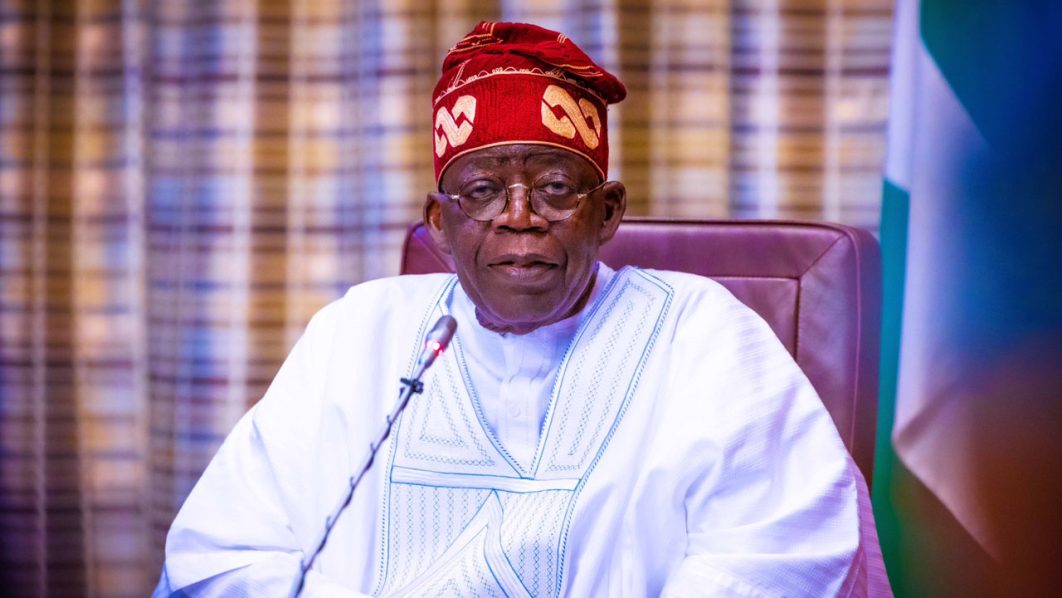
President Bola Tinubu’s Democracy Day call for bandits, kidnappers and sponsors of terrorism to surrender or face decisive military action has triggered renewed national debate over Nigeria’s approach to tackling insecurity.
The President, while reaffirming his administration’s commitment to restoring security across the country, warned that the window for voluntary surrender would not remain open indefinitely, insisting that those behind violent crimes would face the full weight of state action.
Tinubu said individuals involved in terrorism, banditry and kidnapping should lay down their arms and embrace peace, stressing that continued refusal to do so would attract intensified operations by security forces nationwide.
“To bandits, kidnappers, and sponsors of terror: Surrender or face the full force of the Nigerian State. These windows of surrender will not remain open forever. No mercy will be shown to those who trade in the blood of Nigerians,” the President said.
The statement comes amid ongoing military operations targeting armed groups in parts of the North-West, North-Central and North-East, where insecurity has remained a major challenge despite sustained counter-insurgency efforts.
The President’s remarks have generated mixed reactions across the country, with some Nigerians expressing concern over what they view as the continued reliance on surrender opportunities and rehabilitation pathways for armed groups.
Speaking during a radio programme, one caller criticised the approach, arguing that terrorist groups and bandits responsible for years of killings, kidnappings and displacement should be confronted with decisive force rather than being offered repeated chances to surrender.
The caller questioned the continued use of initiatives such as amnesty and Operation Safe Corridor, saying prolonged attacks on communities, widespread ransom payments and the destruction of livelihoods have caused severe human and economic losses.
Over time, many Nigerians have also raised concerns about what they describe as the state’s perceived leniency toward individuals responsible for sustained violence, questioning when the government will more forcefully assert its authority in dealing with armed groups.
Some critics also expressed disappointment that the President did not signal a shift away from existing reintegration and rehabilitation frameworks for repentant fighters, arguing that stronger deterrent measures may be necessary to curb ongoing insecurity.
However, analysts note that Nigeria continues to operate a dual approach combining military pressure with deradicalisation and reintegration programmes as part of its broader security strategy.
The debate highlights the persistent divide among Nigerians over the most effective method of addressing banditry, kidnapping and terrorism, as the country continues to grapple with complex security challenges.