


1.8K
By Oscar Okhifo
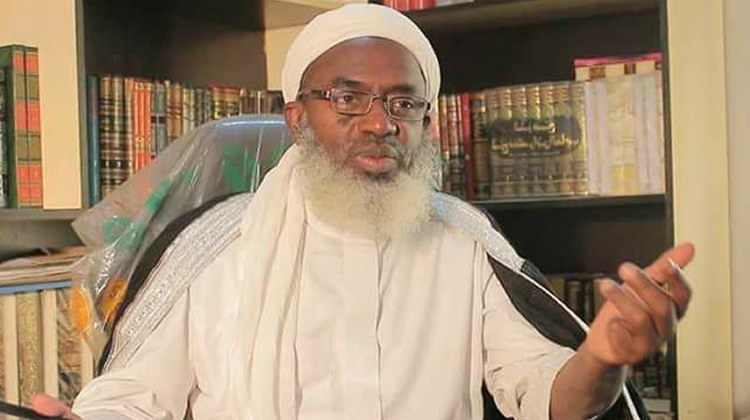
The Centre for Convention on Democratic Integrity (CCDI) has sharply rebuked Islamic cleric Ahmad Gumi for praising Iran’s late Supreme Leader, Ali Khamenei, calling the tribute “misguided and inflammatory” just days after the Ayatollah’s reported death in a joint United States, Israeli airstrikes.
In a statement released on Monday via his X and Facebook platforms, CCDI President Olufemi Aduwo said portraying Khamenei as a symbol of justice ignores decades of repression and destabilising foreign policy under his rule.
Gumi had described the Ayatollah as dying “in Allah’s cause,” defending oppressed people in Iran and Gaza, including women and children, whom he said had been killed by enemies of the Islamic faith.
He called Khamenei a martyr whose death would inspire transformation across the Muslim Ummah.
Aduwo countered that such rhetoric romanticizes a “theocratic autocrat” whose 37-year reign entrenched authoritarianism rather than equity.
Khamenei assumed office as Iran’s Supreme Leader in 1989 following the death of Ruhollah Khomeini and remained the country’s highest political and religious authority for nearly four decades.
During his tenure, Iran faced longstanding accusations from Western governments over support for armed non-state actors across the Middle East.
The United States designated Iran a state sponsor of terrorism in 1984, a designation that persisted throughout Khamenei’s leadership.
According to Aduwo, Iran’s Islamic Revolutionary Guard Corps (IRGC), particularly its Quds Force, expanded Tehran’s regional influence by backing groups such as Hezbollah in Lebanon, Hamas and Palestinian Islamic Jihad in Gaza, the Houthi movement in Yemen, and Shiite militias in Iraq and Syria.
He cited successive U.S. State Department reports alleging Iran provided funding, training, and weapons to these groups, allegations Tehran has consistently denied or framed as support for legitimate resistance movements.
Aduwo warned that celebrating Khamenei’s legacy risks “whitewashing a record of state-sponsored terror” and could embolden extremist sentiments beyond the Middle East, including in Nigeria.
Gumi has long been a controversial figure in Nigeria. Many citizens have criticized him as a careless talker, questioning why his statements have often gone unchecked.
Some have remarked that if he were an Igbo man, he “would long have been captured and caged,” reflecting frustrations over perceived double standards in public accountability.
“Authentic progress for the Ummah lies not in idolizing despots,” Aduwo said, “but in repudiating their tyrannical paradigms.”
The statement adds to ongoing national conversations about foreign ideological influence, responsible leadership, and the role of public commentary in shaping Nigeria’s democratic values.