


649
By John Azu
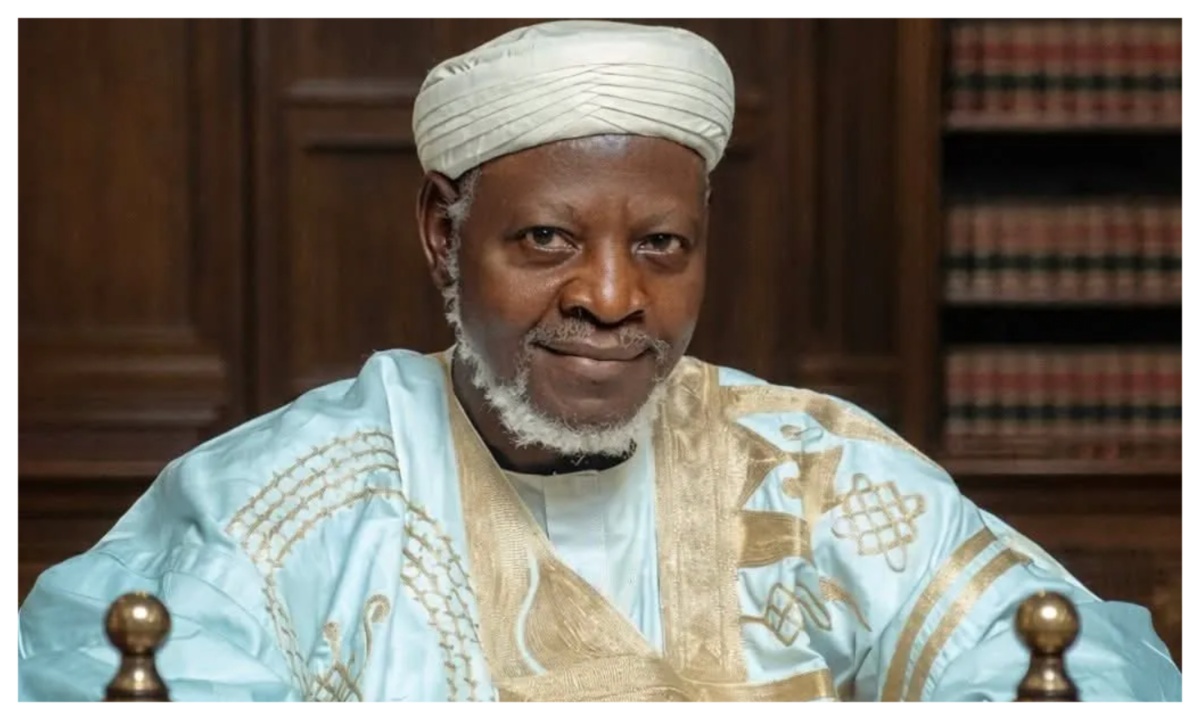
An Islami cleric, Sheikh Sani Zaria, told has investigators that he warned the alleged coup plotters that the plan would fail and that they would eventually be exposed after being made aware of it.
His confession was contained in a recorded statement he made with investigators, which was played back before a Federal High Court in Abuja on Monday.
Sani Zaria is among the six individuals currently facing trial over the attempted coup plot before the court.
Others are former Governor of Bayelsa State Timipreye Silva, who is said to be at large; Major General Mohammed Ibrahim Gana (retired); retired Navy Captain Erasmus Ochegobia Victor, Inspector Ahmed Ibrahim, Zekeri Umoru, and Bukar Kashim Goni.
Sani Zaria said he became acquainted with the alleged ringleader, one Colonel Maaji for less than a year and was approached through a man identified as Sanda for prayers concerning the alleged coup plot.
According to him, Sanda informed him that his “oga” intended to stage a coup and needed spiritual prayers and divination regarding its success.
The cleric told a military Special Investigation Panel that after conducting prayers, he informed them the operation would fail and that two persons would eventually betray those involved.
He said a message was later relayed back to him through Sanda requesting further prayers so that the two individuals would not betray the group.
The defendant further stated that money was subsequently sent to him for prayers and charity, while names of individuals allegedly involved in the plot were also forwarded to him for inclusion in the prayers.
He said shortly after the prayers commenced, Sanda informed him that Colonel Maaji had not been seen for four days, adding that he later learnt through media reports that arrests had been made over an alleged coup plot.
In the video, Sani maintained that the funds transferred to him were not payments for supporting a coup but were meant for prayers, adding that although he was aware of the coup, he didn’t know who to report to.
The defendant narrated that he was eventually arrested after visiting the Economic and Financial Crimes Commission (EFCC) over restrictions placed on his bank account.
According to him, he had gone to withdraw from the money transferred to him when he discovered that the account had been flagged.
After the video, the prosecution counsel sought to tender the extra-judicial statements allegedly made by the defendants to the military panel but defence lawyers objected to the move, contending that the videos were not admissible in evidence as they were not obtained voluntarily as provided by sections 15 and 17 of the Administration of Criminal Justice Act (ACJA).
Further, their request for separate trial-within-trial to ascertain the authenticity of the videos, was opposed by the prosecution counsel.
In a ruling, Justice Joyce Abdulmalik ordered a joint trial-within-trial to determine the voluntariness and admissibility of both the written and video statements of all six defendants.
She fixed May 12 for the continuation of proceedings.