


142
By Godswill Michael
The Federal Ministry of Agriculture and Food Security has partnered with the European Union and its member states to launch a ‘Twinning Project’ aimed at strengthening Nigeria’s agricultural value chains and advancing food sovereignty.
The initiative, unveiled in Abuja on Wednesday, is a strategic collaboration involving the EU and member countries including the Czech Republic, Austria, and Latvia. It is designed to support Nigeria’s transition to a more resilient and sustainable agricultural system through the deployment of climate-smart technologies and institutional capacity building.
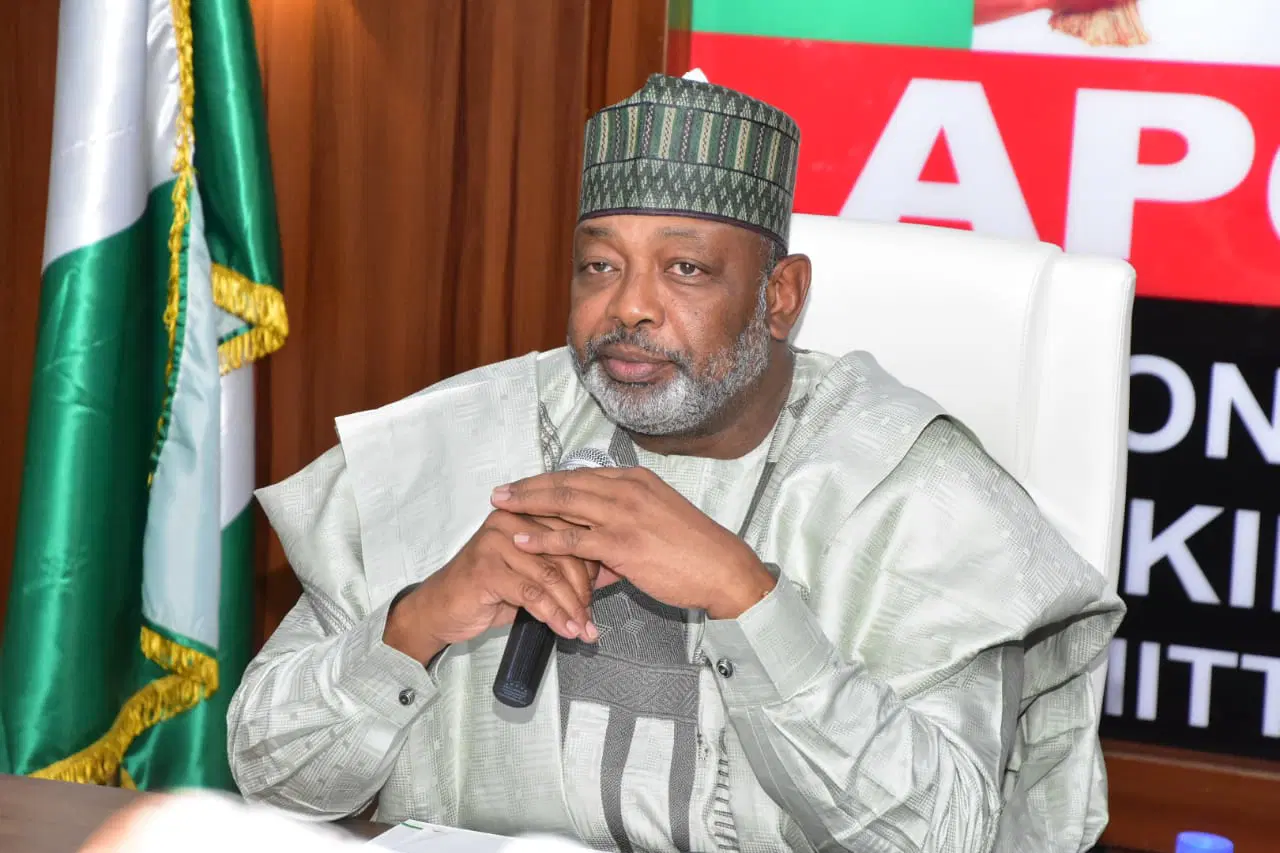
Speaking at the launch, the Minister of Agriculture and Food Security, Senator Abubakar Kyari, represented by the Minister of State, Senator Aliyu Sabi Abdullahi, described the project as a milestone in Nigeria’s agricultural transformation agenda.
He noted that the initiative aligns with the Federal Government’s broader goal of repositioning agriculture as a driver of economic growth, job creation, and food security.
Nigeria’s agricultural sector remains central to its economy, employing a large share of the population, yet it continues to face structural challenges including low productivity, weak value chains, post-harvest losses, and increasing vulnerability to climate change. These constraints have persisted despite various policy interventions, often due to gaps in implementation, limited institutional capacity, and weak coordination across the value chain.
According to Abdullahi, “the Twinning Project is designed to advance climate-smart agriculture and strengthen sustainable food systems in Nigeria,” adding that it will reinforce ongoing interventions such as irrigation development, dry-season farming, mechanisation, and improved access to inputs including fertilisers and climate-resilient seeds.
He disclosed that the project would support a comprehensive review of the National Agricultural Resilience Framework (NARF) and align Nigeria’s agricultural policies with global best practices. “It will also facilitate capacity building for Nigerian institutions through training programmes, study visits, and technical exchanges,” he said.
In his remarks, the EU Ambassador to Nigeria and ECOWAS, Gautier Mignot, said the partnership seeks to bridge the gap between policy formulation and implementation in Nigeria’s agricultural sector.
“Addressing food insecurity requires not only investment but strong institutions and effective policies. This project will identify key gaps and provide practical recommendations that translate into real improvements for farmers, agribusinesses, and rural communities,” Mignot stated.
He added that by strengthening institutional frameworks and promoting climate-smart practices, the initiative is expected to boost productivity, reduce post-harvest losses, and mitigate environmental risks.
He also noted that the programme aligns with the EU’s broader priorities of supporting climate-resilient agriculture, inclusive growth, and job creation, particularly for youth and women.
In recent years, the Federal Government has intensified efforts to improve agricultural productivity through investments in irrigation, mechanisation, digital agriculture, and enhanced access to inputs. However, translating these policies into measurable outcomes has remained a key challenge, underscoring the need for stronger institutional frameworks and international technical collaboration.
Director of Planning and Policy Coordination at the ministry, Ibrahim Tanimu, emphasised the importance of the collaboration in bringing together technical expertise from European institutions and Nigerian professionals.
He said the project would focus on critical areas of agricultural policy and climate-smart development to enhance resilience across the sector.