


466
By Tracy Moses
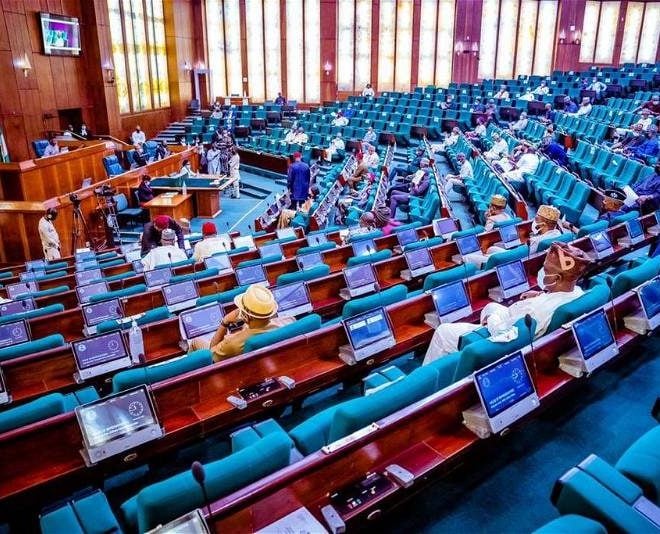
The House of Representatives Committee on Renewable Energy on Tuesday issued a final warning to the Managing Director of the Rural Electrification Agency (REA), Abba Abubakar Aliyu, and the Head of the Nigeria Electrification Programme (NEP), Olufemi Akinyelure, following their repeated absences from committee summons.
The committee is conducting an in-depth investigation into grants, loans, and investments in Nigeria’s renewable energy sector from 2015 to 2024, focusing on the disbursement of funds, project execution, and adherence to statutory and financial regulations. At the resumed hearing in Abuja, Committee Chairman Hon. Afam Victor Ogene expressed frustration over what he described as persistent non-compliance by the agency’s leadership.
Ogene warned that if the officials fail to appear on Thursday, March 5, 2026, at 2 p.m., the committee would exercise its constitutional authority to compel their attendance. “The MD of the Rural Electrification Agency, despite his repeated attempts to evade this committee, will not escape accountability,” he said.
He added, “The Constitution clearly empowers this House committee to enforce appearance. In a gesture of goodwill, we are issuing one final invitation for them to be present on Thursday, the 5th of March 2026, at 2 p.m. Should they fail, the committee will have no choice but to issue a warrant for their arrest.”
Ogene stressed that the investigation aligns with the National Assembly’s mandate to ensure transparency and accountability in the management of public and donor funds, especially in a sector vital to rural development and national economic growth. Meanwhile, a jurisdictional dispute has arisen within the House over which committee holds primary oversight of the REA.
In a letter dated February 27, 2026, the Chairman of the House Committee on National Rural Electrification Agency, Hon. Muhammad Ibrahim Bukar, asserted that his panel is “the duly constituted Standing Committee of the House of Representatives charged with primary oversight of the REA, covering its financial operations, grants and loans management, project implementation, and institutional performance.”
The letter emphasized that while the Renewable Energy Committee handles overall sector policies, the operational, financial, and administrative affairs of the REA—including project execution, grant utilization, and deployment of renewable energy initiatives, fall exclusively under Bukar’s committee.
Bukar directed the agency to route all legislative communications exclusively through his committee, avoid parallel interactions with other panels on REA matters, and refer any external committee correspondence relating to REA operations for proper coordination.
He cautioned that conducting overlapping inquiries could disrupt institutional processes and create unnecessary tensions, noting that the House’s current committee framework of over 120 specialized panels was designed to prevent such overlaps.