


831
By Lizzy Chirkpi
The Pan Niger Delta Forum (PANDEF) Reconciliation Committee on Rivers State has issued a strong appeal for peace, warning that the lingering political crisis in the state poses a serious threat not only to Rivers State but to national stability and democratic conscience.
The appeal was made on Monday, January 12, 2026, at the formal inauguration of the Committee in Port Harcourt. Former Attorney-General of the Federation, Chief Godwin Kanu Agabi, SAN, CON, who chairs the panel, delivered the keynote statement.
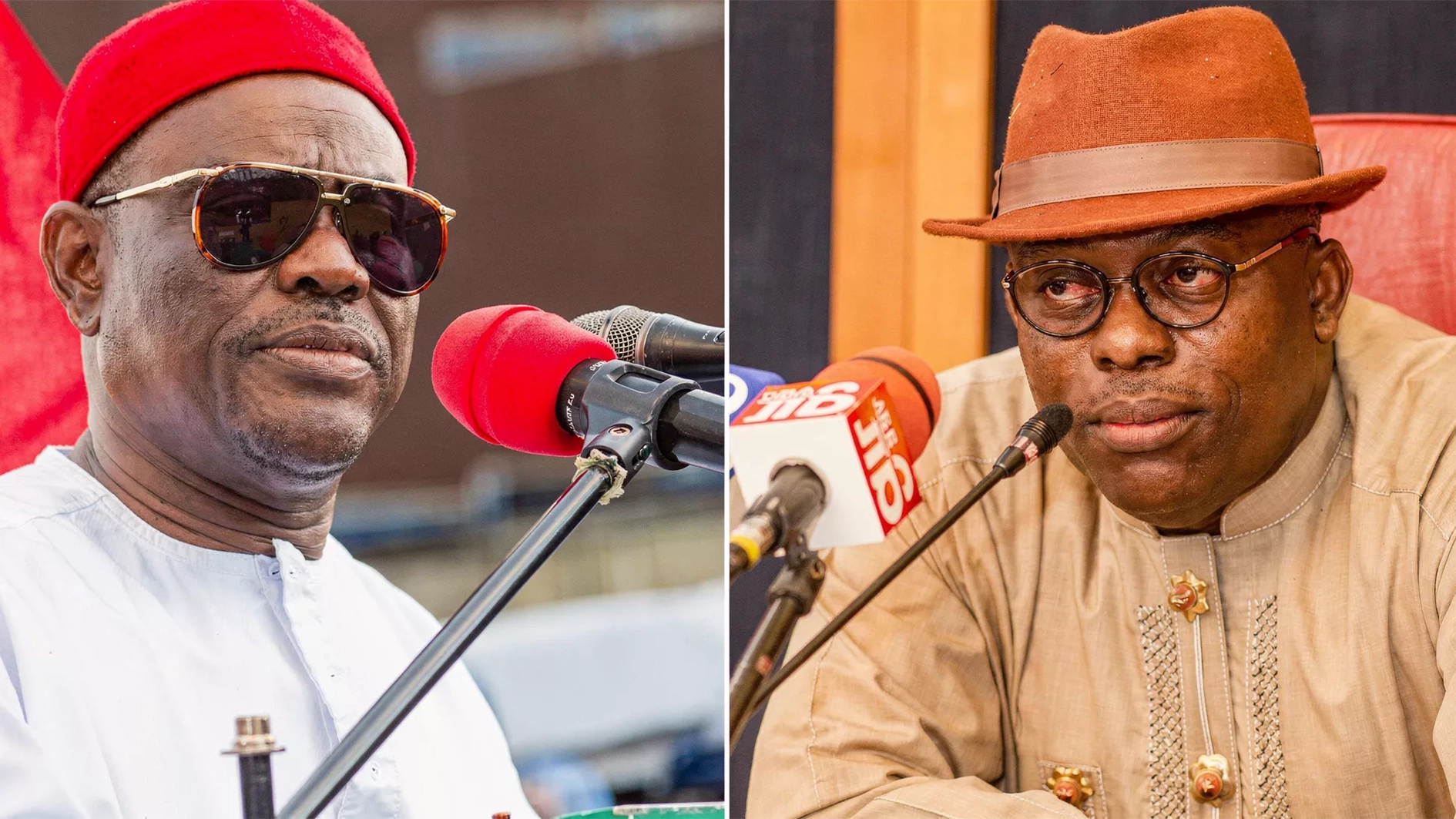
Rivers State has in recent months been gripped by a deep political standoff involving Governor Siminalayi Fubara, Minister of the Federal Capital Territory (FCT) and former Governor Nyesom Wike, and the Rivers State House of Assembly.
The crisis, marked by legislative paralysis, rival power centres, and open political confrontation, has generated widespread national concern and prompted PANDEF—the umbrella socio-political organisation of the South-South—to intervene through a high-powered reconciliation committee.
Speaking at the inauguration, Agabi described the assignment as a solemn responsibility, expressing gratitude to God and PANDEF’s leadership, particularly the Chairman of the Board of Trustees, Ambassador Godknows Igali, and elder statesman King Alfred Papapraye Diete-Spiff, whom he described as a symbol of sacrifice and unity in the Niger Delta.
He warned that allowing the crisis to persist would undermine public confidence in governance and leadership.
“We cannot afford to stand by and do nothing or pass by on the other side as Rivers State struggles with issues of political power,” he said, drawing a vivid analogy, “Let the parties not be as the Clam and the Oyster who left the depths of the sea to fight on the shore, only to be picked up by a fisherman and made a meal of. May it not be so with Rivers State.”
Agabi stressed that the dispute is essentially an internal family matter that can be resolved without external coercion if the actors involved demonstrate humility and goodwill.
“If they have offended one another, they must be humble enough to apologize and to forgive. It is in forgiving that true greatness can be found,” he said.
He cautioned against dismissing moral and spiritual appeals as weakness, warning that the exclusion of God from public life has damaged the nation.
“Whether we are governors or ministers or legislators, it is to God that we owe our appointments. And it is to Him that we shall, in the end, render account,” Agabi added.
In a deeply personal segment of his address, Agabi spoke about his relationships with the principal figures in the crisis.
Describing Minister Nyesom Wike as “my friend, my benefactor… a man I love and respect,” he praised Wike’s record as governor and his performance as FCT Minister, insisting that his political legacy is already secure.
“The mighty hand of God is upon him, and that great hand demands that he should lead this reconciliation,” he said.
Agabi also affirmed his long-standing bond with Governor Siminalayi Fubara, recalling his role in defending Fubara’s election mandate.
“I trust him to respect that bond,” he said.
Turning to the Rivers State House of Assembly, Agabi expressed confidence in the patriotism of the lawmakers while urging them to show restraint in the interest of peace.
“It is in forgiving the Governor whatever wrongs he has committed that they will show their public spirit and maturity,” he said.
He further acknowledged the stabilising role of the President in managing national tensions, noting that in a plural society, “discordant voices will always be heard,” but expressed confidence that the President would “recognize the clear ring of truth.”
Agabi concluded by emphasising that the Committee’s mandate is not to apportion blame but to foster reconciliation.
“We are not appointed to sit in judgment. Our duty is to appeal. We urge them, we beg them, we appeal to them. Sacrifices are called for. Make them, and let there be peace,” he said.
The political crisis in Rivers State has its roots in the breakdown of relations between Governor Siminalayi Fubara and his predecessor, Nyesom Wike, who is now Minister of the Federal Capital Territory. Fubara, a former Accountant-General of the state, was widely seen as Wike’s political protégé and beneficiary of his strong political structure during the 2023 governorship election.
Tensions began to surface months into Fubara’s administration amid disputes over control of party structures, governance style, and the autonomy of the governor from his predecessor’s influence. The crisis escalated into open confrontation involving the Rivers State House of Assembly, with factions of lawmakers aligning with opposing camps, leading to impeachment threats, court actions, and repeated shutdowns of legislative activities.
The situation has drawn concern from civil society groups, traditional rulers, and national leaders, who fear that continued instability in one of Nigeria’s key oil-producing states could undermine governance, security, and economic activity in the Niger Delta.
PANDEF’s intervention is aimed at preventing further escalation, restoring political stability, and preserving the unity of the state, as stakeholders await concrete steps from the political actors involved to heed the call for reconciliation and peace.