


884
By Lizzy Chirkpi
The Senate was thrown into intense procedural wrangling on Tuesday as lawmakers held an emergency plenary to reverse a controversial provision in the Electoral Act Repeal and Enactment Bill, 2026, amid growing public outrage over fears of possible compromise of the 2027 elections.
At the centre of the storm was Clause 60(3) of the bill the section regulating how results from polling units should be transmitted, collated and declared which had sparked nationwide criticism following changes perceived as diluting safeguards introduced in the 2022 Electoral Act.
The session was convened to reconsider the clause after mounting political pressure and public distrust.
Leading the move for rescission, Senator Mohammed Monguno (APC, Borno North) invoked Orders 1(b) and 52(6) of the Senate Standing Orders to reverse the earlier decision and recommit the provision to the Committee of the Whole for fresh consideration.
He told the Senate that although the bill had been passed on February 4, 2026, serious concerns had since emerged.
“Upon careful examination of the bill, pressing issues have emerged in respect of Clause 60(3), which require further legislative consideration in order to ensure the conduct of smooth, transparent and credible elections in Nigeria,” Monguno said.
The motion immediately triggered sharp disagreements, with some senators arguing that it could not be entertained while the Votes and Proceedings from the previous sitting were still being considered.
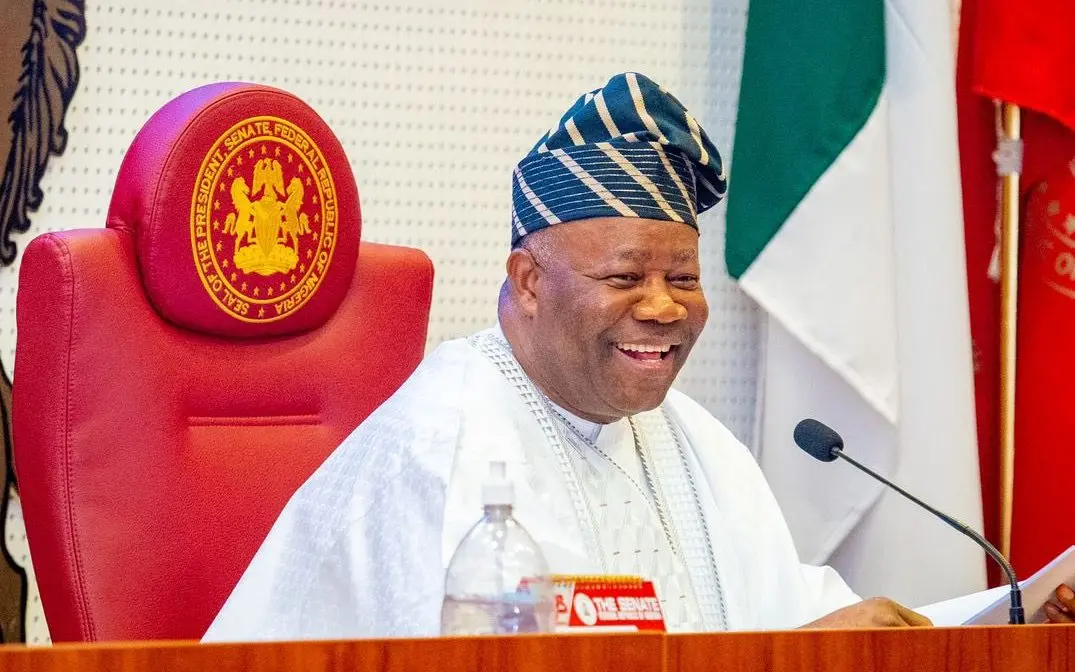
However, Senate President Godswill Akpabio ruled that Monguno’s invocation of Order 1(b) which allows the suspension of normal procedures in urgent situations had already been approved by voice vote.
“He has invoked Order 1(b), it was put to vote and it was agreed. So it should continue,” Akpabio ruled.
As debate continued, Monguno explained that public anger stemmed from the earlier replacement of the word “transmission” with “transfer” in the clause, a change many Nigerians feared could open loopholes for manipulation.
According to him, the new amendment was designed to eliminate ambiguity and rebuild confidence in the electoral system.
“The Senate, being an embodiment of the representative will of the people, will always act in consonance with the wishes and aspirations of the people,” he said. “This amendment is to ensure that our laws reflect those wishes and aspirations.”
The revised clause now explicitly provides that presiding officers at polling units “shall electronically transmit the results from each polling unit to the INEC Result Viewing (IReV) portal” after Form EC8A is signed and stamped.
It further provides that where electronic transmission fails due to network or communication challenges, the signed result sheet will serve as the primary basis for collation and declaration.
Despite the clarification, tension persisted as several senators questioned whether the controversial wording had even been properly captured by the Clerk during the previous sitting.
Senator Abass Aminu (APC, Kebbi Central), who seconded the motion, described the development as “the beauty of democracy,” insisting the Senate had the right to correct itself in the public interest.
When the motion was put to a voice vote, the “Ayes” prevailed, but drama followed immediately.
Senator Enyinnaya Abaribe (Abia South) rose under Order 72 to challenge the ruling as the House demanded a division for a formal vote that would have required individual senators to be recorded.
The move heightened anxiety in the chamber, but moments later, Abaribe withdrew the request, allowing the voice vote decision to stand.
Attempts by Senator Danjuma Goje (APC, Gombe Central) to make a personal explanation were also ruled out of order for failing to meet procedural requirements.
With the immediate dispute contained, the Senate turned to the harmonisation process with the House of Representatives, expanding its Conference Committee on the Electoral Bill from nine to twelve members to ensure parity.
Senator Simon Bako Lalong was appointed chairman, alongside Senators Monguno, Abubakar Kyari, Abass Aminu, Tokunbo Abiru, Adeniyi Adegbomire (SAN), Jibril Isa Ochacho, Banigo Ipalibo and Nwebonyi.
Meanwhile, Sen. Akpabio expressed hope that the committee would conclude its work quickly.
“If you are able to conclude within the next few days or one week, the President should be able to sign this amended Electoral Bill within this month.” he said.
The 2022 Electoral Act introduced mandatory electronic transmission of polling unit results to the INEC Result Viewing Portal (IReV), a reform widely credited with boosting transparency and reducing manipulation.
Recent alterations in the new Electoral Act Bill particularly the controversial wording of Clause 60(3) triggered fears that lawmakers were rolling back those gains, sparking protests and criticism across the country.
Tuesday’s dramatic plenary highlights both the political sensitivity of electoral reforms and the intense public scrutiny facing the National Assembly.