


605
By Lizzy Chirkpi
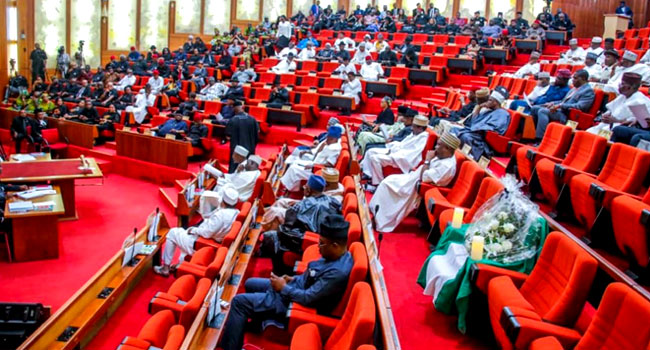
The Senate has began a fresh legislative process to amend the Electoral Act 2022 amid growing concerns that the February 2027 general elections may coincide with major religious periods observed by Muslims and Christians.
The move followed the release of the 2027 election timetable by the Independent National Electoral Commission, which scheduled the presidential and National Assembly polls for February in line with existing legal provisions.
During plenary on Tuesday, Senate leaders disclosed that Muslim groups had formally reached out to INEC, warning that the proposed election date would fall within the Ramadan fasting period in 2027. Lawmakers also noted that the Christian Lenten season is expected to extend into March that year, potentially overlapping with the broader election calendar.
Presenting the motion, Senate Leader Opeyemi Bamidele explained that although the amendment bill had earlier been passed, INEC’s timetable was anchored on the legal requirement that mandates the commission to issue election notices at least 360 days before polling day.
He said this statutory provision effectively fixed the elections in February 2027, leaving INEC with no room to make adjustments unless the law itself is revised.
“We are here today to further amend the relevant sections of the Electoral Act to allow INEC review its timetable in response to the concerns raised,” Bamidele told senators.
“Time is already against us. Without this intervention, the commission is legally bound to maintain the February date.”
He stressed that the initiative was not driven by political interests but by the need to ensure fairness, inclusiveness, and full participation in the electoral process.
Lawmakers warned that holding elections during periods of intense religious observance could negatively affect voter turnout, election logistics, security deployment, and stakeholder engagement, ultimately undermining the credibility of the polls.
To proceed, the Senate invoked its rescission powers under the Standing Rules, which allow previously concluded matters within a legislative session to be reopened through a formal motion. This reversed an earlier resolution passed on January 26 that had closed deliberations on the amendment bill.
Beyond the election notice timeline, the chamber also identified multiple technical errors and inconsistencies in several clauses of the bill, as well as in its long title. Senators said these drafting flaws could create legal confusion if left uncorrected.
“These scrivener’s errors must be fixed to ensure clarity and prevent conflicting interpretations that may affect implementation,” Bamidele added.
While no alternative election date has been officially proposed, lawmakers hinted that any revised schedule would aim to respect constitutional requirements while accommodating Nigeria’s religious diversity.
The 2027 general elections is the next major transition after the 2023 polls are expected to play a critical role in shaping Nigeria’s political landscape amid continuing electoral reforms.
As of press time, INEC had yet to issue an official response, though sources within the National Assembly confirmed that behind-the-scenes consultations between lawmakers and the electoral body are ongoing.
Senate leaders insist the fresh amendment is in the national interest and necessary to guarantee broad participation, public confidence, and a smooth electoral process in 2027.