


By Tracy Moses
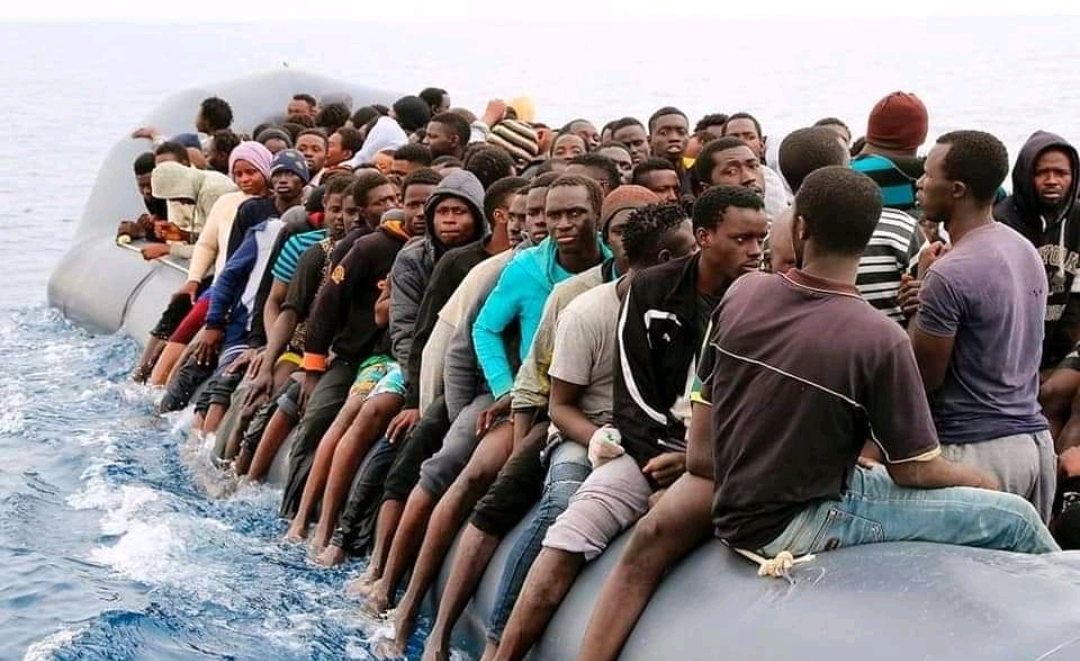
Irregular migration continues to pose a major security and humanitarian challenge in The Gambia despite intensified border enforcement, with authorities warning that increasingly sophisticated migrant smuggling networks are exploiting weaknesses in the country’s border management system.
The warning is contained in the latest operational report of the Gambia Immigration Department (GID), presented on Monday during the ECOWAS Parliament’s Sixth Legislature Parliamentary Citizen Engagement on the Dangers of Irregular Migration and Modern Slavery in Banjul.
The report highlights The Gambia’s continuing role as a country of origin, transit and destination along the Atlantic migration route, despite sustained efforts by immigration authorities to curb irregular migration.
According to the GID, organised smuggling syndicates are taking advantage of porous borders, vulnerable coastal communities and established regional migration corridors to facilitate the movement of migrants within West Africa and towards Europe.
The report also points to a rise in the number of Gambians voluntarily returning from North Africa.
According to the immigration authorities, voluntary returns increased from 466 in the first quarter of 2026 to 575 in the second quarter, with more than half of the returnees coming from Libya.
The department attributed the increase to intensified migration enforcement and rescue operations along the Central Mediterranean Route, noting that many Gambians continue to undertake the dangerous journey through Libya in search of better economic opportunities in Europe.
The report further recorded a 24.8 per cent increase in deportations from Europe during the same period.
According to the data, the number of deportees rose from 137 in the first quarter to 171 in the second quarter, with Germany and Italy accounting for nearly half of the returns.
The GID warned that deportations could increase further as European countries continue to tighten immigration policies.
The report also underscored the regional dimension of irregular migration, revealing that most migrants intercepted by immigration officials were nationals of ECOWAS member states, particularly Senegal, The Gambia, Guinea and Mali.
While adult men continued to constitute the majority of migrants, the department noted an increasing number of women and children within mixed migration flows.
Of the 2,496 migrants processed during the reporting period, 164 were minors, a trend the GID said highlights the need for stronger child protection measures and more effective action against human trafficking.
The department identified inadequate patrol and surveillance equipment, limited operational funding, weak legal frameworks and the complicity of some border communities as key factors undermining efforts to dismantle migrant smuggling networks.
Against this backdrop, the GID cautioned that migration pressures are unlikely to subside without sustained investment in border management and stronger regional cooperation.
“Current indicators suggest that irregular migration will remain high during the second half of 2026. Without sustained enforcement, intelligence gathering, community engagement and regional cooperation, migrant smuggling activities may become more organized and difficult to disrupt,” the report stated.
The findings come as ECOWAS intensifies advocacy against irregular migration and modern slavery across West Africa amid growing concern over the humanitarian toll of dangerous migration routes through the Sahara Desert and the Central Mediterranean.
Although the ECOWAS Protocol on Free Movement guarantees citizens of member states the right to travel, reside and establish businesses within the region, the bloc has consistently maintained that the protocol does not cover irregular migration facilitated by criminal smuggling networks or human trafficking syndicates.
The latest report adds to growing calls for a coordinated regional response that combines stronger border security, intelligence sharing, public awareness campaigns and expanded economic opportunities to address the root causes driving irregular migration across West Africa.