


By Lizzy Chirkpi
The Federal Government has announced plans to begin phasing out electricity subsidies from 2027 as part of sweeping reforms aimed at restoring financial sustainability to Nigeria’s power sector and addressing the mounting debt across the electricity value chain.
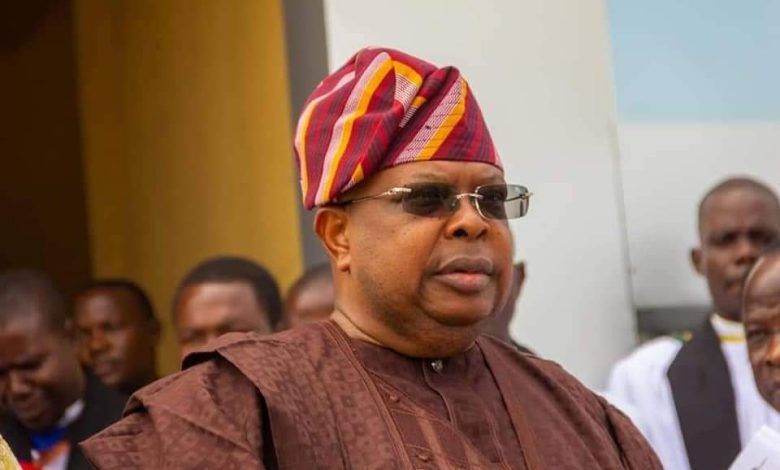
Minister of Power, Joseph Tegbe, disclosed this on Friday during a media interactive session in Abuja, where he outlined the government’s strategy for tackling the liquidity crisis in the Nigerian Electricity Supply Industry (NESI).
Tegbe said the current subsidy regime is no longer sustainable, noting that it has significantly contributed to the sector’s growing financial challenges.
“The Federal Government will begin to phase out power sector subsidies from 2027. We must move the industry to a financially sustainable footing. Government cannot continue to bear the subsidy burden indefinitely,” the minister said.
He added: “We have the mandate of Mr. President to clear the legacy debt and put in place sustainable structures to ensure this does not accumulate again.”
Assuring Nigerians that the reforms would not translate into a deterioration in electricity supply, Tegbe said the government would ensure consumers benefit from improved service delivery throughout the transition.
“I promise you, by God’s grace, next year we will begin to bring an end to this so-called subsidy in the power sector. Mr. President will not deprive Nigerians of anything. We will ensure that electricity consumers continue to enjoy improved power supply and better services,” he stated.
According to the minister, the subsidy withdrawal will be implemented gradually alongside broader reforms to improve market efficiency, strengthen transparency and attract greater private investment into the power sector.
He disclosed that the government is already taking steps to settle outstanding obligations owed to electricity generation companies (GenCos), stressing that clearing legacy debts is essential to restoring liquidity, improving operational efficiency and rebuilding investor confidence.
Tegbe also assured that the planned subsidy phase-out would be accompanied by targeted interventions to cushion the impact on vulnerable consumers, while the sector gradually transitions to a cost-reflective tariff regime.
He said the reforms are designed to ensure the long-term viability of the electricity market without compromising access to power for low-income households.
The Federal Government has consistently maintained that transitioning to cost-reflective electricity tariffs is necessary to guarantee the sustainability of the power sector while providing targeted support for economically vulnerable Nigerians.
In 2024, the government disclosed that electricity subsidies had risen to about ₦3 trillion, highlighting the increasing fiscal pressure of maintaining the current pricing regime.
Meanwhile, the Association of Power Generation Companies (APGC) recently revealed that the Federal Government owes electricity generation companies approximately ₦6.5 trillion, warning that the mounting debt poses a serious threat to the stability and sustainability of Nigeria’s electricity supply industry.