


By Godswill Michael
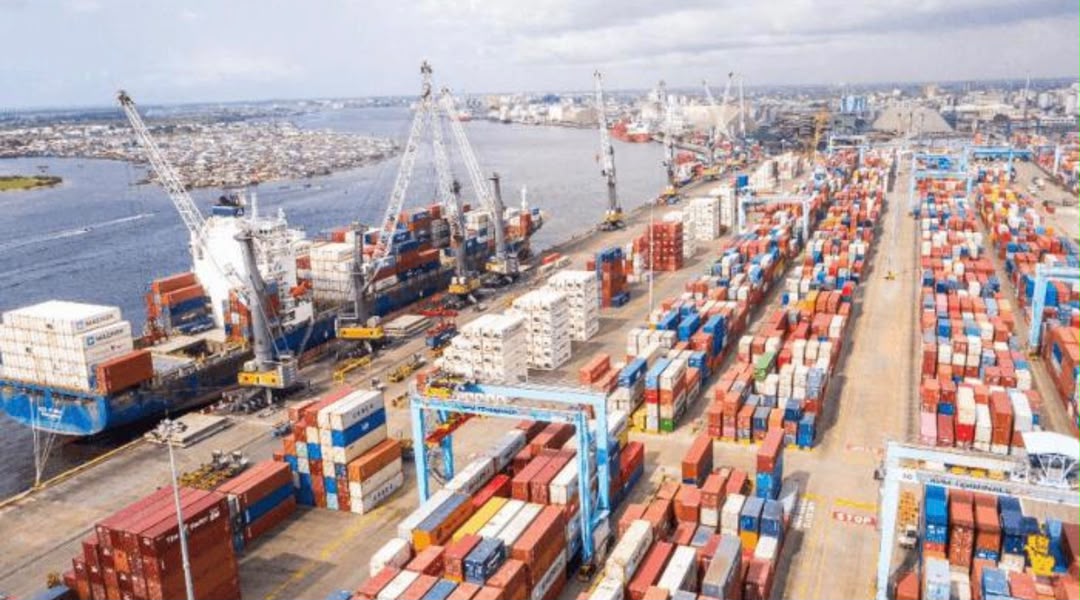
Nigeria’s seaports handled 35.74 million metric tonnes of cargo in the second quarter of 2026, representing a 12.3 per cent increase from the 31.83 million tonnes recorded in the corresponding period of 2025, according to the Nigerian Ports Authority (NPA).
The growth was accompanied by increases in vessel traffic, container movements and vehicle handling, indicating higher activity across the country’s maritime gateways.
The figures were contained in the NPA’s Operational Performance Report for Q2 2026.
The authority said the increase in cargo volumes and ship calls demonstrated the resilience of Nigeria’s ports and their capacity to facilitate trade and improve competitiveness.
“The increase in cargo volumes and ship calls underscores the continued resilience of the nation’s seaports to facilitate trade and be more competitive,” the NPA Managing Director, Dr Abubakar Dantsoho, said.
Inward cargo accounted for 56.8 per cent of total cargo handled during the quarter, while outward cargo represented 41.9 per cent. Transshipment cargo contributed 488,364 metric tonnes, or about 1.4 per cent of total throughput.
While inward cargo increased by 7.7 per cent, outward cargo recorded a stronger 22 per cent growth.
The NPA said the rise in outward cargo reflected improved export activity as the Federal Government seeks to expand non-oil exports and reduce the economy’s dependence on imports and crude oil earnings.
Vessel traffic also increased during the period. The number of ocean-going vessels completed at Nigerian ports rose from 1,050 in Q2 2025 to 1,201 in Q2 2026, representing a 14.4 per cent increase.
The Gross Registered Tonnage of the vessels rose by 22.2 per cent, from 40.87 million tonnes to 49.95 million tonnes.
Service boat operations recorded even stronger growth, with completed service boats increasing by 22.3 per cent from 3,554 to 4,347. Their associated Gross Registered Tonnage also rose by 62.4 per cent, from 1.06 million tonnes to 1.73 million tonnes.
Container traffic increased by 11.3 per cent, from 541,229 twenty-foot equivalent units (TEUs) in Q2 2025 to 602,392 TEUs in Q2 2026.
Inward laden containers increased by 6.3 per cent and accounted for about 51.5 per cent of total container traffic. Outward laden containers, however, declined by 3.9 per cent, while empty container traffic rose by 13.9 per cent.
The quarter also recorded the emergence of transshipment container traffic, with Nigerian ports handling 29,038 TEUs, compared with no recorded movement in Q2 2025.
The NPA said the development reflected “the growing importance of transshipment operations within the Nigerian port system” and could strengthen Nigeria’s position as a regional maritime hub.
“The emergence and continued growth of transshipment traffic continues to position Nigerian ports as an emerging regional transshipment hub,” the authority said, adding that sustained investment in port modernisation and engagement with shipping lines would strengthen the opportunity.
Vehicle handling also increased significantly, with 44,147 vehicles processed in Q2 2026, compared with 37,306 units in the same period of 2025, representing an 18.3 per cent rise.
The NPA attributed the increase largely to improved automobile import activity and greater exchange-rate stability.
The rise in vehicle traffic is significant for port activity because automobile imports generate demand for shipping, terminal handling, customs processing, haulage and other logistics services.
Dantsoho said the NPA would prioritise infrastructure renewal and digital reforms as part of its 2026 agenda.
He identified the modernisation of Apapa and Tin Can Island ports as the centrepiece of the programme, noting that Apapa is approaching 100 years of operation while Tin Can Island is more than 50 years old.
According to him, the NPA is also supporting the Lekki and Badagry deep-sea port projects to accommodate larger vessels, while efforts are underway to revitalise the Eastern Ports and reduce pressure on the Lagos port complex.
The authority is also prioritising the full implementation of the Port Community System to reduce manual processes and improve coordination among stakeholders.
Dantsoho said the system would integrate with the National Single Window, which commenced operations in the first quarter of 2026, to create a more unified digital trade environment.
He added that the NPA was strengthening technology-driven security for round-the-clock port operations and working with customs agents to tackle congestion and improve cargo evacuation.
“The expected impact includes faster operations, lower logistics costs, increased trade volumes, and improved export competitiveness,” Dantsoho said.
The NPA said the Q2 performance showed positive growth across most major operational indicators, including cargo throughput, vessel traffic, container movements, vehicle traffic and berth utilisation.
It said sustained growth in these areas could translate into higher trade volumes and increased port revenue, provided infrastructure upgrades, efficient cargo evacuation and digital reforms keep pace with rising activity.