


By Oscar Okhifo
The killing of scores of residents in Taraba State and recurring kidnapping attacks in parts of Edo State have reignited debate over the responsibility of political leaders to protect citizens and remain accessible to their constituents, particularly during security emergencies.
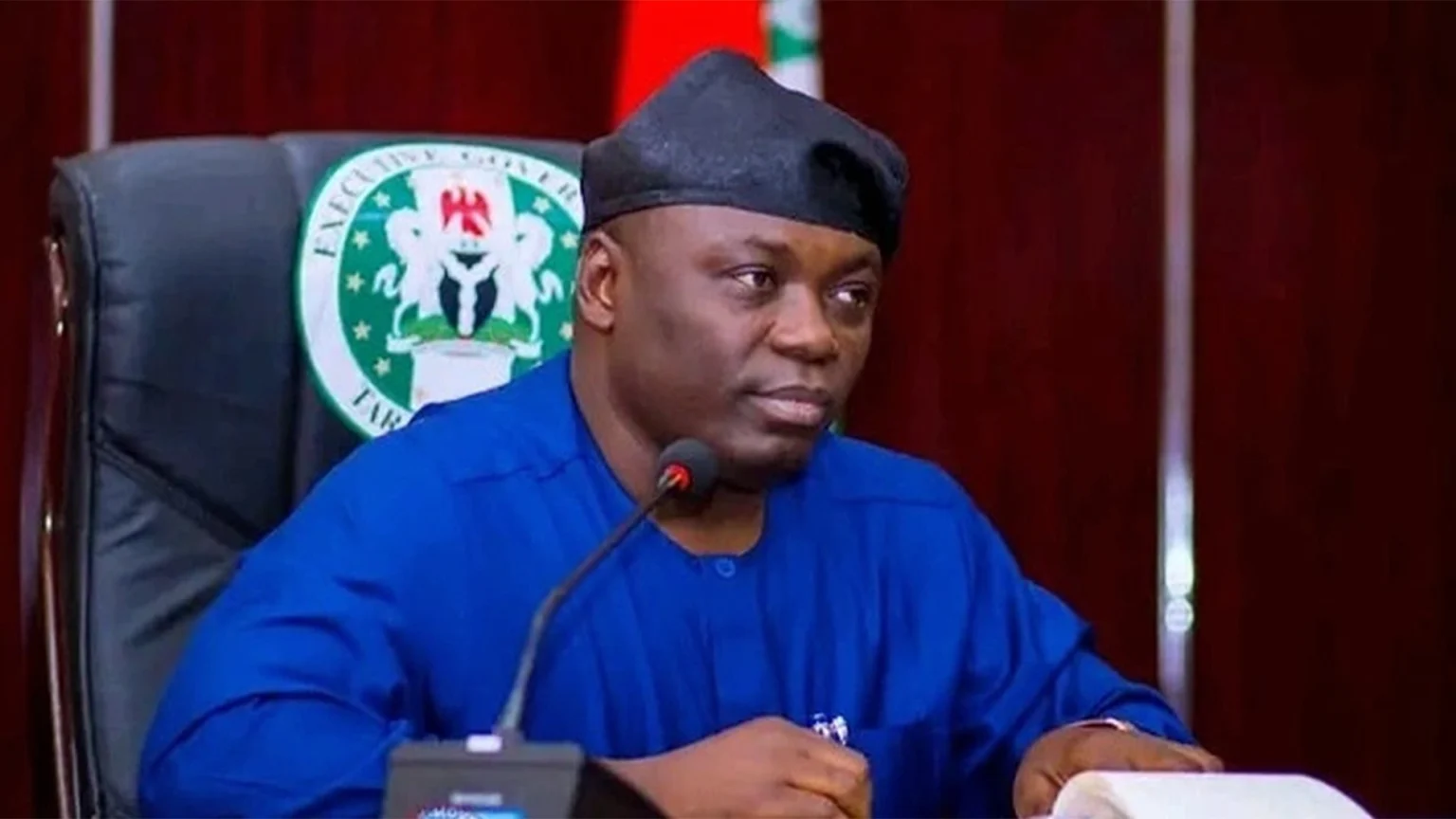
The debate followed criticism of Taraba State Governor Agbu Kefas by the National Association of Seadogs (NAS), also known as the Pyrates Confraternity, over his administration’s response to deadly attacks in parts of the state.
The association expressed concern over the killings, questioning the responsibility of elected leaders to protect lives and property and demonstrate visible leadership when communities under their watch come under attack.
The Taraba incidents, particularly reports of heavy casualties in affected communities, have once again brought Nigeria’s worsening security situation and the responsiveness of political officeholders under public scrutiny.
Beyond the immediate tragedy, however, the killings have reopened a broader conversation about whether political leaders demonstrate sufficient urgency and empathy when their constituents are confronted with killings, kidnappings and other security emergencies.
Similar concerns have persisted in Edo State, where communities including Okpekpe, Itsukwi and Imiakebu in wards 9 and 10 of Etsako East Local Government Area have experienced repeated kidnapping incidents and attacks. The incidents have claimed lives, while victims and their families have reportedly paid millions of naira in ransom.
Residents have expressed frustration over what they consider inadequate responses from some political representatives, particularly when they seek explanations or demand concrete action to address the insecurity in their communities.
Some concerned citizens say those expected to speak for them, especially at the National Assembly, are often difficult to reach or remain silent when questions are raised about the safety of their constituents.
A popular and respected clergyman in Auchi, Edo State, who spoke to this correspondent, described what he considered a growing disconnect between political representatives and ordinary citizens.
“They ignore my calls and messages most times, and even when they respond, they play down serious situations, making promises they hardly fulfil. They also ignore wise counsel.
“They don’t show up, they shield themselves from ordinary people, and their constituency offices are moribund. They may reopen them now that elections are around the corner.
“They are not responsible. There are also those who are always quick to misinterpret sincere concerns raised with the governor and heads of security agencies in the state. They twist such concerns to create malice and tensions,” he said.
The clergyman’s remarks reflect wider concerns about the accessibility of political officeholders and the channels through which citizens communicate security challenges and other pressing issues to those in authority.
For residents, the problem extends beyond the inability of security agencies to prevent attacks. They argue that political leaders must demonstrate visible concern, maintain communication with affected communities and demand accountability from the relevant security institutions.
The controversy has also revived memories of previous episodes in Nigeria’s political history when governors came under criticism over their handling of violence in their states.
One notable example was the administration of former Plateau State Governor Joshua Dariye during the violence that engulfed parts of the state in 2004.
During the deadly Yelwa violence in May 2004, Dariye was outside the country and did not immediately return as the situation deteriorated.
His absence and his administration’s response attracted widespread criticism. On May 18, 2004, then President Olusegun Obasanjo declared a state of emergency in Plateau State, suspended the governor and appointed an administrator to take charge of the state.
Obasanjo accused Dariye’s administration of failing to demonstrate the commitment and capacity required to restore peace and stability.
The episode drew comparisons with the historical account of Emperor Nero of ancient Rome, who was traditionally accused of fiddling while Rome burned. The expression has since become a metaphor for political leaders perceived to be detached from the suffering of citizens during major crises.
Although the circumstances surrounding the Plateau violence differed from the present security challenges in Taraba and Edo, the episode illustrates the enduring expectation that governors should demonstrate leadership and urgency when their states are engulfed by violence.
The question of political accountability, however, extends beyond state governors. Nigeria’s experience under successive administrations has also raised concerns about presidential conduct during national tragedies, particularly the physical presence and public response of presidents when citizens are killed.
In April 2014, barely 24 hours after the devastating Nyanya bomb blast in Abuja, which killed scores of people, former President Goodluck Jonathan travelled to Kano for a political rally organised to welcome former Kano State Governor Ibrahim Shekarau into the Peoples Democratic Party (PDP).
Jonathan’s appearance at the rally, where he was seen dancing, attracted widespread condemnation, particularly from the then opposition All Progressives Congress (APC), which accused him of insensitivity to the national tragedy.
The incident became a major political talking point, with opposition figures and other critics questioning the propriety of the President participating in a celebratory political event while the country was mourning victims of a deadly terrorist attack.
Some of those who criticised Jonathan’s conduct while in opposition have since assumed positions of power and are now confronted with similar questions about leadership responsiveness and the role of political leaders during national tragedies.
Under former President Muhammadu Buhari, another controversy emerged in May 2021 following the death of the Chief of Army Staff, Lieutenant-General Ibrahim Attahiru, and 10 other military officers in a plane crash in Kaduna State.
The officers, who died while serving the country, were buried with military honours at the National Military Cemetery in Abuja.
Buhari, however, did not attend the burial, despite being the Commander-in-Chief of the Armed Forces. He remained at the Presidential Villa in Abuja on the day of the ceremony.
His absence attracted public criticism, particularly given the rank of the deceased officers and the circumstances surrounding their deaths.
The Presidency subsequently defended the decision, with presidential spokesman Garba Shehu explaining that Buhari disliked the disruption to public movement and road closures associated with his attendance at public events.
The explanation, however, failed to convince many Nigerians and did little to end the debate over whether the President’s physical presence would have served as an important gesture of solidarity with the military and the families of the deceased officers.
Similar questions about presidential presence, urgency and empathy have continued under President Bola Tinubu, particularly as deadly attacks and other national emergencies have persisted in different parts of the country.
Critics argue that successive administrations have demonstrated a recurring pattern in which political leaders condemn the conduct of their predecessors while in opposition but face similar questions about their own responsiveness after assuming office.
The argument is not necessarily that the physical presence of a president or governor alone can prevent terrorist attacks, kidnappings or communal violence. Rather, it is that showing up during moments of devastating loss can communicate solidarity, acknowledge citizens’ suffering and demonstrate a sense of responsibility.
For many Nigerians, a disturbing aspect of the recurring tragedies is that those bearing the greatest consequences are ordinary citizens, including people who endured difficult weather conditions, travelled long distances and overcame other challenges to cast their votes for the very leaders now being called upon to protect them.
The concerns also extend to political representatives who, according to some residents, appear more accessible during election campaigns than when their constituencies are confronted with emergencies.
An Auchi resident, Malam Malik Oshobughie, expressed frustration over what he described as the growing disconnect between political officeholders and the people.
“Many are of the opinion that the public officials are doing what they like because they don’t believe that the people have the power to undo them at the ballot.
“When they trust their massive loots and capacity to rig themselves back to their positions more than the real voters, what do you expect?” Oshobughie said.
His comments reflect a wider frustration among citizens who believe that the political system has weakened voters’ ability to hold elected officials accountable.
The situation has also highlighted the importance of effective public communication during security emergencies, particularly when citizens seek information about attacks, casualties, rescue operations and government interventions.
While security operations may sometimes require discretion, observers argue that elected officials should not interpret public demands for explanations as political hostility.
The experiences of communities affected by violence also raise questions about the effectiveness of electoral accountability when citizens feel abandoned between election cycles.
The killings in Taraba and recurring insecurity in Edo therefore represent more than isolated security concerns. They have brought renewed attention to the obligations of political leaders to the people whose mandate they hold.
For many citizens, the measure of leadership goes beyond winning elections and occupying public office. It also lies in the willingness to stand with the people, respond to their concerns and demonstrate responsibility when their lives and communities are under threat.