


By Godswill Michael
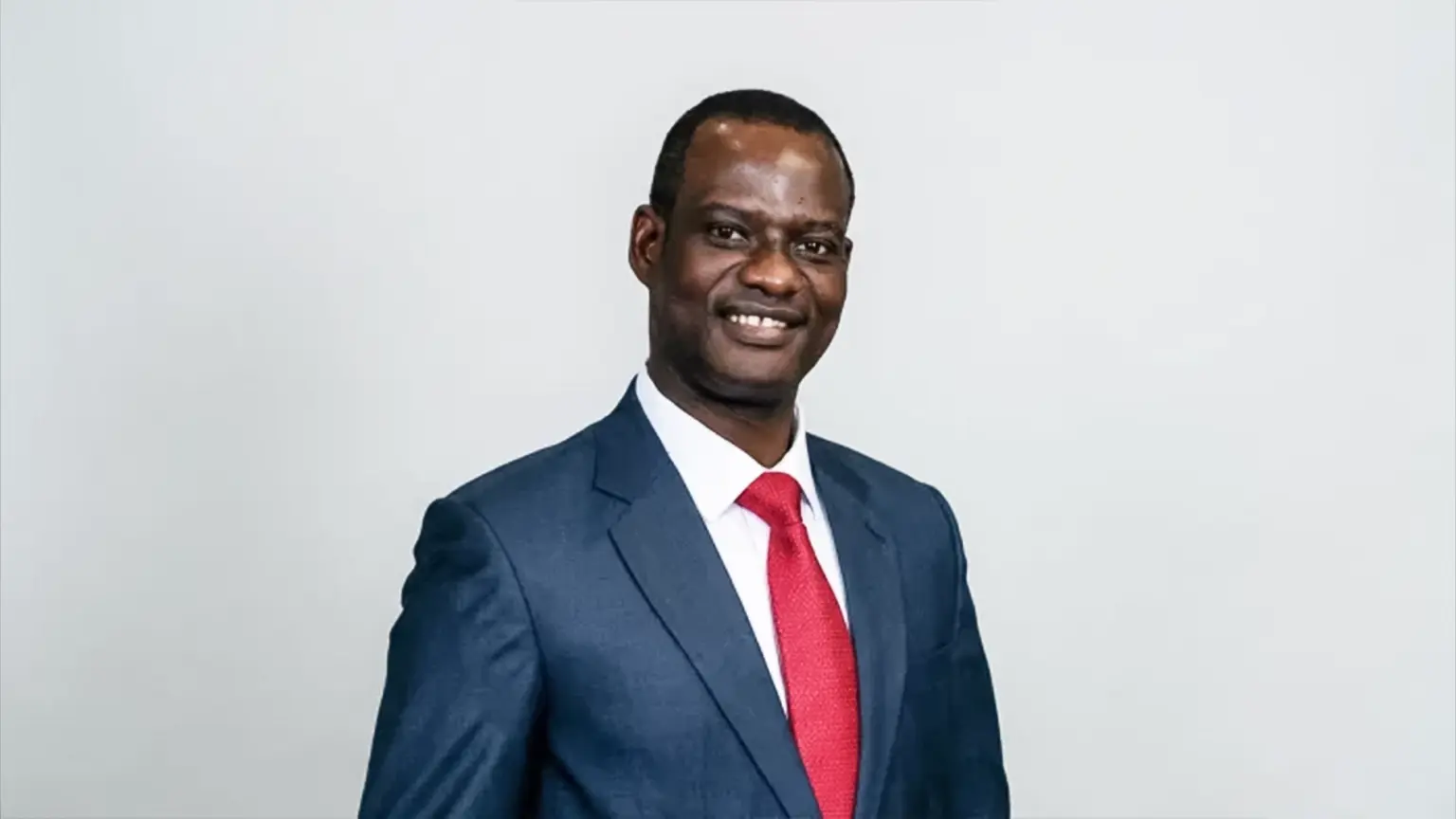
The Minister of Finance and Coordinating Minister of the Economy, Taiwo Oyedele, has dismissed suggestions that the recent reduction in petrol prices at Nigerian National Petroleum Company Limited (NNPC) retail stations signals a return to fuel subsidy, insisting that the discount is not funded with public money.
Oyedele said the price reduction resulted from NNPC Retail Limited’s decision to lower its retail profit margin and pass the savings on to consumers.
The minister stated this in a post on his X handle on Friday, explaining that the arrangement differs from the fuel subsidy regime the Federal Government ended in 2023.
“Some commentators have described the discount as a return of fuel subsidy. That is not correct,” he said.
The discount, which took effect on October 1, 2026, followed the government’s announcement of measures to reduce petrol costs and ease the burden of rising energy prices on households, commuters and businesses.
Under the arrangement, NNPC Retail reduces or temporarily waives its retail margin, enabling it to sell petrol at lower prices without government payments to cover the difference.
Oyedele explained that a retail margin discount differs from a subsidy because the retailer, rather than the government, bears the cost of the price reduction.
“A margin discount means the retailer chooses to take a smaller margin, or no margin at all for a period, and passes the saving to the customer. The cost of the discount is borne by the retailer alone,” he said.
He explained that a subsidy, by contrast, occurs when the government pays part of the price consumers would otherwise pay, using public revenue that could have been spent on salaries, schools, hospitals and infrastructure.
“That is the regime this administration ended in 2023, and it is not coming back,” he added.
The minister said the discount was not funded through the Federal Government’s budget or the Federation Account. He noted that NNPC Retail purchased petrol from the Dangote Refinery and other suppliers at market prices before applying its retail margin.
“NNPC Retail buys petrol from the Dangote Refinery and other suppliers at market prices, on commercial terms, then adds its retail margin to set the pump price. The discount comes out of that margin alone, so the discounted pump price remains market-reflective,” Oyedele said.
He warned that selling crude oil belonging to the Federation below market prices would be a different matter, as the resulting shortfall would reduce public revenue.
Oyedele also defended the discount as consistent with NNPC Retail’s mandate to promote the nationwide availability, distribution and affordability of refined petroleum products.
He said the company, a wholly owned subsidiary of NNPC Limited, was established to ensure access to petroleum products rather than maximise retail profits on every transaction.
According to him, reducing its margin could attract more customers, increase sales volumes and strengthen the company’s profitability over time.
Addressing concerns that the discount could reduce the profits available for distribution to the Federation, Oyedele argued that higher sales volumes and increased customer loyalty could offset the impact of lower margins.
“A smaller margin or temporary zero margin on each litre can be more than offset by selling more litres over time,” he said.
He added that the strategy could increase NNPC Retail’s profits and the dividends it pays to the Federation, although the outcome would depend on the company’s commercial performance.
The minister also dismissed concerns that the discount could encourage petrol smuggling into neighbouring countries.
He argued that the retail margin accounted for less than five per cent of the pump price, meaning that a reduction within that margin would be unlikely to significantly widen the price gap between Nigeria and neighbouring countries, where petrol prices were already 20 to 40 per cent higher.
Oyedele said the discount was one of several measures the government was pursuing to ease the burden of fuel costs on households and businesses.
Other measures, he said, included expanding compressed natural gas (CNG) transportation, waiving taxes and duties on petrol, and removing illegal levies that increase transportation costs.
He maintained that the government was committed to providing relief to consumers without reinstating the fuel subsidy regime, which he said the country could no longer afford.