


2K
Daniel Adaji
Nigeria is moving closer to a T+1 settlement cycle as the Securities and Exchange Commission (SEC) rolls out sweeping reforms designed to tighten market efficiency and rebuild investor confidence across the capital market.
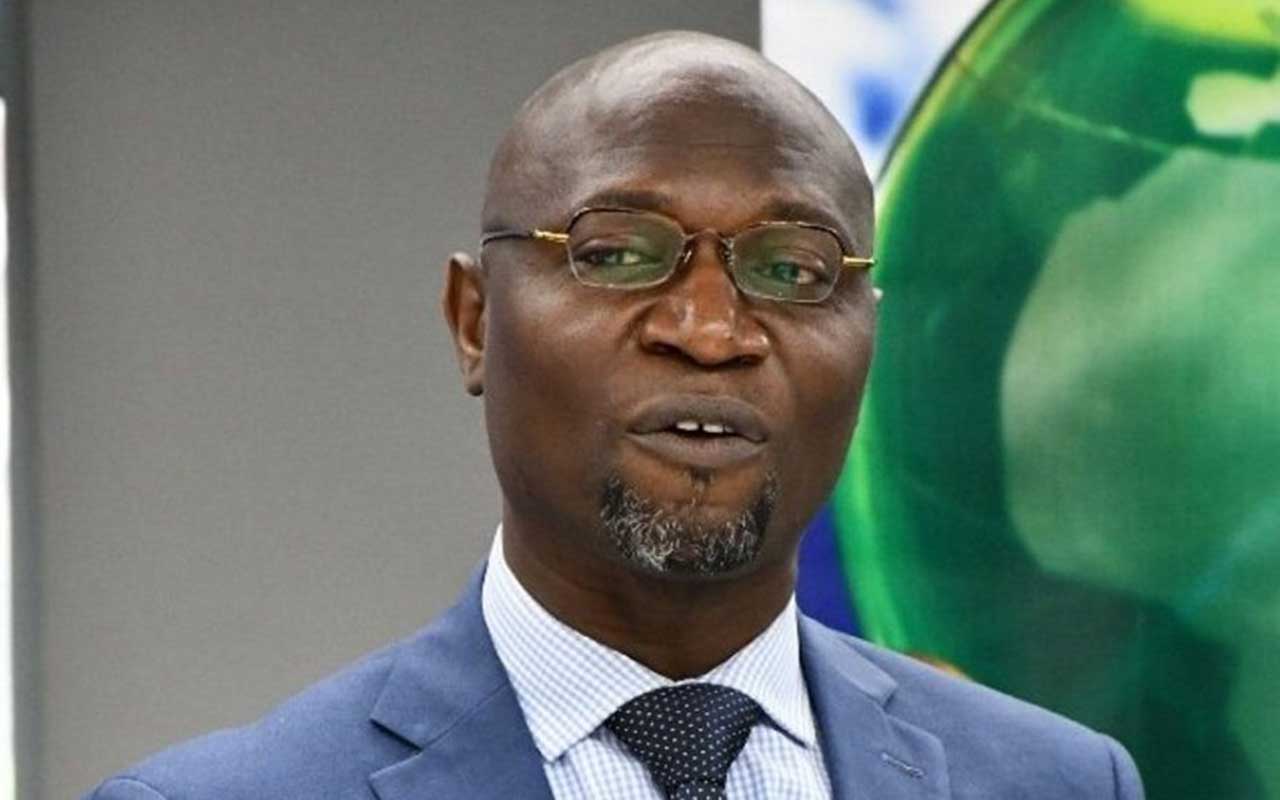
The SEC Director-General, Dr. Emomotimi Agama, confirmed the shift during the second Capital Market Committee (CMC) meeting for 2025 on Monday, where he also restated the Commission’s ambition to eventually achieve T+0 settlement.
He described the transition from T+3 to T+2 for equities, already in effect since November 28, as a major step that “aligned it more closely with global best practice.”
Agama said the shorter settlement window will improve liquidity, reduce counterparty risk, and quicken reinvestment cycles.
The reform now applies across the Nigerian Exchange, the NASD OTC Securities Exchange, and the Lagos Commodities and Futures Exchange.
He also highlighted major developments since the last CMC meeting in May, noting improvements in Nigeria’s sovereign credit rating and the country’s removal from the FATF grey list.
According to him, these have strengthened investor sentiment at a time when inflation has moderated to 16.05 per cent year-on-year in October, the lowest level since March 2025.
Between April and October, the market recorded strong capital-raising activities across debt, equity, and commercial paper.
Agama pointed to landmark transactions such as the N500bn Climate Funding SPV and the N200bn Elektron Finance bond, describing them as examples of deepening interest in infrastructure and sustainable finance. The commercial paper segment also remained active with over N753bn issued across manufacturing, energy, and agriculture.
He said these figures “demonstrate sustained confidence in the market’s regulatory framework.”
But 2025 has not been without setbacks. The Nigerian Exchange suffered its steepest monthly decline on record in November, losing N6.54trn in market capitalisation while the All-Share Index slipped nearly 7 per cent. Profit-taking ahead of the proposed 30 per cent Capital Gains Tax, pressure on banking stocks, and general policy uncertainty all weighed heavily on performance.
Agama noted that the market has begun to stabilize following government assurances on tax policy, and remains positive on a year-to-date basis.
As part of wider reforms, the SEC is ramping up financial literacy and inclusion. Capital market studies have been introduced into the national secondary school curriculum through a partnership with the Nigerian Educational Research and Development Council. At the tertiary level, a recent collaboration with Nnamdi Azikiwe University focused on helping SMEs tap opportunities in the capital market.
The Commission is also strengthening Nigeria’s leadership in non-interest finance. It recently hosted a Bank of Ghana delegation for engagements on regulatory frameworks, showcasing Nigeria’s N1.4trn sovereign Sukuk programme and the rise of Islamic mutual funds. Plans are underway for a Municipal Bond and Sukuk Summit in the first quarter of 2026.
Agama outlined several initiatives aimed at advancing the commodities and derivatives ecosystem. The SEC is working with the Standards Organisation of Nigeria to update commodity standards and collaborating with insurance brokers to improve risk coverage.
It is also engaging the Central Bank of Nigeria on granting liquidity status to warehouse receipts, while continuing inspections of commodity exchanges. Partnerships with the Ministry of Solid Minerals are expected to ease funding access for mining companies.
New rules under the Investments and Securities Act (ISA) 2025 are being developed for commodity exchanges, collateral managers, warehouse operators, and warehouse receipt issuers. Ongoing study tours across major exchanges and clearing agencies are informing updates to the regulatory framework. Engagements with exchanges such as Gezawa and NCX have helped revive their operations.
In the derivatives space, the SEC is working with industry players to deploy a real-time surveillance system that will strengthen market integrity. Updated rules for central counterparties, derivatives trading, online forex, and NG Clearing have been submitted to the Rules Committee, while a new systemic risk management framework is in progress.
The DG also underscored the SEC’s technology-driven reforms, powered by the Digital Transformation Portal. Capital market operators can now submit applications, upload documents, and track approvals online. A commercial paper issuance module has been launched, while automation of quarterly and annual filings is underway. The Commission is simultaneously upgrading its IT infrastructure and cybersecurity defences.
He presented findings from the Technology Adoption Survey conducted in May 2025, which showed increasing adoption of cloud services and cybersecurity tools, but low uptake of artificial intelligence and big data—still below 10 percent. However, more than 70 percent of firms expect to adopt AI, blockchain, and regulatory technology within three years. High costs, skills shortages, and integration issues remain the biggest barriers.
Agama cautioned that “innovation must go hand-in-hand with ethical and responsible deployment,” stressing that investor protection and market integrity must remain priorities.
The Commission will also introduce a Harmonized Corporate Governance Reporting Template for public companies to streamline disclosures and reduce compliance burdens. The unified framework will consolidate reporting requirements under SEC rules, the Nigerian Code of Corporate Governance 2018, and the Business Facilitation Act 2022.
Looking ahead, renewal of registrations for capital market operators will run from January 1 to 31, 2026. Electronic receipt and processing of registration applications will begin in the first quarter of the same year.