


By Tracy Moses
The Nigerian Ports Authority (NPA) and the NPA, ANLCA NPA, ANLCA Seek Lasting Solution to Apapa, Tin Can Port Congestion Lasting Solution to Apapa, Tin Can Port Congestion of Nigerian Licensed Customs Agents (ANLCA) have agreed to strengthen collaboration aimed at tackling the persistent traffic congestion along the Apapa and Tin Can Island port access corridors, a development expected to improve cargo evacuation, enhance operational efficiency and deepen Nigeria’s drive towards trade facilitation.
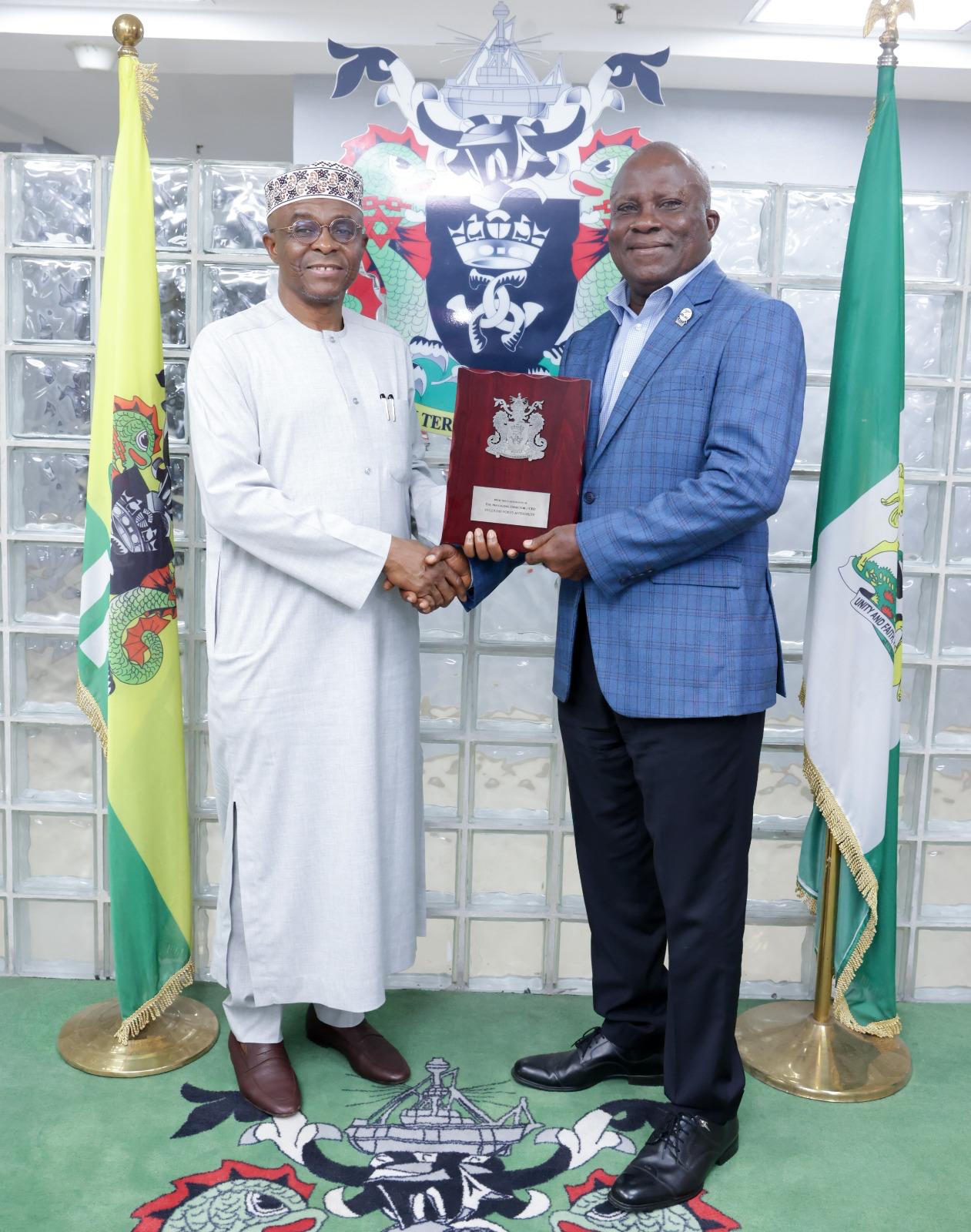
The commitment was reached during a strategic meeting at the NPA Corporate Headquarters in Marina, Lagos, where the Managing Director of the NPA, Dr. Abubakar Dantsoho, hosted the national leadership of ANLCA led by its National President, Chief Emenike Nwokeoji.
The engagement comes amid sustained efforts by the Federal Government to improve the ease of doing business at Nigerian ports, which have for years grappled with infrastructure deficits, traffic bottlenecks and logistics challenges that increase the cost of doing business and undermine the country’s competitiveness as a regional maritime hub.
Speaking during the meeting, Dr. Dantsoho commended the Port Managers of Apapa and Tin Can Island ports for their commitment to operational efficiency, noting that the recent recognition of both facilities among the World Bank’s Top 20 Most Improved Ports Globally was evidence that ongoing reforms were yielding measurable results.
He said the achievement aligned with President Bola Ahmed Tinubu’s Renewed Hope Agenda and reflected deliberate efforts to reposition Nigeria’s port system.
According to him, Nigeria’s growing influence within the global maritime community, including its emergence as the first President of the Port Management Association of West and Central Africa (PMAWCA) and Vice President for Africa at the International Association of Ports and Harbours (IAPH), further demonstrates the country’s increasing leadership in maritime governance.
“This global recognition is not accidental; it is the direct result of our strategic and intentional mapping of port processes and our relentless pursuit of excellence. This achievement is further reinforced by Nigeria’s recent diplomatic successes in the maritime sector,” Dantsoho said.
A major focus of the discussions was the Electronic Call-Up System, popularly known as Eto, which was introduced to regulate truck movements into the Apapa and Tin Can ports and reduce the chronic gridlock that has long plagued the port environment.
Although the initiative has recorded notable improvements since its introduction, stakeholders acknowledged that increasing cargo volumes and commercial activities now require further reforms to sustain the gains already achieved.
Addressing the issue, Dantsoho noted that the existing framework would need to evolve in response to growing demand.
“Lagos remains a vital commercial hub for West Africa. To sustain this status, we must aggressively pursue port modernization. Much of our infrastructure is aging and requires comprehensive upgrades to meet international standards, deploy modern cargo-handling equipment, and boost national revenue,” he stated.
For his part, ANLCA National President, Chief Emenike Nwokeoji, congratulated the NPA management on the international recognition accorded Nigeria’s ports and reaffirmed the association’s commitment to policies that promote efficient trade facilitation.
He urged the NPA to involve licensed customs agents more directly in the management and oversight of the Eto system, arguing that their participation would strengthen transparency, improve accountability and help eliminate racketeering as well as unnecessary delays experienced by port users.
According to Nwokeoji, the active involvement of customs brokers would provide the necessary checks and balances required to ensure that the electronic call-up platform functions more effectively.
The meeting also explored broader collaboration among the NPA, ANLCA, the Nigeria Police Force and other relevant stakeholders through a coordinated task force that would monitor truck movements and respond swiftly to disruptions along the Apapa and Tin Can port corridors.
As part of the engagement, Nwokeoji formally invited the NPA Managing Director to the association’s 72nd anniversary celebration scheduled to hold later this year.
Industry stakeholders have consistently maintained that resolving congestion around the nation’s busiest ports remains critical to lowering logistics costs, improving supply chain efficiency and strengthening Nigeria’s position as a preferred maritime gateway for West and Central Africa. The renewed commitment by the NPA and ANLCA is therefore expected to reinforce ongoing reforms aimed at creating a more efficient, transparent and globally competitive port system.