


1.1K
By Oscar Okhifo
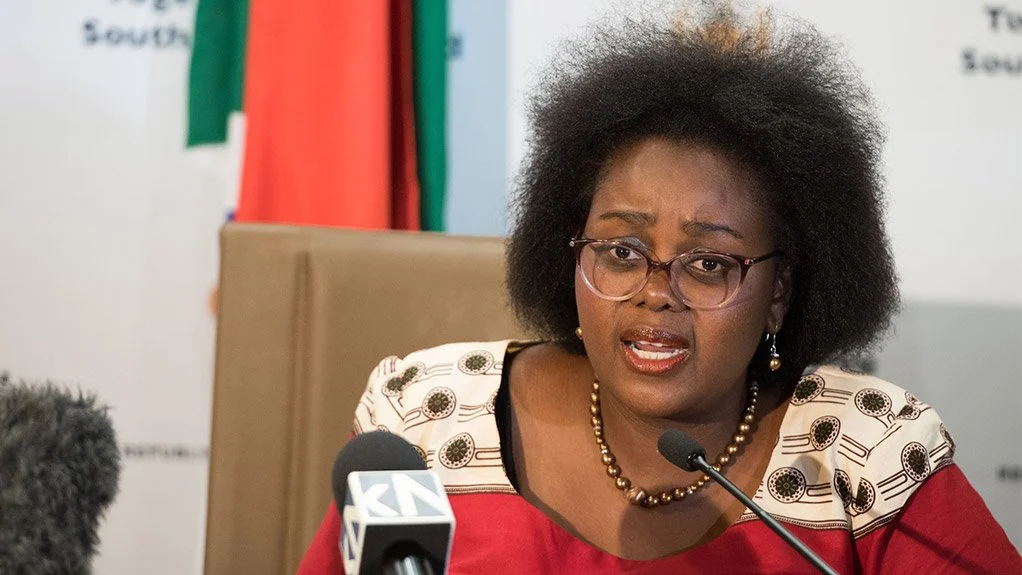
South Africa’s Justice and Constitutional Development Minister Mmamoloko Kubayi, has cautioned that rising concerns over xenophobia are increasingly harming the country’s international reputation, with spillover effects now being felt across cultural, sports and economic sectors.
Kubayi said the perception of xenophobic conduct in parts of the country is already influencing how South Africa is viewed abroad, leading to cancellations and hesitancy in international engagements involving South African artists and professionals.
She noted that the fallout is no longer limited to diplomacy, stressing that it is affecting livelihoods.
“We can’t lie about the backlash,” she said, pointing to reported cases of South African performers losing scheduled appearances across the continent due to concerns over safety and public sentiment linked to the country’s image.
Speaking on Monday in Johannesburg, South Africa, amid renewed concerns over attacks on foreign nationals in parts of the country, Kubayi said the situation was already spilling over into cultural and economic spaces, affecting South African artists, companies, and broader diplomatic relations.
She warned that the damage goes beyond entertainment and sports, stressing that it also threatens trade, investment, and South Africa’s international reputation.
She said the country’s “brand” was being affected in ways that could have long-term consequences for ordinary citizens.
She also rejected the idea that xenophobia defines South Africa, urging restraint and lawful conduct in addressing immigration and security concerns.
She reiterated that government does not accept xenophobia as a defining feature of South African society, urging citizens to refrain from vigilantism and to rely on lawful processes in addressing immigration and security concerns.
Kubayi said authorities are engaging affected stakeholders and working to support South African businesses and citizens who are already experiencing ripple effects across the continent.
She added that security agencies continue to monitor incidents of anti-immigrant violence, while government intensifies efforts to manage both the safety situation and the country’s international reputation.
Whether these economic and reputational consequences will prompt promoters and stakeholders to reassess their actions in the interest of the country remains to be seen.