

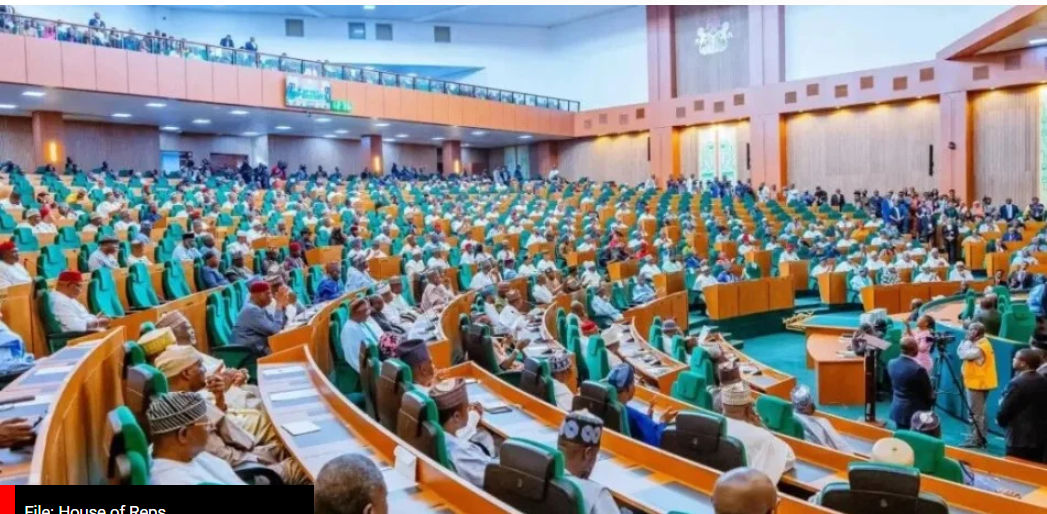

The House of Representatives has advanced a proposal to allocate 40 per cent of the annual Rural Electrification Fund (REF) to a proposed National Authority for Renewable Energy (NARE) to boost investment in off-grid electricity and expand access to cleaner energy sources.
The proposal is contained in the Electricity Act (Amendment) Bill, 2025, which seeks to establish NARE as a specialised institution responsible for coordinating renewable energy development, strengthening regulatory oversight and extending electricity access to unserved and underserved communities.
Sponsored by Afam Victor Ogene, member representing Ogbaru Federal Constituency in Anambra State and Chairman of the House Committee on Renewable Energy, the bill seeks to address institutional overlaps in the power sector and provide a coordinated framework for renewable energy development.
The House passed the bill for second reading following debate on its provisions, paving the way for further legislative scrutiny.
Leading the debate, Ogene argued that Nigeria needed to look beyond conventional grid expansion to address persistent electricity access challenges, particularly in rural communities and locations where extending the national grid could be difficult or expensive.
“We must embrace innovative, decentralised and renewable energy solutions that can reach communities and businesses more efficiently,” he said.
The proposed allocation of 40 per cent of the annual REF funding to NARE is intended to provide a dedicated source of financing for renewable energy projects, particularly mini-grids and other off-grid electricity systems.
Such projects could extend electricity supply to communities beyond the reach of existing distribution infrastructure while creating opportunities for private investment and local businesses involved in renewable energy development.
However, the proposed funding arrangement is likely to require careful consideration during the legislative process, particularly regarding its implications for existing rural electrification programmes and projects financed through the fund.
Beyond the funding provision, the bill seeks to transfer designated renewable energy responsibilities from existing institutions, including the Nigerian Electricity Regulatory Commission (NERC), the Rural Electrification Agency (REA) and the Rural Electrification Fund, to the proposed authority.
Ogene said consolidating relevant functions under a specialised institution would improve coordination, reduce duplication and provide clearer direction for the sector.
“This specialisation will improve coordination, reduce institutional overlaps and provide focused direction for the effective development of the renewable energy sector,” he said.
Under the proposed framework, NARE would promote renewable energy sources, including solar, wind, hydro, geothermal and biomass, while encouraging investment in local manufacturing, research and technical capacity development.
The authority would also promote mini-grid and off-grid electricity systems in rural, island, unserved and underserved communities.
Its proposed regulatory responsibilities would cover licensing, technical standards, tariff-related matters and dispute resolution within its statutory jurisdiction. The bill also provides for collaboration with NERC and the Federal Ministry of Finance to harmonise policies and support the integration of renewable energy into the national grid.
The proposal comes amid continuing efforts to address Nigeria’s electricity supply challenges and expand access to reliable power. While the national grid remains central to electricity delivery, decentralised renewable energy systems offer an alternative for communities and businesses that lack reliable grid connections.
The Electricity Act, 2023, introduced significant changes to Nigeria’s electricity market, including provisions allowing states to establish and regulate electricity markets within their jurisdictions, subject to the law’s requirements. The reforms have created additional opportunities for subnational governments to develop electricity solutions suited to local needs.
The proposed establishment of NARE would add another institutional dimension to the sector, with a dedicated focus on coordinating renewable energy development at the national level.
Its effectiveness would depend on how the final legislation defines its powers and relationship with existing agencies, as well as how the transfer of responsibilities, personnel, assets and ongoing projects is managed.
Following the bill’s second reading, Speaker of the House, Tajudeen Abbas, referred it to the relevant committee for detailed consideration.
The committee is expected to examine the proposed funding arrangement, institutional structure and transitional provisions before reporting back to the House for further legislative action.
The bill must pass the remaining stages of the legislative process before it can become law.