


836
By Oscar Okhifo
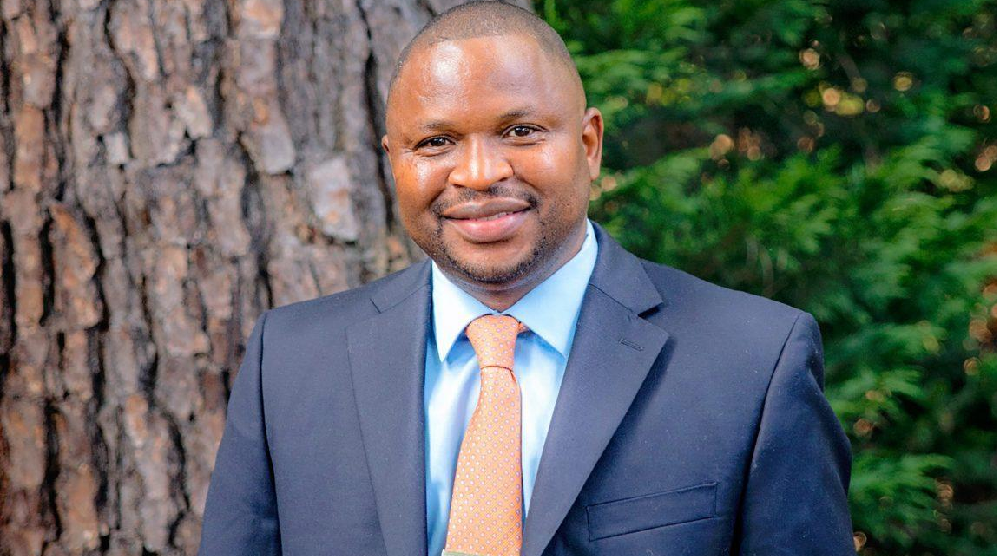
Renowned columnist and media scholar, Farooq Kperogi, has accused President Bola Tinubu of systematically excluding northern political interests from his administration, warning that the development could hurt the president’s chances in the 2027 general elections.
In his latest Saturday Tribune column titled “Tinubu’s Baffling Northern Exclusion Strategy,” Kperogi argued that the North played a decisive role in Tinubu’s emergence as president in 2023 but has allegedly been sidelined since the administration took office.
According to him, more than 63 per cent of Tinubu’s votes in the last election came from the North, largely due to the support of northern governors and political stakeholders who backed him despite resistance from some allies of former President Muhammadu Buhari.
Kperogi claimed that Tinubu has governed “as if only the Southwest voted him into power,” accusing the president of running the country with what he described as a Lagos-centric and ethnocentric approach.
The columnist also alleged that Vice President Kashim Shettima has been increasingly sidelined in the administration, noting that Tinubu has never formally transferred power to him during his trips abroad, unlike Buhari, who handed over presidential authority several times to former Vice President Yemi Osinbajo during his tenure.
He further argued that major economic and financial positions in the current administration are dominated by individuals from the Southwest, adding that even Shettima’s constitutional role in the National Economic Council appears diminished.
Kperogi also raised concerns over the recent appointment of retired Major General Adeyinka Famadewa as Special Adviser to the President on Home Security, describing the office as duplicative of the responsibilities of the National Security Adviser.
According to him, the move has fuelled perceptions in the North that Tinubu no longer trusts key northern figures within his administration, including the National Security Adviser, Nuhu Ribadu.
He argued that the new appointment could be interpreted as an attempt to create what he called a “Yoruba NSA,” particularly because the office overlaps with the responsibilities of existing security institutions.
Despite the criticisms, Kperogi acknowledged that Ribadu remains the international face of the administration on major security engagements, while Shettima still appears publicly cordial with the president.
The columnist, however, maintained that perceptions of exclusion could damage Tinubu politically, stressing that “perception is the currency of reality in politics.”
He warned that Tinubu may struggle to build the broad regional coalition required for re-election in 2027, especially if former Labour Party presidential candidate Peter Obi contests again and retains support in the Southeast and among southern minorities.
Kperogi concluded by warning against what he described as an “ethnocentric capture” of the country, saying Nigeria needs “a Nigerian president, not a sectional overlord who is Nigerian only in name.”
The Presidency had yet to respond to the allegations at the time of filing this report.
Allegations that Tinubu has “Yorubalised” key areas of governance have also been echoed by some political analysts and media commentators in recent months.
While the administration has consistently defended its appointments and policies against claims of ethnic bias, critics insist there are examples they believe support their position.