


677
By Tracy Moses
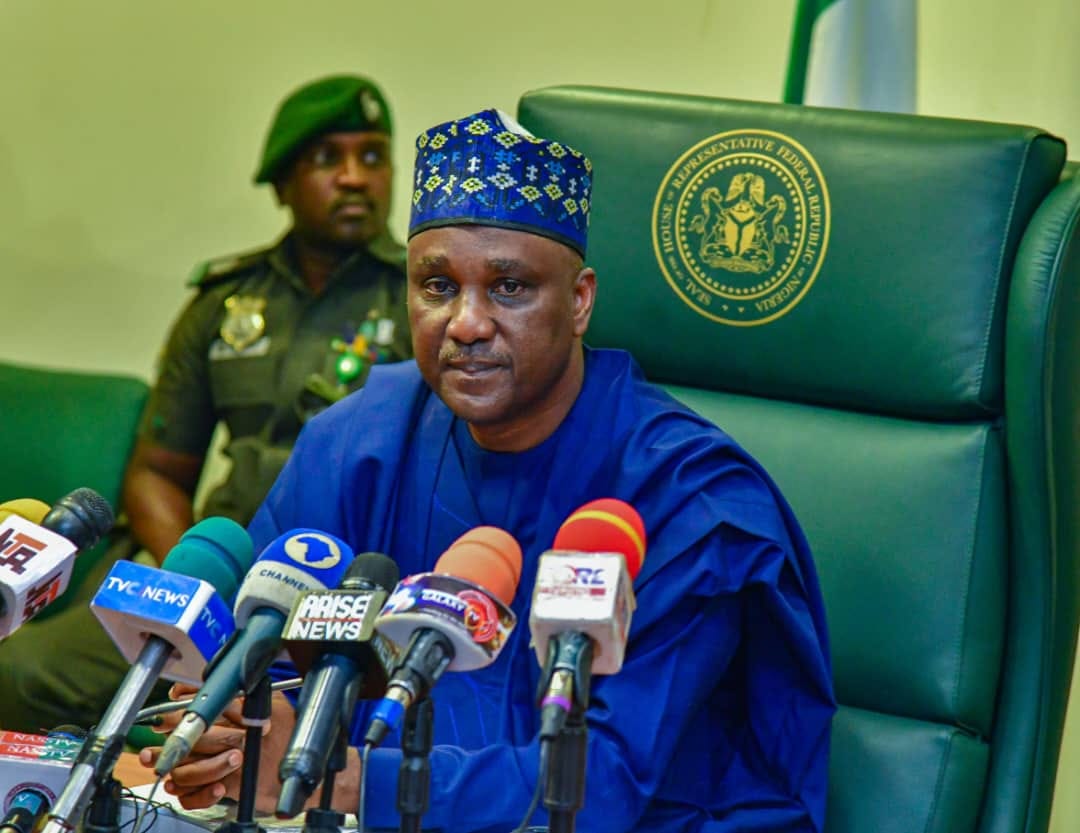
The Speaker of the House of Representatives, Tajudeen Abbas, has justified the National Assembly’s decision to preserve both electronic and manual transmission of election results in the amended Electoral Act, describing the hybrid approach as the most realistic option for delivering credible and inclusive polls in 2027.
Speaking in Abuja during a courtesy visit by the Spanish Ambassador to Nigeria, Felix Costales, Abbas said making electronic transmission the sole method would exclude millions of voters due to persistent gaps in internet access and electricity supply across the country.
The Speaker noted that while many Nigerians advocate for full real-time electronic transmission, infrastructural limitations make such a move impractical at this stage.
According to him, available data show that about 40 per cent of Nigeria’s landmass lacks reliable internet connectivity, a development he said cannot be ignored in planning nationwide elections. “Even in cities like Abuja, stable internet service is not always assured,” Abbas stated.
“If we make electronic transmission compulsory everywhere, we could unintentionally disenfranchise a large segment of the population.”
He further pointed to consistently low voter turnout figures in previous elections, which he put at between 12 and 15 per cent of registered voters, describing the trend as troubling and indicative of growing voter apathy.
Abbas warned that introducing an exclusively electronic system under current conditions could further depress participation. He explained that the hybrid model allows electronic transmission where infrastructure permits, while manual transmission will serve as a safeguard in areas with connectivity challenges.
Addressing concerns about transparency, the Speaker stressed that the amendment was not designed to weaken electoral integrity but to strengthen it within the country’s prevailing realities. He also highlighted Nigeria’s energy deficit as a major obstacle to full digital operations on election day.
“Electronic systems depend on power supply. The question is whether we can guarantee electricity nationwide throughout the voting and collation period,” he said, adding that such logistical concerns must be carefully considered.
Abbas expressed optimism about improvements ahead of the 2027 general elections, revealing that he had engaged with the leadership of the Independent National Electoral Commission and was encouraged by the commission’s reform agenda.
“I have listened to the chairman’s proposals, and if they are fully implemented, the country will witness significant progress. The 2027 elections will be better managed,” he assured.
Describing democracy as an evolving process, the Speaker said Nigeria continues to refine its electoral system in line with global democratic standards. “No democracy is perfect. We are learning, adjusting and advancing steadily,” he added.
In his remarks, the Spanish Ambassador said Spain would monitor Nigeria’s 2027 elections with keen interest and reiterated his country’s commitment to strengthening parliamentary cooperation between both nations.
He disclosed that Spain also incorporates manual elements in its electoral process and emphasised the importance of dialogue, compromise and consensus in sustaining democratic governance, particularly in politically polarised environments.
The envoy further pledged Spain’s support in bolstering Nigeria’s democratic institutions and enhancing collaboration in legislative drafting and parliamentary exchanges as both countries work to deepen bilateral ties.