


By Oscar Okhifo
The Muslim Rights Concern (MURIC) has criticised the life imprisonment imposed on two convicted terrorists, describing the sentence as too lenient and calling for the death penalty for anyone convicted of terrorism after due judicial process.
The Islamic advocacy organisation argued that life imprisonment is inadequate for crimes that have claimed thousands of lives, displaced millions of people and inflicted lasting trauma on communities across Nigeria.
It also warned that keeping convicted terrorists alive in correctional facilities could embolden terrorist networks, increase the risk of prison breaks and weaken efforts to deter future acts of terrorism.
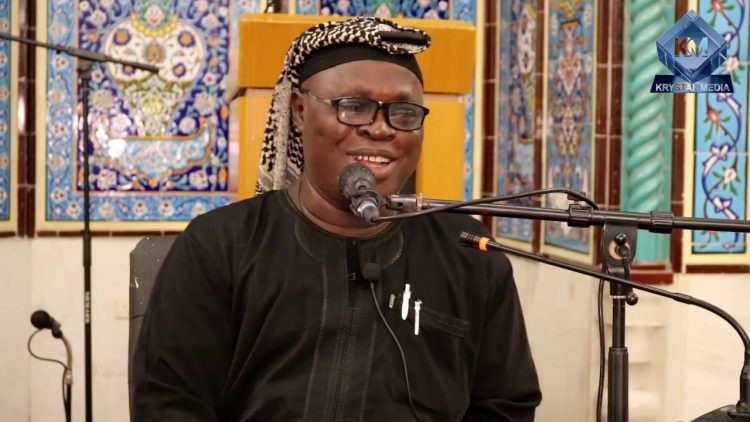
In a statement issued on Wednesday, MURIC’s Executive Director, Professor Ishaq Akintola, described the sentences handed to the two convicts as “dangerously lenient” and urged the Federal Government to review Nigeria’s legal and policy framework on terrorism, insisting that capital punishment remains the most appropriate sanction for those convicted of carrying out terrorist attacks.
MURIC’s position comes against the backdrop of an ongoing national debate over the Federal Government’s deradicalisation and reintegration programme for surrendered insurgents. In recent years, the programme has attracted criticism from several stakeholders, including the Christian Association of Nigeria (CAN), victims’ groups, security analysts and other Nigerians, who argue that those responsible for acts of terrorism should face the full weight of the law rather than be treated as “repentant terrorists.”
The controversy intensified after the Chief of Defence Staff described surrendered insurgents as “prodigal sons,” while some other senior government officials referred to them as “our brothers” in defence of the government’s rehabilitation and reintegration policy.
The remarks sparked widespread public criticism, with many Nigerians expressing discomfort over what they perceived as attempts to portray insurgents sympathetically despite the widespread loss of lives, displacement and destruction caused by years of terrorist violence.
Legal experts have also questioned the legality of granting amnesty or rehabilitation to suspected terrorists who have neither been tried nor convicted by a court of competent jurisdiction, arguing that clemency ordinarily follows conviction. Others have called for the establishment of special courts to expedite terrorism trials and improve the administration of justice.
Against this backdrop, MURIC’s latest call for capital punishment is expected to further energise the national conversation over whether Nigeria’s counterterrorism strategy should prioritise rehabilitation, deterrence or retributive justice.
The group was reacting to the conviction of Abubakar Abba, popularly known as Abu Baraa, and Mahmud Usman, also known as Mahmuda, who were sentenced to life imprisonment by Justice Emeka Nwite on Monday after being found guilty of terrorism-related offences.
Rejecting the judgment, MURIC said:
“We reject this judgment for being too lenient, too dangerous and too disproportionate.
“These are hardened and merciless criminals who should be eliminated with the speed of light. A good surgeon will not hesitate to amputate a rotten limb from the anatomy.
“We are of the opinion that terrorists who execute their captives, traumatize families as well as whole nations and subject their victims to inhuman treatments deserve capital punishment.
“It is dangerous to keep terrorists in prison custody temporarily or ad infinitum because of their deadly networks which they use to organize jailbreaks.
“They are no longer human beings. It is dangerous to keep them with other inmates if we don’t want them to convert ordinary prisoners into terrorists like them.”
The organisation also referred to the recent abduction of schoolchildren and teachers in Oriire, Oyo State, alleging that the kidnappers demanded the release of the two convicted terrorists as a condition for freeing their captives. MURIC argued that the incident demonstrated the continued influence of terrorist networks and highlighted what it described as the security risks of keeping convicted terrorists in custody.
According to the group:
“That should have sent a red alert to the authorities that terrorists are taking advantage of the democratic environment to abuse our values.
“Those who rob others of the dividends of democracy do not deserve to enjoy same. Terrorists have no right to claims of fundamental human rights.
“We, therefore demand the death penalty for any terrorist found guilty of active participation in terror attacks.
“In view of several audacious attacks on prison facilities and the tendency of terrorists to plan attacks from prison, we also demand that terrorists sentenced to death must be executed within seven days of the judgment.
“The federal government should put all necessary legal niceties in place to ensure that due process is followed in this regard.”
MURIC’s intervention is expected to further fuel the long-running national debate over the appropriate punishment for terrorism offences and the balance between justice for victims, deterrence, rehabilitation and adherence to the rule of law.
Nigeria has, for more than a decade, battled insurgency and other forms of violent extremism that have resulted in widespread loss of life, mass displacement, destruction of communities and significant economic disruption. While successive governments have combined military operations with deradicalisation initiatives aimed at encouraging defections from insurgent groups, questions over accountability, justice for victims and the most effective long-term counterterrorism strategy remain subjects of intense public and policy debate.