


902
By Tracy Moses
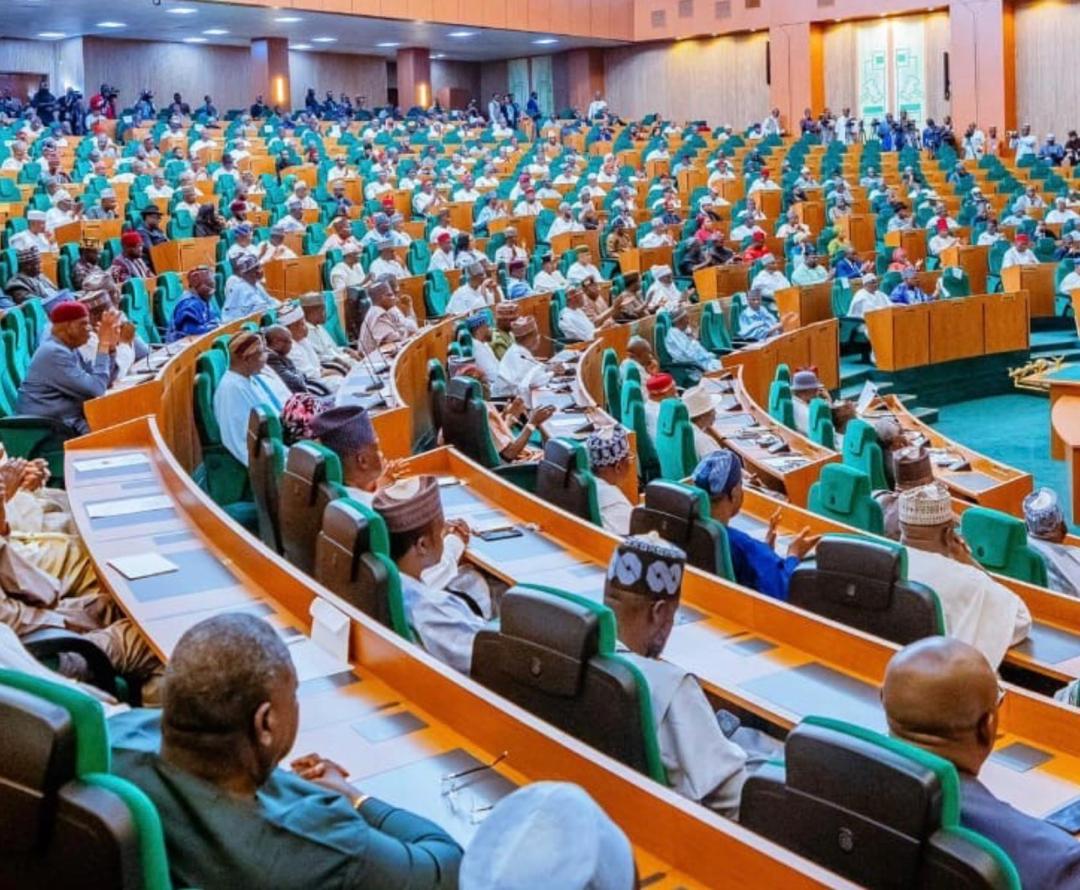
The House of Representatives on Wednesday amended its Standing Orders to formally restrict eligibility for principal leadership positions to ranking members, a move that comes amid ongoing efforts by opposition lawmakers to fill the vacancy created by the exit of former Minority Leader, Hon. Kingsley Chinda.
The amendment, adopted during plenary, followed the consideration of a motion sponsored by Hon. Babajimi Benson, who argued that the House needed to provide a clearer interpretation of the requirement for “cognate legislative experience” as stipulated in its rules governing the appointment of principal officers.
Presenting the motion, Benson noted that Order Seven, Rule 15 of the Standing Orders of the House already provides that only members with cognate legislative experience are qualified to serve as Principal Officers.
According to him, legislative institutions across established democracies reserve key leadership positions for lawmakers with parliamentary experience in order to preserve institutional memory, strengthen legislative competence and ensure continuity in legislative practice.
He stated that parliamentary best practices globally recognise the importance of experience in leadership positions, adding that such offices require a thorough understanding of legislative procedures, constitutional responsibilities and intergovernmental relations.
The House subsequently adopted an amendment defining “cognate legislative experience” as the completion of at least one full four-year term in the House of Representatives.
The amendment further provides that no other interpretation of the term shall apply, effectively limiting eligibility for principal offices to ranking lawmakers.
“Order Seven, Rule 15 of the Standing Orders of the House provides that only members with cognate legislative experience are eligible for appointment as Principal Officers of the House,” Benson said while moving the motion.
He argued that reserving such positions for experienced legislators would help “preserve institutional memory, strengthen legislative competence, and enhance understanding of constitutional and intergovernmental processes.”
The amendment comes against the backdrop of growing debate within the Minority Caucus over the process of selecting a new Minority Leader following recent leadership changes within the opposition bloc in the House.
Available records indicate that 60 out of the 82 members of the Minority Caucus had endorsed Hon. Ikenga Ugochinyere for the position, signalling substantial support for his candidacy among opposition lawmakers.
The development had sparked consultations among minority parties and caucus leaders as they sought a consensus arrangement capable of preserving unity within the opposition ranks.
With the new amendment now in place, attention has shifted to its implications for the ongoing leadership succession process and the eligibility of prospective candidates for principal offices.
The decision has already generated debate among lawmakers and political observers, with supporters arguing that leadership positions should be reserved for legislators with proven parliamentary experience, while critics contend that the move could limit broader participation in the leadership structure of the House.
Meanwhile, efforts to resolve the dispute appear to be gathering momentum. Sources familiar with ongoing consultations disclosed that a peace arrangement is being considered under which Ugochinyere and members of the G-60 bloc would play a significant role in producing a consensus candidate for the position of Minority Leader and other minority principal offices.
Although details of the proposed settlement remain fluid, stakeholders are hopeful that a negotiated outcome will help prevent further divisions within the caucus and ensure a smooth transition in the opposition leadership structure.
Ugochinyere is expected to address the issue publicly on Thursday, a development that may provide further clarity on the direction of the negotiations and the future composition of the minority leadership in the House.
The amendment marks one of the most significant procedural changes adopted by the House in recent months and underscores the importance lawmakers attach to experience and institutional continuity in the management of parliamentary affairs.