


By Lizzy Chirkpi
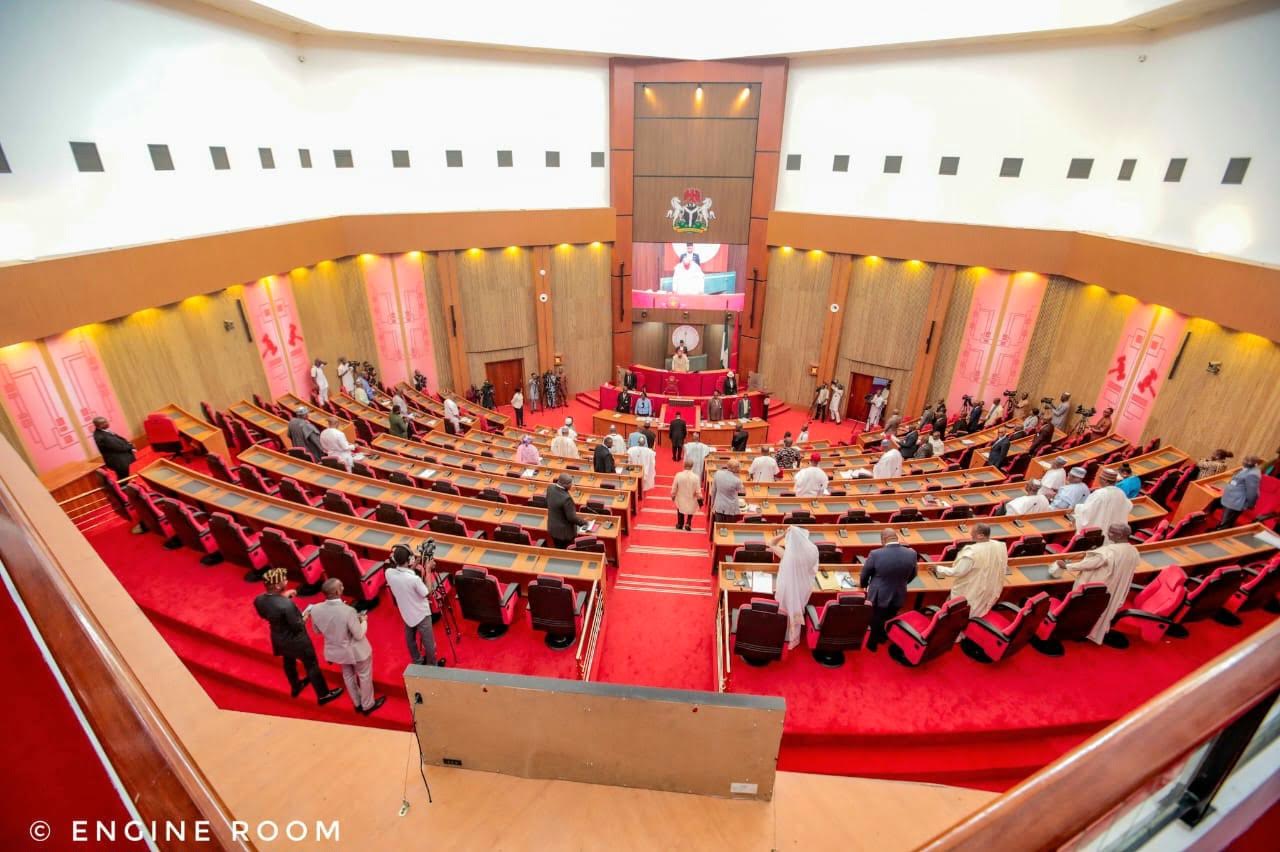
The Senate Public Accounts Committee has ordered Seplat Energy and three other oil companies to appear before it within 48 hours over unresolved queries contained in the 2021, 2022 and 2023 audit reports of the Nigeria Extractive Industries Transparency Initiative.
The other companies are Network E&P Nigeria Limited, All Grace Energy Limited and Aradel Energy Limited.
The committee, chaired by Senator Ibrahim Hassan Dankwambo, issued the directive on Wednesday following an investigative hearing at which lawmakers expressed concern over the failure of the companies to honour previous invitations to explain issues arising from the NEITI reports.
The committee directed the managing directors of the four companies to appear before it on Thursday and respond to the outstanding queries.
It also warned that failure to comply could lead to the invocation of the constitutional powers of the National Assembly.
The Senate action is part of a broader examination of unresolved issues arising from NEITI’s audits of Nigeria’s extractive sector and the accountability of companies operating in the oil and gas industry.
NEITI’s audit reports examine production, revenues, payments and other transactions within the extractive industries, with the aim of identifying discrepancies requiring clarification, reconciliation or further action.
The 2021 NEITI Oil and Gas Industry Audit Report, for instance, contains company-by-company data on production and the Federation’s entitlement from joint venture arrangements, including information relating to Seplat.
Following the publication of the reports, the Senate Public Accounts Committee began inviting companies named in the audits to respond to queries arising from the findings.
However, the committee became dissatisfied after some of the companies failed to attend scheduled hearings.
The situation became particularly contentious after Network E&P Nigeria Limited reportedly wrote to the committee stating that its accountability was to the Nigerian Upstream Petroleum Regulatory Commission.
The position drew a sharp response from Senator Abdul Ningi, who maintained that regulatory oversight by an agency such as the NUPRC did not prevent the National Assembly from exercising its constitutional powers.
Ningi argued that the National Assembly’s oversight authority extends to organisations and individuals whose activities fall within the scope of an investigation.
“Sections 88 and 89 of the 1999 Constitution empower the National Assembly to invite anybody or agency for explanations on issues raised against them,” he said.
His position was supported by Senator Shehu Kaka Lawan, who urged the committee to enforce its powers against companies that repeatedly failed to honour its invitations.
The committee subsequently escalated the matter, giving the four companies a 48-hour deadline to appear and address the outstanding NEITI audit queries.
Dankwambo warned that the latest directive should not be treated as another routine invitation.
“Failure by the companies to comply would result in the invocation of the legislative powers available to the National Assembly,” the chairman ruled.
The summons places the four companies under pressure to provide explanations to lawmakers as the Senate intensifies its scrutiny of issues arising from NEITI’s audits of the oil and gas sector.
For the committee, the matter goes beyond the companies’ regulatory relationship with agencies such as the NUPRC. It also concerns the effectiveness of legislative oversight over activities in Nigeria’s extractive sector, particularly where audit findings raise questions requiring clarification.
The Senate is expected to examine the explanations provided by the companies and determine whether they adequately address the outstanding queries.
The proceedings also underscore the importance of NEITI’s audit process in promoting transparency and accountability in the management of Nigeria’s natural resources.
As a member of the global Extractive Industries Transparency Initiative, Nigeria uses NEITI audits to provide independent assessments of transactions in the oil, gas and mining sectors and to identify gaps that may affect government revenues.
The oil and gas sector remains a major source of public revenue, making the reconciliation of production figures, company payments and government receipts an important part of financial accountability.
The committee’s intervention therefore comes amid continued efforts by government institutions to strengthen oversight of the sector and ensure that revenues due to the Federation are properly accounted for.
The four companies are expected to appear before the committee on Thursday, when lawmakers will consider their responses and decide whether further action is necessary.