


491
By Tracy Moses
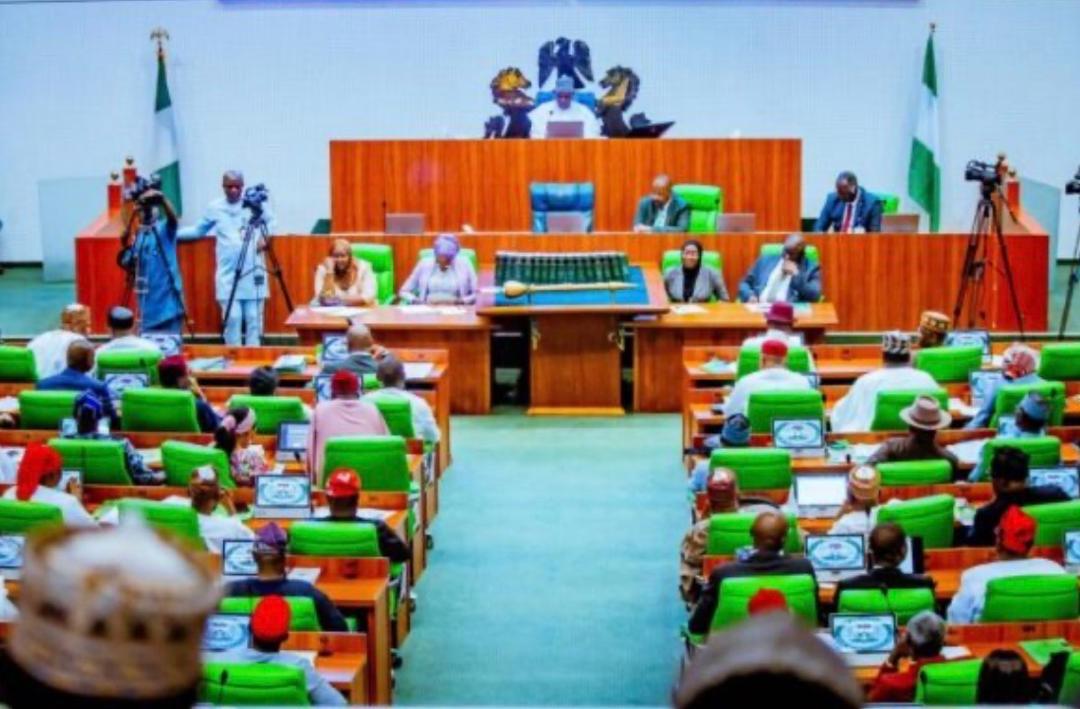
The House of Representatives on Wednesday called for a thorough investigation into the recent farmers-herders clash in Lanzai and neighbouring Dosho communities in Darazo Local Government Area of Bauchi State, directing security agencies to identify, arrest and prosecute those responsible for the violence that claimed nine lives.
The resolution followed the adoption of a motion of urgent public importance sponsored by the member representing Darazo/Ganjuwa Federal Constituency, Hon. Mansur Manu Soro, during plenary.
Presenting the motion, Soro informed the House that the violent confrontation, which occurred last Wednesday, resulted in deaths, injuries and extensive destruction of property, leaving many residents displaced.
He said, “The House notes the sad occurrence last week Wednesday, of a violent clash between farmers and herders in Lanzai and nearby Dosho communities that resulted in the loss of nine human lives, injuries to residents, destruction of property and the burning of approximately fifty residential huts and other means of livelihood.”
The lawmaker expressed concern over the humanitarian impact of the incident, noting that many affected families had been forced from their homes and exposed to harsh living conditions.
Lawmakers observed that the violence had “displaced numerous families, exposed vulnerable persons comprising women, children and the elderly to severe humanitarian conditions and heightened tension among affected communities.”
The House also decried the recurring nature of farmers-herders conflicts across the country, warning that the persistent clashes continue to threaten national security, agricultural productivity and economic development.
Members noted that the violence “continues to undermine national security, agricultural productivity and economic development,” stressing the need for decisive intervention to prevent further loss of lives.
Consequently, the House urged the Inspector-General of Police to deploy adequate investigative and intelligence resources to the affected communities with a view to identifying, apprehending and prosecuting all those involved in the violence.
Lawmakers also called on the Director-General of the Department of State Services (DSS) to strengthen intelligence gathering, threat assessment and early warning operations in the area.
The House specifically urged the DSS to “Intensify intelligence gathering, threat assessment and early warning operations in the area to prevent further attacks and reprisals.”
In response to the humanitarian crisis occasioned by the clash, the House appealed to the National Emergency Management Agency (NEMA) and the North-East Development Commission (NEDC) to provide immediate relief materials, temporary shelter, food supplies, medical assistance and psychosocial support to affected residents.
The lawmakers further urged the Federal Government, through the NEDC, to support the reconstruction of homes, community infrastructure and livelihoods destroyed during the violence.
To tackle the underlying causes of the recurring conflict, the House called on the Federal Ministry of Livestock Development and the Federal Ministry of Agriculture and Food Security to accelerate the implementation of sustainable livestock management policies, ranching programmes, grazing control measures and dispute resolution mechanisms.
The House subsequently mandated its Committees on Police Affairs, National Security and Intelligence, Emergency and Disaster Preparedness, and the North-East Development Commission to monitor compliance with its resolutions and report back within six weeks.
Farmers-herders clashes remain one of Nigeria’s most persistent security and development challenges. The conflicts, often driven by disputes over land use, grazing routes and access to water resources, have led to significant loss of lives and property across several states. Experts have repeatedly warned that without sustainable solutions and effective law enforcement, the recurring violence could further threaten food security, social stability and economic growth in affected communities.