


882
By Tracy Moses
A new round of defections swept through the House of Representatives on Tuesday, as lawmakers crossed party lines in what signals intensifying political realignments ahead of the 2027 general elections.
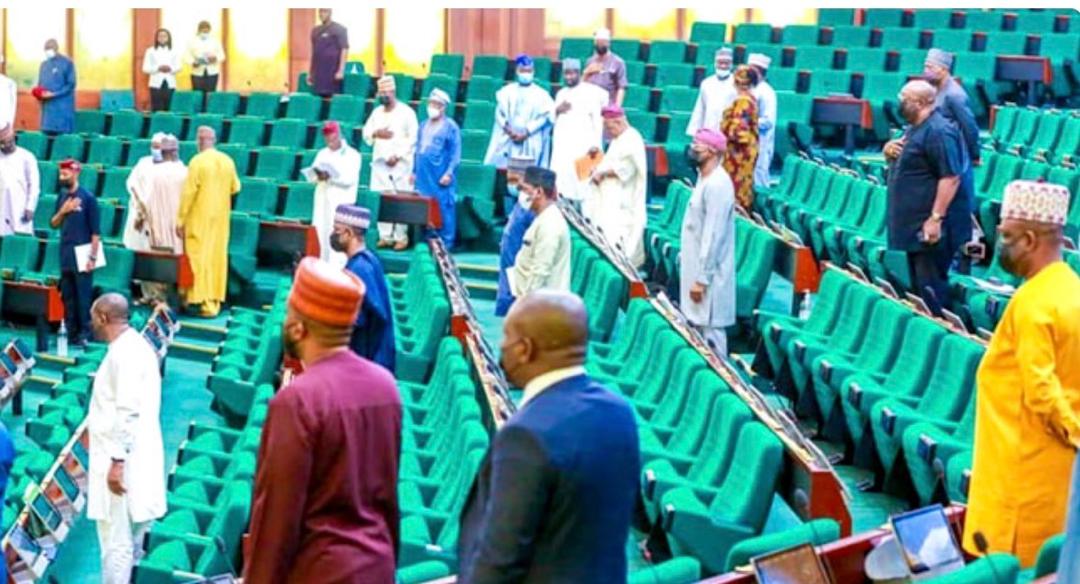
The development followed the resumption of plenary after the Easter break, with Deputy Speaker Benjamin Kalu reading multiple defection letters on the floor of the House.
Kalu downplayed fears that the trend could tilt the country toward a one-party state, maintaining that the movements reflect the vibrancy and freedom within Nigeria’s democratic system.
“This is to show the country that no party is stifled. People are moving from the majority to minority parties and from minority to majority parties. That is the beauty of democracy,” he said.
Among the prominent defections was that of the lawmaker representing Eti-Osa Federal Constituency in Lagos State, Thaddeus Attah, who left the Labour Party for the African Democratic Congress. In his letter, Attah blamed his decision on the lingering leadership crisis within the Labour Party, which he said had affected his ability to effectively serve his constituents.
The Peoples Democratic Party suffered the biggest losses in the latest round, with five of its members defecting. Abubakar Abdul from Niger State joined the All Progressives Congress, while Yakubu Noma from Kebbi State moved to the ADC. Another Kebbi lawmaker, Ibrahim Mohammed, also defected to the APC.
Similarly, in Osun State, Mudashiru Alani, representing Ayedire/Iwo/Ola-Oluwa Federal Constituency, and Adetunji Olusoji, representing Odo-Otin/Ifelodun/Boripe Federal Constituency, left the PDP for the Accord Party.
Despite gaining new members, the APC also recorded some losses. David Fuoh from Taraba State defected to the PDP, while Bashir Zubair from Kaduna State moved to the ADC, further underscoring the shifting alliances within the House.
Defections remain a familiar feature of Nigeria’s political environment, especially as elections draw nearer. With less than two years to the 2027 polls, lawmakers are increasingly adjusting their political alignments in response to internal party challenges, electoral strategies, and evolving regional considerations.
The latest developments are partly linked to ongoing leadership disputes within key parties, notably the PDP and the Labour Party, even as both established and emerging parties step up efforts to consolidate their positions ahead of party primaries.
For many legislators, decisions on party affiliation are often shaped by re-election prospects, access to party machinery, and alignment with influential political figures at both the state and national levels.
Since the inauguration of the 10th National Assembly in 2023, the APC has retained a numerical edge in the House. However, opposition parties have continued to assert relevance through strategic defections and alliances.
The rising prominence of smaller parties like the ADC as beneficiaries of recent defections also suggests a gradual shift toward a more diversified political landscape beyond the traditional dominance of the APC and PDP.
Observers believe the trend could gather more momentum in the coming months as parties conclude internal restructuring and aspirants begin to test their popularity ahead of primaries.
Meanwhile, the House adjourned plenary to Wednesday in honour of Kano lawmaker, Hassan Danjuma, who passed away on April 10, 2026, at the age of 66.