


By Tracy Moses
The House of Representatives has called on the Federal Government to ensure adequate and timely funding for health agencies responsible for preventing and containing Ebola Virus Disease, warning that funding gaps could undermine efforts to protect public health.
The House also urged the government to strengthen disease surveillance, contact tracing, laboratory testing and other emergency response measures following reports of a confirmed Ebola case in Abuja.
The resolutions followed the adoption of a motion of urgent public importance sponsored by Amobi Ogah, member representing Isuikwuato/Umunneochi Federal Constituency of Abia State, during plenary on Tuesday.
Presenting the motion, Ogah described Ebola Virus Disease as a severe and potentially fatal infection that requires prompt detection, effective infection prevention and control, and coordinated public health interventions to limit transmission and save lives.
“It is extremely disturbing that yesterday, October 20, 2026, an Ebola virus case was confirmed in a woman arriving from Uganda in Abuja who tested positive. Health authorities traced 44 contacts for isolation and further tests,” he said.
The lawmaker warned that delays in identifying suspected cases, conducting laboratory tests, isolating infected persons, tracing contacts and providing timely medical care could increase the risk of transmission and place additional pressure on the country’s healthcare system.
He also expressed concern that inadequate public awareness, shortages of infection prevention and control supplies, gaps in healthcare workers’ preparedness and limited emergency response capacity could weaken efforts to contain the disease.
Ogah highlighted the roles of the Federal Ministry of Health and Social Welfare, the Nigeria Centre for Disease Control and Prevention (NCDC), the Federal Ministry of Agriculture and Food Security, state ministries of health, port health authorities and other stakeholders in strengthening national epidemic preparedness.
He also stressed the importance of collaboration with the World Health Organisation and other international and regional public health institutions to ensure that Nigeria’s response measures are guided by scientific evidence and international health regulations.
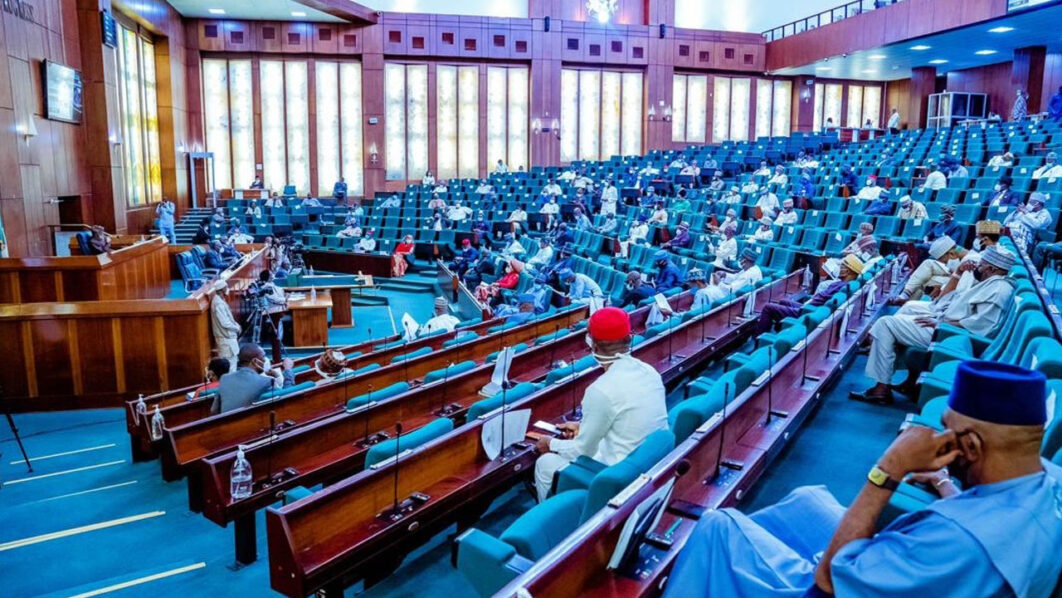
Following the presentation, the lawmakers, presided over by Deputy Speaker Benjamin Kalu, unanimously adopted the motion and called on the Federal Government to mobilise public and private health agencies and place them on high alert.
They urged the government, through the Ministry of Finance, to release all outstanding appropriated funds to relevant health agencies without further delay.
According to the House, the funds would enable the agencies to discharge their responsibilities effectively, particularly in strengthening disease surveillance, tracing contacts, conducting laboratory tests and responding to suspected infections.
The lawmakers further urged the Federal Ministry of Health and Social Welfare and the NCDC to assess the resources required to strengthen Nigeria’s preparedness and response capacity in line with current epidemiological evidence and public health guidelines.
The House also mandated its Committee on Infectious Diseases to engage relevant ministries, departments, agencies and public health institutions to obtain updates on the Ebola situation and measures being taken to prevent further transmission.
The committee is expected to report back to the House for further legislative action.
Ebola Virus Disease is a serious illness that can spread through direct contact with the blood or other bodily fluids of an infected person who is symptomatic, as well as through contact with contaminated materials. Early detection, prompt isolation, contact tracing and strict infection prevention and control measures are essential to containing an outbreak.
Healthcare workers are particularly vulnerable when protective equipment, adequate training and infection control procedures are lacking. Effective outbreak management therefore depends on adequate funding, trained personnel, medical supplies and the capacity to sustain emergency operations.
Nigeria’s experience with previous public health emergencies has underscored the importance of early detection, coordinated responses and effective public communication in containing infectious diseases. Cooperation among federal and state health authorities, port health officials and international health organisations is also vital to strengthening preparedness.
The House’s intervention highlights the need for timely financial support to match the responsibilities of public health agencies, particularly when a suspected or confirmed imported infection requires an immediate response.